



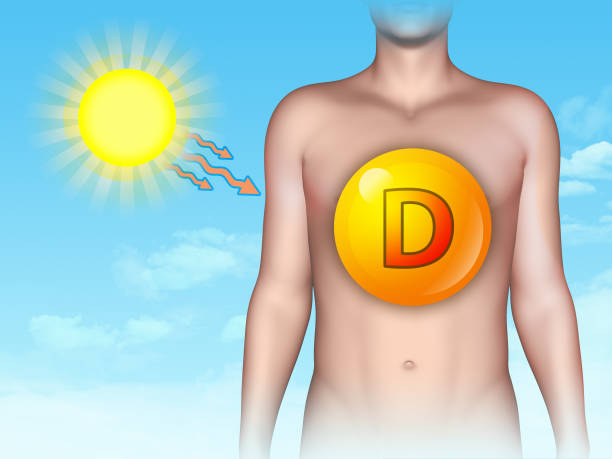
Vitamin D is often called the “sunshine vitamin” because our body makes it when sunlight touches our skin. It is one of the most talked-about nutrients today. Doctors, fitness trainers, and even social media influencers recommend it for strong bones, better immunity, and overall health. In India and many other countries, vitamin D deficiency is very common because people spend more time indoors, use sunscreen, or live in polluted cities where sunlight is blocked.
But here’s the catch: while vitamin D is essential, too much of it can be harmful. Unlike water-soluble vitamins (like vitamin C), which leave the body through urine, vitamin D is fat-soluble. This means it stays stored in your body for a long time. If you keep taking high doses, it can build up to dangerous levels.
Section 1: Why Vitamin D Is Important
Vitamin D plays many roles in the body:
- Bone health: It helps absorb calcium and phosphorus, which are needed for strong bones and teeth.
- Immunity: It supports the immune system, helping fight infections.
- Mood and mental health: Low vitamin D levels are linked to depression and fatigue.
- Inflammation control: It reduces inflammation, which is linked to chronic diseases.
Without enough vitamin D, children can develop rickets (soft bones), and adults may suffer from osteoporosis (weak bones).
Section 2: Why Deficiency Is Common
Even in sunny countries like India, deficiency is widespread. Reasons include:
- Spending most of the day indoors.
- Wearing clothes that cover most of the body.
- Using sunscreen regularly.
- Pollution blocking sunlight.
- Poor diet lacking vitamin D-rich foods (like fatty fish, eggs, fortified milk).
Section 3: Safe Intake Levels
Doctors recommend:
- 600–800 IU per day for most adults.
- Maximum safe limit: 4000 IU per day.
But many supplements sold online or in pharmacies contain 5000–10,000 IU per capsule. People often take these without medical advice, thinking “more is better.” This is where the danger begins.
Section 4: What Happens When You Take Too Much
Excess vitamin D leads to hypercalcemia — too much calcium in the blood. This can:
- Damage the kidneys.
- Cause calcium deposits in soft tissues.
- Weaken bones instead of strengthening them.
- Lead to heart problems.
Section 5: Warning Signs of Overdose
The symptoms are slow and subtle. Watch out for:
- Nausea and vomiting.
- Loss of appetite.
- Constant thirst.
- Frequent urination.
- Fatigue and weakness.
- Muscle pain.
- Unexplained weight loss.
If ignored, these can progress to kidney failure or heart issues.
Section 6: Real-Life Example
Doctors reported a case where a man took 150,000 IU daily for months. He ended up in the hospital with kidney failure. This shows how dangerous self-medication can be.
Section 7: Balancing Sunlight, Diet, and Supplements
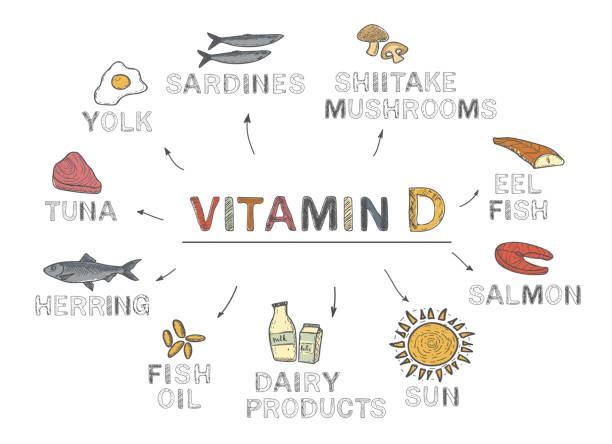
- Sunlight: 15–30 minutes of morning sun exposure is usually enough.
- Diet: Include eggs, mushrooms, fortified milk, and fish.
- Supplements: Only take them if prescribed by a doctor.
Section 8: Practical Checklist for Readers
Here’s a quick guide:
- Get your vitamin D levels tested before starting supplements.
- Stick to recommended doses.
- Watch for early warning signs.
- Balance sunlight, diet, and supplements.
- Consult a doctor if you feel unwell.
Conclusion
Vitamin D is vital for health, but too much can be toxic. Supplements should never replace medical advice. The safest way is to balance sunlight, food, and prescribed doses. Remember: health is about balance, not extremes.
more inform:- https://newmobilephoneunder25k.de