
Gond Katira: 7 Reasons Why the Natural Coolant is Good for Your Gut:-

Aaj ke fast-paced lifestyle mein gut health ek bahut bada concern ban gaya hai. Junk food, stress, irregular sleep aur processed drinks ne digestion ko weak kar diya hai. India mein 80% log acidity ya heartburn feel karte hain, aur lagbhag 40% log daily is problem se joojhte hain.

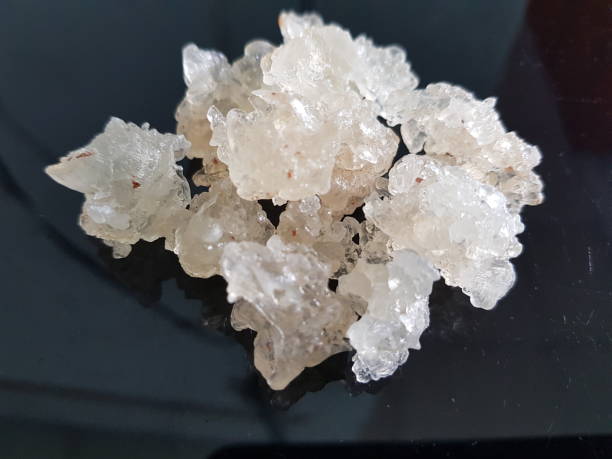
Issi backdrop mein ek natural, traditional aur powerful remedy hai – Gond Katira (Tragacanth Gum). Ye ek cooling agent hai jo hamare ancestors se leke aaj tak summer mein use hota aa raha hai. Lekin iske benefits sirf cooling tak limited nahi hain – ye gut health, hydration, metabolism aur liver detoxification tak mein madad karta hai.

1. Prebiotic Effect – Good Bacteria ka Dost

Gut health ka foundation hota hai good bacteria jaise bifidobacteria aur lactobacillus. Gond Katira ek natural prebiotic hai jo in bacteria ko nourish karta hai.

  • Ye gut microbiome ko balance karta hai.
  • Digestion smooth hota hai aur immunity strong hoti hai.
  • Regular use se bloating aur indigestion kam hota hai.

Isse ek natural probiotic drink ke saath combine karna aur bhi powerful ho sakta hai.

2. Gentle Laxative – Constipation se Relief

Constipation ek common problem hai, especially urban lifestyle mein. Gond Katira soluble fibre se rich hai jo stool ko soft banata hai aur bowel movement easy karta hai.

  • Ye ek gentle laxative hai – harsh nahi hota jaise chemical laxatives.
  • Elderly aur children ke liye safe hai.
  • Regular hydration ke saath use karne par constipation naturally cure hota hai.

3. Gastritis aur GERD mein Soothing Effect

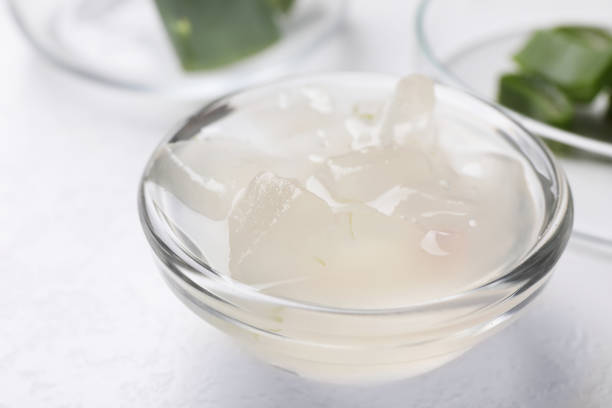
Acidity aur reflux ke patients ke liye Gond Katira ek blessing hai. Jab ye water mein soak hota hai, to ek gel-like substance banata hai jo stomach lining ko coat karta hai.

  • Acid attack se protection milti hai.
  • Burning sensation aur pain kam hota hai.
  • Long-term use se GERD ke symptoms reduce hote hain.

4. Satiety aur Metabolism Support

Weight management aur sugar control ke liye Gond Katira ek smart choice hai.

  • Ye gastric emptying delay karta hai, jisse longer satiety feel hoti hai.
  • Overeating aur cravings kam hoti hain.
  • Blood sugar spikes control hote hain, jo diabetic patients ke liye helpful hai.

5. Hydration Balance – Summer ka Saviour

Summer mein dehydration aur electrolyte imbalance common hai. Gond Katira ek natural coolant hai jo cells mein moisture retain karta hai.

  • Heatstroke aur fatigue se protection deta hai.
  • Body ko internally cool rakhta hai.
  • Athletes aur outdoor workers ke liye perfect drink hai.

6. Liver-Gut Axis Detoxification

Liver aur gut ek doosre se closely connected hain. Gond Katira toxins ko flush karne mein madad karta hai aur liver strain reduce karta hai.

  • Ye ek natural detox agent hai.
  • Skin glow improve hota hai.
  • Long-term use se metabolic health better hoti hai.

7. Trace Minerals – Calcium & Magnesium Boost

Gond Katira mein natural calcium aur magnesium hote hain jo bones aur muscles ke liye zaroori hain.

  • Ye minerals bioavailable form mein hote hain.
  • Bone strength aur muscle relaxation mein madad karte hain.
  • Elderly aur growing children ke liye beneficial hai.

️ Side Effects & Precautions

Har natural remedy ke kuch precautions hote hain, aur Gond Katira bhi isse alag nahi hai.

  • Dry consume na karein – ye instantly swell karta hai aur choking hazard ban sakta hai.
  • Hydration zaroori hai – daily 2–3 litres paani ke bina use karna bowel obstruction cause kar sakta hai.
  • Sensitive gut – IBS patients ko bloating ya gas ho sakti hai.
  • Medication gap – oral medicines ke absorption ko slow karta hai, isliye 2-hour gap maintain karein.

Gond Katira Recipes (Easy & Healthy)

1. Gond Katira Summer Drink

  • Soak Gond Katira overnight.
  • Morning mein swollen gel ko paani, lemon aur honey ke saath mix karein.
  • Ek refreshing coolant ready hai.

2. Gond Katira Falooda

  • Soaked Gond Katira ko milk aur rose syrup ke saath serve karein.
  • Ice cubes add karke ek perfect summer dessert ban jata hai.

3. Gond Katira Detox Water

  • Gond Katira + cucumber slices + mint leaves + chilled water.
  • Ek natural detox drink jo liver aur gut ko cleanse karta hai.

Bottom Line

Gond Katira ek ancient superfood hai jo gut health, hydration aur metabolism ke liye natural solution provide karta hai. Synthetic coolants aur sugary drinks ke comparison mein ye safe, effective aur holistic hai.
Agar aap apni gut health improve karna chahte hain aur summer mein ek natural coolant dhoondh rahe hain, to Gond Katira ko apni daily routine mein zaroor include karein.

“Smell Free Onion Juice Remedy for Hair Growth”

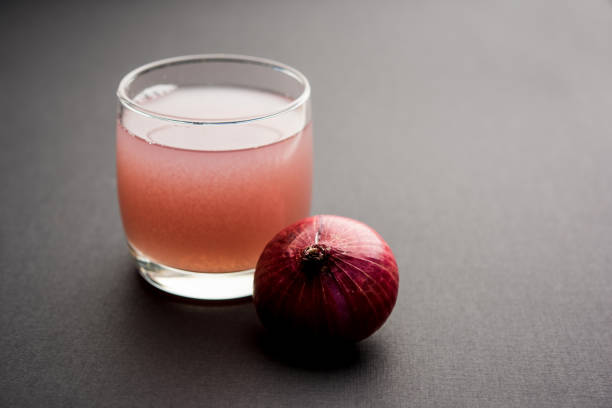
Hair fall aur thinning aaj kal har age group ka common problem ban gaya hai. Market mein hazaaron shampoos, oils aur treatments available hain, but ek ghar ka nuskha jo sabse zyada viral hai – Onion Juice. Lekin iska smell logon ko irritate karta hai. Is blog mein hum detail mein samjhenge ki onion juice ko kaise use karein taaki hair growth bhi ho aur smell bhi manageable ho.

Onion Juice Benefits for Hair Growth

Sulfur Rich: Onion juice mein sulfur hota hai jo keratin production ko boost karta hai.

Blood Circulation Improve: Scalp pe lagane se blood flow better hota hai.

Antibacterial Properties: Dandruff aur scalp infections ko reduce karta hai.

Hair Strengthening: Roots ko strong banata hai aur breakage kam hota hai.

Natural Shine: Regular use se baalon mein natural shine aati hai.

Onion Juice Smell Problem

  • Strong pungent odor jo wash ke baad bhi reh jaata hai.
  • Social awkwardness – logon ko lagta hai ki scalp se smell aa rahi hai.
  • Sensitive scalp pe irritation ho sakti hai.

Natural Mixes to Reduce Smell

  1. Aloe Vera Gel + Onion Juice – soothing + shine.
  2. Coconut Oil + Onion Juice – nourishment + mild fragrance.
  3. Lemon Juice + Onion Juice – dandruff control + freshness.
  4. Rose Water Mix – natural fragrance.
  5. Essential Oils (Lavender/Tea Tree) – smell mask + scalp health.

Step‑by‑Step Application Method

  1. Onion ko grind karke juice nikal lo.
  2. Cotton pad/dropper se scalp pe apply karo.
  3. 20–30 minutes ke liye leave karo.
  4. Mild herbal shampoo se wash karo.
  5. Conditioner optional hai.

Washing Tips

  • Use sulfate‑free shampoo.
  • Rinse with lukewarm water.
  • Last rinse mein thoda lemon water use karo smell reduce karne ke liye.
  • Dry gently, avoid harsh towel rubbing.

DIY Onion Hair Masks

  • Onion + Honey Mask – shine aur softness ke liye.
  • Onion + Yogurt Mask – dandruff control ke liye.
  • Onion + Olive Oil Mask – nourishment ke liye.
  • Onion + Fenugreek Seeds – hair fall control ke liye.

Science Behind Onion Juice

  • Sulfur amino acids jaise cysteine aur methionine keratin ke building blocks hote hain.
  • Onion juice scalp mein collagen production ko bhi stimulate karta hai.
  • Antioxidants free radicals ko fight karte hain jo hair aging aur greying ka cause hote hain.

FAQs

  • Daily use kar sakte hain? – Nahi, 2–3 times per week best hai.
  • Kids ke liye safe hai? – Mild dilution ke saath use kar sakte ho.
  • Pregnancy mein use karna safe hai? – Doctor consult zaroor karo.
  • Smell permanently remove ho sakta hai? – Mixes aur proper wash se manageable hai.

Myth Busting

  • Myth: Onion juice se turant hair grow ho jaata hai.
  • Fact: Consistency aur patience zaroori hai.
  • Myth: Smell kabhi nahi jaata.
  • Fact: Proper wash aur mixes se smell reduce ho jaata hai.

Conclusion

Natural remedies patience maangte hain, but results long‑lasting hote hain. Agar aap regular onion juice use karte ho aur smart hacks apply karte ho, toh aapke baal strong, shiny aur healthy banenge – aur smell ki tension bhi khatam ho jaayegi.

“Why Snow Shovelling Could Trigger a Heart Attack in Minutes”

Winter brings beauty, but also challenges. One of the most common tasks during snowy months is shovelling snow. While it may look like a simple chore, cardiologists warn that it can be dangerous for your heart. In fact, heart attacks triggered by snow shovelling often happen within the first 10–15 minutes.

why snow shovelling is risky, what science says, and how you can stay safe.

Why Snow Shovelling Is Risky

  • Sudden exertion: Most people are not physically prepared for the intense effort of lifting heavy, wet snow.
  • Cold weather impact: Low temperatures cause blood vessels to narrow, increasing blood pressure.
  • Breath-holding strain: Many people hold their breath while lifting, which spikes pressure inside the chest.
  • Rapid heart stress: The combination of cold, exertion, and strain can overwhelm the heart quickly.

The Science Behind Heart Strain

Doctors explain that snow shovelling is not like regular exercise. Unlike jogging or walking, it involves:

  • Short bursts of heavy lifting.
  • Twisting and bending movements.
  • Sudden spikes in blood pressure.
  • Reduced oxygen intake due to breath-holding.

This makes it more similar to weightlifting under extreme conditions — something most people’s bodies are not trained for.

Who Is Most at Risk

  • People with existing heart disease.
  • Those with high blood pressure or cholesterol.
  • Smokers and diabetics.
  • Individuals who are usually inactive but suddenly shovel snow.
  • Men over 40, especially those who treat shovelling like a workout challenge.

Warning Signs to Watch For

If you feel any of these while shovelling, stop immediately:

  • Chest pain or tightness.
  • Shortness of breath.
  • Dizziness or lightheadedness.
  • Pain spreading to arms, neck, or jaw.
  • Sudden sweating or nausea.

Safe Snow Shovelling Tips

  • Warm up first: Stretch or walk for a few minutes before starting.
  • Dress warmly: Keep your body insulated to reduce vessel constriction.
  • Push, don’t lift: Slide snow instead of lifting heavy piles.
  • Take breaks: Rest every few minutes, especially in the first 10 minutes.
  • Stay hydrated: Cold weather can still dehydrate you.
  • Listen to your body: Stop if you feel discomfort.

Alternatives to Shovelling

  • Use a snow blower if possible.
  • Ask for help from younger or fitter family members.
  • Hire local services for heavy snowfalls.
  • Spread salt or sand to reduce the need for constant clearing.

A Cardiologist’s Advice

Dr. Dmitry Yaranov emphasizes:

  • Don’t treat snow shovelling like a gym workout.
  • Avoid rushing or competing with yourself.
  • The first 10 minutes are the most dangerous — pace yourself.
  • Focus on safety, not speed.

Lifestyle Choices That Protect Your Heart Year-Round

  • Regular moderate exercise (walking, cycling, swimming).
  • Balanced diet rich in fruits, vegetables, and whole grains.
  • Avoid smoking and limit alcohol.
  • Manage stress through meditation or yoga.
  • Regular health check-ups to monitor blood pressure and cholesterol.

Conclusion

Snow shovelling may look harmless, but it can be one of the most dangerous winter chores for your heart. Treat it carefully, pace yourself, and remember: protecting your health is more important than clearing the driveway quickly. Winter safety is not about strength — it’s about smart choices.

“Low Haemoglobin? Yeh 6 Superfoods Banayenge Blood Strong”

Aajkal lifestyle aur khane ki habits ke wajah se low haemoglobin ek common problem ban gayi hai. Haemoglobin blood ka ek important protein hai jo oxygen ko body ke har cell tak le jaata hai. Agar levels kam ho jaaye, toh fatigue, weakness, pale skin aur shortness of breath jaise symptoms dikhne lagte hain.

haemoglobin kya hai, kyun zaroori hai, aur kaise aap apne diet ke through naturally isse boost kar sakte ho.

Haemoglobin Kya Hai?

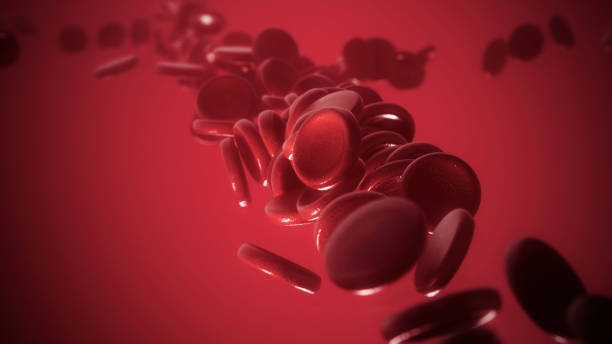
  • Haemoglobin ek iron-rich protein hai jo red blood cells mein hota hai.
  • Iska kaam hai oxygen ko lungs se body ke tissues tak le jaana aur carbon dioxide ko wapas lungs tak laana.
  • Healthy haemoglobin levels se energy, immunity aur overall vitality maintain hoti hai.

Symptoms of Low Haemoglobin

  • Constant thakan (fatigue)
  • Pale skin aur lips
  • Shortness of breath
  • Frequent headaches
  • Weak immunity

Agar aapko yeh symptoms lagatar feel ho rahe hain, toh ek CBC test karwana zaroori hai.

Causes of Low Haemoglobin

  • Iron deficiency
  • Vitamin B12 deficiency
  • Folate deficiency
  • Chronic diseases
  • Poor diet habits

6 Diet Tips to Boost Haemoglobin Naturally

1. Iron-Rich Foods Include Karein

Iron haemoglobin banane ke liye sabse zaroori nutrient hai.

  • Green leafy vegetables: Palak, methi, bathua
  • Legumes: Rajma, chana, masoor dal
  • Nuts & seeds: Pumpkin seeds, sesame seeds
  • Animal sources: Red meat, chicken liver

Pro Tip: Iron ko absorb karne ke liye vitamin C-rich foods ke saath khayein.

2. Vitamin C for Better Absorption

Vitamin C iron absorption ko boost karta hai.

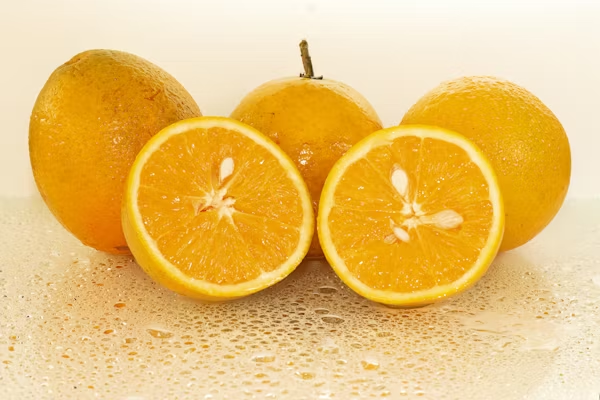
  • Citrus fruits: Orange, lemon, amla
  • Guava, kiwi, papaya
  • Tomatoes, capsicum

Ek glass nimbu paani ke saath iron-rich khana lena haemoglobin levels ko fast improve karta hai.

3. Folate (Vitamin B9) Include Karein

Folate red blood cell production ke liye zaroori hai.

  • Green leafy veggies
  • Beetroot
  • Avocado
  • Pulses

4. Vitamin B12 Sources

Vitamin B12 deficiency se anaemia ho sakta hai.

  • Eggs
  • Dairy products
  • Fish
  • Fortified cereals

Vegetarians ke liye fortified foods ek best option hai.

5. Avoid Junk & Processed Foods

  • Excess tea/coffee iron absorption ko block karte hain.
  • Packaged snacks aur sugary drinks haemoglobin ko improve nahi karte.
  • Natural, home-cooked food best hai.

6. Hydration & Lifestyle

  • Adequate water intake blood circulation ko improve karta hai.
  • Regular exercise oxygen supply ko better banata hai.
  • Stress management bhi zaroori hai.

Sample Diet Plan for Boosting Haemoglobin

TimeFood Suggestion
MorningNimbu paani + soaked almonds
BreakfastPalak paratha + curd
Mid-morningGuava / Orange
LunchRajma chawal + salad
EveningBeetroot juice + sprouts
DinnerDal + roti + green sabzi
BedtimeWarm milk
  • “Healthy blood, healthy life – start with your plate!”
  • “Iron se strong, Vitamin C se absorb – that’s the formula!”
  • “Apni thakan ko diet se door bhagao, haemoglobin ko naturally boost karo.”

Conclusion

Low haemoglobin ek serious issue hai, lekin diet aur lifestyle changes se naturally improve kiya jaa sakta hai. Iron, Vitamin C, B12 aur folate-rich foods ko apne daily meals mein include karke aap apne energy levels aur immunity ko boost kar sakte ho.

“Vision Mein Spots? Chill Ya Check‑Up — Doctor Ki Advice”

Kabhi aapko aisa feel hua hai ki aankhon ke saamne chhote‑chhote dots, rings ya squiggly lines float kar rahe hain? Yehi hoti hain eye floaters. Bohot log inhe ignore kar dete hain, par doctors kehte hain ki kabhi‑kabhi ye ek serious signal bhi ho sakta hai.

Floaters kya hote hain, kyun hote hain, kab harmless hote hain aur kab doctor ko turant consult karna chahiye.

Eye Floaters Kya Hote Hain?

  • Floaters chhoti‑chhoti shapes hoti hain jo vision mein move karti hain.
  • Ye dots, rings, cobweb‑like patterns ya squiggly lines ke form mein dikh sakti hain.
  • Jab aap bright background (jaise blue sky ya white wall) dekhte ho, tab ye zyada noticeable hoti hain.

Causes of Floaters

  • Ageing Process: Jaise‑jaise age badhti hai, aankh ke andar ka vitreous gel thin aur watery ho jaata hai. Isse collagen fibers clump ho jaate hain aur shadow create karte hain.
  • Posterior Vitreous Detachment (PVD): Ye ek common condition hai jisme vitreous retina se detach ho jaata hai.
  • Eye Injury or Surgery: Kabhi‑kabhi trauma ya surgery ke baad bhi floaters develop ho sakte hain.
  • Other Eye Conditions: Rare cases mein floaters retinal tear ya detachment ka early sign bhi ho sakte hain.

Harmless vs. Serious Floaters

TypeHarmlessSerious
AppearanceFew dots or squigglesSudden shower of floaters
FrequencyStable, no sudden increaseRapid increase in number
Associated SymptomsNo pain, no flashesFlashes of light, curtain‑like shadow
RiskNormal ageingRetinal tear/detachment

Kab Doctor Ko Consult Karna Chahiye?

  • Agar suddenly bohot saare floaters dikhne lag jaayein.
  • Agar flashes of light saath mein appear ho rahe ho.
  • Agar vision mein curtain ya shadow descend ho raha ho.
  • Agar blurred vision ya eye pain ho.
  • Agar floaters surgery ya injury ke baad aaye ho.

Ye sab emergency signs hain jo retinal detachment ki taraf indicate karte hain. Retinal detachment rare hai, par agar treat na kiya jaaye toh permanent vision loss ho sakta hai.

Doctors Ki Advice

  • Opticians aur ophthalmologists kehte hain ki sudden changes ko kabhi ignore nahi karna chahiye.
  • Regular eye check‑ups important hain, especially agar aap 40+ age group mein ho.
  • Retinal detachment UK mein har saal approx 1 in 10,000 logon ko hota hai, par timely treatment se vision save ho sakta hai.

Floaters Ko Manage Kaise Karein?

  • Stay Calm: Agar floaters purane hain aur stable hain, toh usually harmless hote hain.
  • Healthy Lifestyle: Balanced diet, hydration aur regular exercise se eye health improve hoti hai.
  • Protect Eyes: Sunglasses pehno, screen time limit karo, aur proper lighting mein kaam karo.
  • Regular Check‑ups: Yearly eye exam karna zaroori hai.

“Steaming Broccoli: The Healthiest Way to Enjoy This Superfood:-“

Myths vs. Facts

MythFact
Floaters hamesha dangerous hote hainMost floaters harmless hote hain
Floaters ko treat karna zaroori haiSirf serious cases mein treatment chahiye
Floaters exercise se khatam ho jaate hainExercise eye health improve karti hai, par floaters vanish nahi hote
Floaters sirf old age mein hote hainYoung adults mein bhi ho sakte hain, especially injury ke baad

Treatment Options

  • Observation: Harmless floaters ke liye koi treatment nahi hota, brain naturally ignore karna seekh jaata hai.
  • Laser Therapy: Rare cases mein floaters ko break karne ke liye laser use hota hai.
  • Vitrectomy: Severe cases mein vitreous gel remove karke replace kiya jaata hai. Ye risky hai, isliye sirf extreme cases mein recommend hota hai.

Conclusion

Eye floaters ek common condition hai jo mostly harmless hoti hai. Lekin agar sudden changes, flashes of light ya curtain‑like shadow appear ho, toh turant doctor ko consult karna chahiye. Early diagnosis aur treatment se permanent vision loss prevent kiya jaa sakta hai.

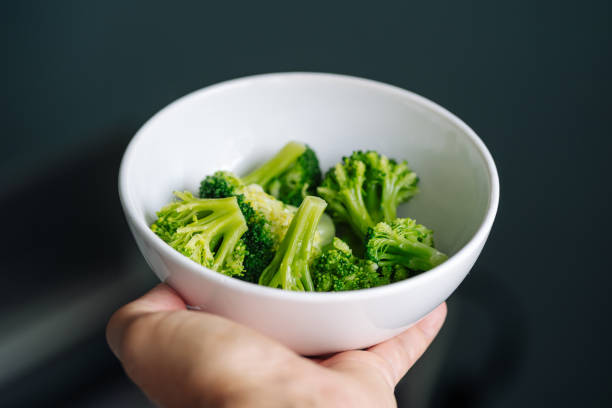
Steaming Broccoli: The Healthiest Way to Enjoy This Superfood:-

Broccoli is often called a “superfood” because of its rich nutrient profile and powerful health benefits. But did you know that the way you cook broccoli can make a huge difference in how much nutrition your body actually gets? Among all cooking methods—boiling, roasting, stir‑frying—steaming stands out as the best way to preserve broccoli’s nutrients. In this blog, we’ll explore why steaming is superior, what nutrients broccoli offers, how steaming impacts them, and practical tips for making broccoli delicious and healthy.

Why Broccoli Is a Superfood

Broccoli belongs to the cruciferous vegetable family, which also includes cauliflower, kale, and cabbage. It is packed with:

  • Vitamin C – boosts immunity and skin health.
  • Vitamin K – supports bone strength and blood clotting.
  • Folate – essential for cell growth and repair.
  • Potassium – helps regulate blood pressure.
  • Fiber – improves digestion and controls blood sugar.
  • Glucosinolates – plant compounds linked to cancer prevention.
  • Sulforaphane – a powerful antioxidant that supports detoxification.

These nutrients make broccoli a powerhouse for overall wellness. But cooking can either protect or destroy them.

How Cooking Affects Nutrients

Cooking changes the chemical structure of vitamins and plant compounds. Heat, water, and time are the three main factors:

  • Heat can break down sensitive vitamins like vitamin C.
  • Water can leach nutrients out of vegetables when boiling.
  • Time matters because longer cooking means more nutrient loss.

That’s why steaming is considered the most balanced method—it uses gentle heat, minimal water, and short cooking time.

Steaming vs. Other Cooking Methods

AspectSteamingBoilingRoasting
Vitamin C retentionHighLowModerate
GlucosinolatesHighLowModerate
SulforaphanePreservedDestroyedPartially preserved
Water exposureMinimalExtensiveNone
Heat intensityModerateHighHigh
Colour retentionBright greenDullGolden brown
Added fatNoneNoneUsually yes
Overall nutritionHighestLowestModerate

Conclusion: Steaming clearly wins when it comes to nutrient preservation.

Health Benefits of Steamed Broccoli

1. Stronger Immunity

Vitamin C in steamed broccoli helps fight infections, supports wound healing, and keeps skin healthy.

2. Cancer Prevention Potential

Glucosinolates and sulforaphane are linked to reduced risk of certain cancers. Steaming preserves these compounds better than boiling.

3. Heart Health

Potassium and fiber in broccoli help regulate blood pressure and cholesterol. Steaming keeps these nutrients intact.

4. Better Digestion

Fiber supports gut health, prevents constipation, and balances blood sugar. Steaming softens broccoli without destroying fiber.

5. Anti‑Inflammatory Effects

Broccoli contains antioxidants that reduce inflammation. Steaming protects these compounds, making broccoli a natural anti‑inflammatory food.

Practical Tips for Steaming Broccoli

  • Cut evenly: Slice florets into similar sizes so they cook uniformly.
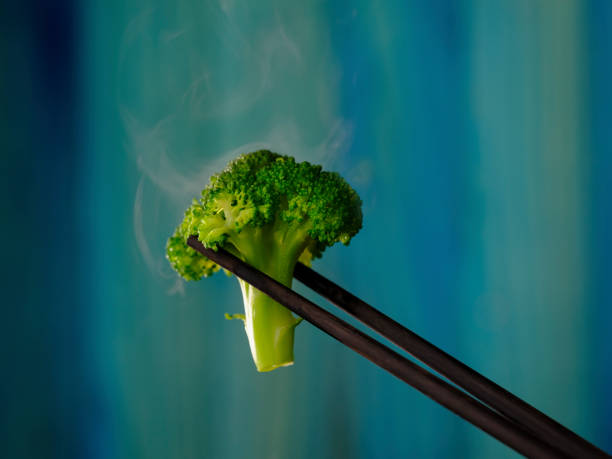
  • Use a steamer basket: Place broccoli above boiling water, not in it.
  • Keep lid closed: This traps steam and cooks broccoli quickly.
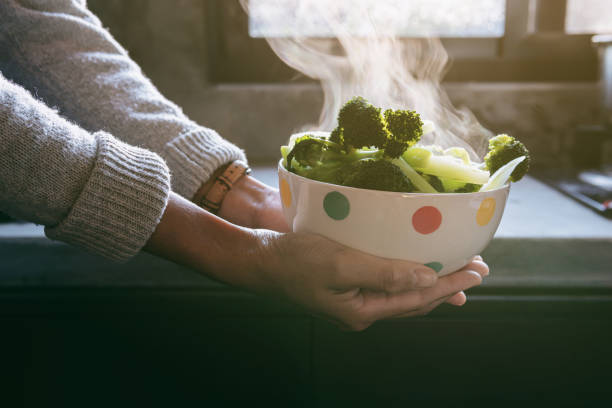
  • Cook for 5–7 minutes: Stop when broccoli is bright green and tender‑crisp.
  • Serve immediately: Nutrients degrade if broccoli sits too long after cooking.
  • Add flavor naturally: Use lemon juice, garlic, or herbs instead of heavy sauces.

Delicious Ways to Enjoy Steamed Broccoli

  • Simple side dish: Toss with olive oil, lemon, and pepper.
  • Broccoli salad: Mix steamed broccoli with cherry tomatoes, onions, and light dressing.
  • Stir‑fry base: Add steamed broccoli to noodles or rice for extra nutrition.
  • Soup booster: Blend steamed broccoli into creamy soups for added fiber.
  • Healthy snack: Sprinkle steamed florets with chili flakes for a spicy bite.

Common Mistakes to Avoid

  • Overcooking: Leads to mushy texture and nutrient loss.
  • Adding too much water: Causes leaching of vitamins.
  • Using high heat: Breaks down delicate compounds.
  • Skipping seasoning: Makes broccoli bland and less appealing.

Broccoli in Daily Diet

Nutritionists recommend including broccoli 3–4 times a week. Steaming makes it easy to prepare quickly and keeps meals light yet nutrient‑dense.

Conclusion

Steaming broccoli is more than just a cooking method—it’s a way to maximize health benefits while keeping food tasty and vibrant. By steaming, you preserve vitamin C, glucosinolates, sulforaphane, and fiber, all of which contribute to immunity, heart health, cancer prevention, and digestion.

So next time you prepare broccoli, remember: steam it, don’t boil it. Your body will thank you for the extra nutrition, and your taste buds will enjoy the fresh, crisp flavor.

“Nipah Virus Ki Warning Bell – Symptoms, Spread Aur Prevention”

Aaj ke time mein health news humein baar‑baar yaad dilati hai ki viruses kitne unpredictable hote hain. Recently ek nurse Nipah virus se succumb kar gayi, aur isne ek baar phir se sabko alert kar diya hai. Ye incident humein dikhata hai ki Nipah virus sirf ek medical term nahi hai, balki ek real threat hai jo human lives ko directly impact karta hai.

  • Nipah virus kya hai
  • Symptoms kaise dikhte hain
  • Transmission risk kitna dangerous hai
  • Prevention aur awareness kyun zaroori hai
  • Aur hum apni daily life mein kya steps le sakte hain

Nipah Virus Kya Hai?

  • Nipah virus (NiV) ek zoonotic virus hai – matlab animals se humans tak aa sakta hai.
  • First time ye 1998 mein Malaysia mein identify hua tha.
  • Natural carriers: Fruit bats (Pteropus species), jinhe flying foxes bhi kehte hain.
  • India aur Bangladesh mein iske outbreaks baar‑baar report hue hain.

Ye virus dangerous isliye hai kyunki iska mortality rate 40–75% tak ho sakta hai, jo bahut high hai compared to other viral infections.

️ Symptoms Jo Dhyaan Rakhne Chahiye

Nipah virus ke symptoms mild se lekar severe tak ho sakte hain. Usually 4–14 din ke andar appear hote hain:

  • High fever
  • Severe headache
  • Muscle pain
  • Vomiting aur sore throat
  • Dizziness aur drowsiness

Agar condition worsen ho jaaye to:

  • Acute respiratory distress
  • Encephalitis (brain inflammation)
  • Seizures
  • Altered consciousness ya coma

Survivors ko bhi long‑term neurological problems ho sakte hain.

️ Human Transmission Risk

Sabse bada concern ye hai ki Nipah virus human‑to‑human spread kar sakta hai.

Transmission ke modes:

  • Respiratory droplets
  • Direct contact with blood/body fluids
  • Contaminated medical equipment
  • Close contact with infected patients

Isliye healthcare workers jaise nurses aur doctors sabse zyada vulnerable hote hain agar infection control protocols strictly follow na kiye jaayein.

Why It’s So Dangerous

  • No specific antiviral treatment available.
  • No approved vaccine abhi tak.
  • Sirf supportive care possible hai – jaise ventilator support, breathing management, neurological complication control.
  • Outbreaks rapid ho sakte hain agar early detection aur isolation na ho.

Real‑Life Incident (West Bengal Case)

Ek 25‑year‑old nurse Nipah virus se infected hui aur ventilator par thi. Unfortunately, wo recover nahi kar paayi. Ye incident ek reminder hai ki frontline healthcare workers kitne risk mein hote hain.

Dusra nurse jo infected tha, wo recover kar gaya – iska matlab hai ki timely care aur body response difference create kar sakte hain.

️ Prevention Aur Awareness

Kyuki cure abhi available nahi hai, prevention hi sabse bada weapon hai.

Preventive Steps:

  • Avoid raw date palm sap (jo bats contaminate kar sakte hain).
  • Strict hygiene practices.
  • PPE (personal protective equipment) use karein healthcare settings mein.
  • Patient isolation aur contact tracing zaroori hai.
  • Community awareness campaigns – logon ko symptoms aur risks ke baare mein educate karna.

Daily Life Mein Kya Kar Sakte Hain

  • Hand hygiene: Regular hand wash aur sanitizer use.
  • Food safety: Fruits properly wash karo, raw palm sap avoid karo.
  • Mask aur distancing: Outbreak areas mein extra caution.
  • Report symptoms early: Agar fever + headache + respiratory distress ho, turant doctor ko inform karo.

Awareness:

  • “Nipah virus ko lightly mat lo – prevention hi protection hai.”
  • “Bats se shuru hota hai, lekin careless humans se spread hota hai.”
  • “Healthcare workers ko protect karna sabki responsibility hai.”
  • “No cure, no vaccine – sirf awareness hi shield hai.”

Connecting Ancient Wisdom

Interesting baat ye hai ki humari ancient texts jaise Ayurveda aur Gita bhi hamesha ek cheez kehte hain – balance aur awareness. Nipah virus ke context mein bhi ye apply hota hai:

  • Awareness = Protection
  • Balance = Immunity strong rakhna
  • Compassion = Healthcare workers ko support karna

Global Perspective

WHO aur international health bodies Nipah ko ek priority pathogen mante hain kyunki iska pandemic potential high hai. Vaccine candidates develop ho rahe hain, lekin abhi tak widely available nahi hain.

Conclusion

Nipah virus ek silent but deadly threat hai. Ek nurse ki death humein remind karti hai ki frontline workers kitne vulnerable hote hain aur hum sabko apna role play karna chahiye.

  • Symptoms ko ignore mat karo.
  • Prevention ko priority banao.
  • Awareness spread karo.

“Health ek collective responsibility hai. Agar hum sab cautious rahenge, to Nipah jaise viruses ko stop karna possible hai.”

“7 Ancient Foods That Naturally Balance Blood Sugar”

Blood sugar balance is one of the most important aspects of good health. When our glucose levels rise too quickly after meals, we often feel tired, hungry again, or even irritable. Over time, repeated spikes can lead to insulin resistance, type 2 diabetes, and other metabolic problems.

Modern diets filled with refined sugar, white flour, and processed snacks make this problem worse. But the good news is that nature has always provided us with foods that help keep blood sugar steady. Many of these foods have been used for centuries in traditional diets and healing practices. They are rich in fiber, antioxidants, and natural compounds that slow down sugar absorption and improve insulin sensitivity.

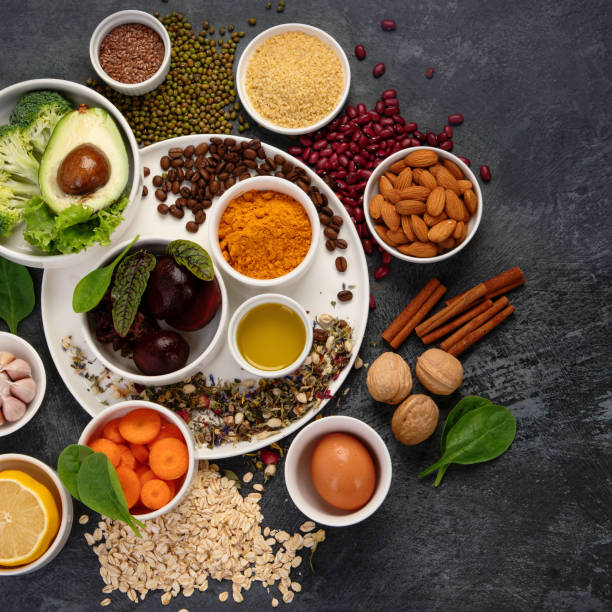
The seven ancient foods that can naturally stabilize blood sugar are

1. Barley

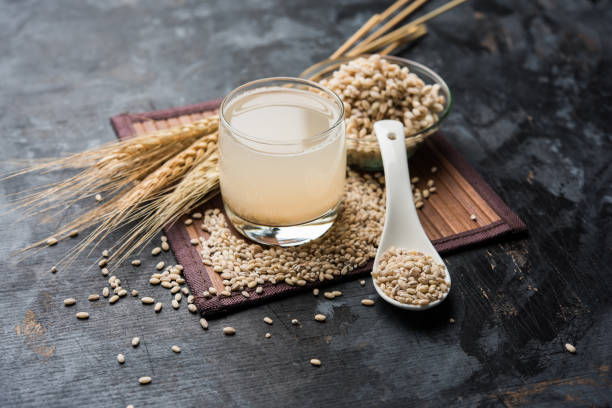
Barley is one of the oldest cultivated grains, dating back to ancient Egypt and Mesopotamia. Unlike refined grains, barley is rich in beta-glucan fiber, which slows glucose absorption.

Benefits:

  • Keeps you full for longer.
  • Reduces cholesterol along with blood sugar.
  • Provides steady energy throughout the day.

How to Use:

  • Replace rice with barley in soups or salads.
  • Use barley flour in bread or rotis.
  • Try barley water, a traditional cooling drink in many cultures.

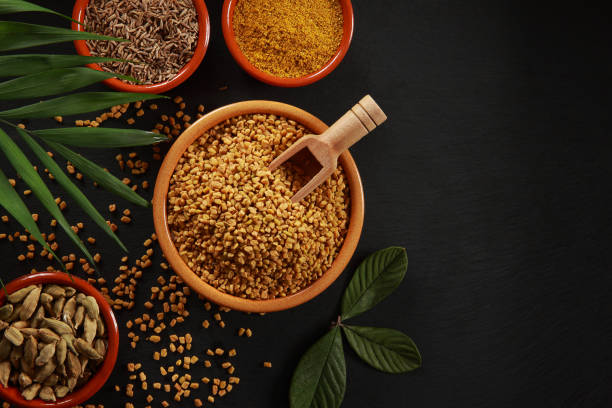
2. Fenugreek Seeds

Fenugreek has been used in Indian, Middle Eastern, and Mediterranean cooking for thousands of years. The seeds are slightly bitter but packed with soluble fiber, which slows down carbohydrate digestion.

Benefits:

  • Helps reduce post-meal sugar spikes.
  • Improves insulin sensitivity.
  • Supports digestion and appetite control.

How to Use:

  • Soak fenugreek seeds overnight and eat them in the morning.
  • Add powdered fenugreek to curries, dals, or bread dough.
  • Drink fenugreek tea for a mild, earthy flavor

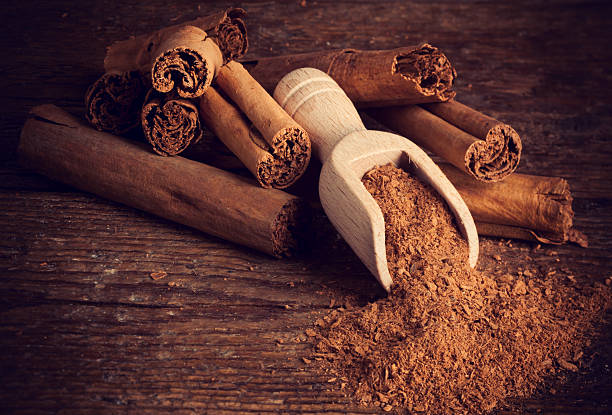
3. Cinnamon

Cinnamon has been treasured since ancient times, even considered more valuable than gold in some eras. Beyond its aroma, cinnamon contains compounds that mimic insulin and improve glucose uptake by cells.

prhealthhub.com

Benefits:

  • Lowers fasting blood sugar.
  • Improves insulin function.
  • Adds natural sweetness without sugar.

How to Use:

  • Sprinkle cinnamon on oatmeal, smoothies, or yogurt.
  • Add to tea or coffee for flavor.
  • Use in baking instead of sugar-heavy flavorings.

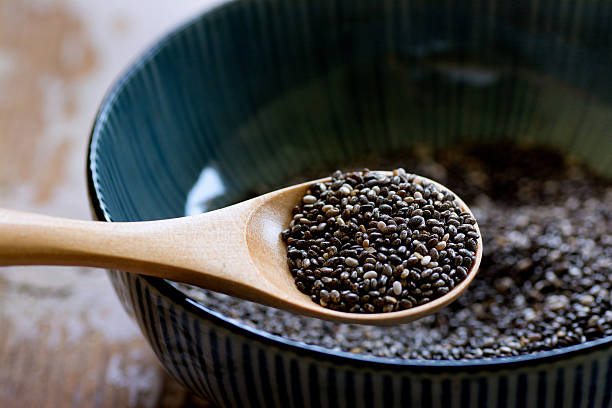
4. Chia Seeds

Though small, chia seeds were a staple food of the Aztecs and Mayans. They absorb water and form a gel-like texture, slowing digestion and stabilizing blood sugar.

Benefits:

  • Rich in fiber and omega-3 fatty acids.
  • Keeps you full and reduces cravings.
  • Supports heart and gut health.

How to Use:

  • Make chia pudding with milk or plant-based alternatives.
  • Add to smoothies, salads, or baked goods.
  • Sprinkle on fruit bowls for extra crunch.

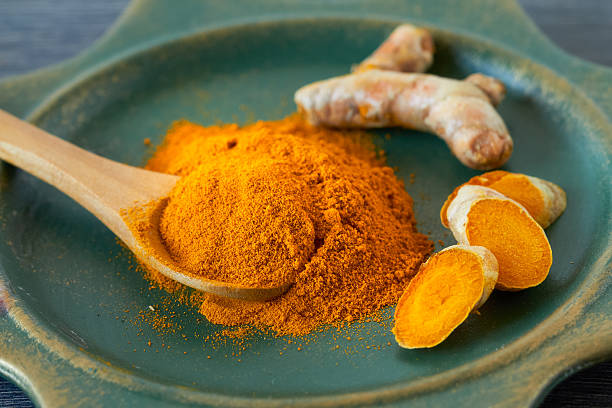
5. Turmeric

Turmeric has been used in Ayurveda and traditional Chinese medicine for centuries. Its active compound, curcumin, reduces inflammation and improves insulin sensitivity.

Benefits:

  • Protects against insulin resistance.
  • Reduces inflammation linked to diabetes.
  • Supports liver and overall metabolic health.

How to Use:

  • Add turmeric to curries, soups, or rice.
  • Drink turmeric milk (golden latte).
  • Use turmeric powder in smoothies or teas.

6. Millets

Millets like ragi (finger millet), bajra (pearl millet), and jowar (sorghum) are ancient grains widely consumed in India and Africa. They are gluten-free, high in fiber, and slow to digest.

Benefits:

  • Prevent rapid sugar spikes.
  • Provide long-lasting energy.
  • Rich in minerals like iron and magnesium.

How to Use:

  • Replace wheat flour with millet flour in rotis.
  • Cook millet porridge for breakfast.
  • Use millets in salads or as rice substitutes.

7. Amla (Indian Gooseberry)

Amla has been a cornerstone of Ayurvedic medicine for thousands of years. It is one of the richest sources of vitamin C and has powerful antioxidant properties.

Benefits:

  • Improves pancreatic function and insulin secretion.
  • Reduces oxidative stress linked to diabetes.
  • Strengthens immunity and digestion.

How to Use:

  • Eat raw amla with a pinch of salt.
  • Drink amla juice in the morning.
  • Use dried amla powder in smoothies or teas.

Practical Tips for Daily Life

  • Balance meals: Combine complex carbs with protein and fiber-rich foods.
  • Avoid refined sugar: Replace with natural sweeteners like dates or jaggery in moderation.
  • Stay hydrated: Water helps regulate metabolism and digestion.
  • Exercise regularly: Physical activity improves insulin sensitivity.
  • Mindful eating: Eat slowly and avoid overeating to prevent sugar spikes.

Conclusion

Ancient wisdom often holds the key to modern health problems. By including fenugreek, barley, cinnamon, chia seeds, turmeric, millets, and amla in your diet, you can naturally stabilize blood sugar and protect yourself from long-term complications.

These foods are not only effective but also affordable, widely available, and versatile. They remind us that health doesn’t always come from expensive supplements or modern inventions—sometimes, the answers are hidden in the traditions of our ancestors.

Mantra Chanting: Mind Ko Heal Karne Ka Scientific Raaz

Mantra chanting ek ancient aur powerful practice hai jo hamesha se spirituality, meditation aur healing ke saath associate kiya gaya hai. Lekin ab modern science bhi is baat ko validate kar rahi hai ki mantras ke vibrations aur repetition se brain aur body dono par positive impact hota hai. Is blog mein hum detail mein explore karenge ki chanting kaise mind ko heal karti hai, kya scientific explanations hain, aur kaise aap apni daily life mein isko adopt kar sakte ho.

Mantra: Ek “Tool of the Mind”

  • Sanskrit word Mantra ka matlab hota hai “tool of the mind.”
  • Har syllable ek vibration create karta hai jo body aur mind ke energy system ko influence karta hai.
  • Ancient yogis believe karte the ki mantras se consciousness elevate hoti hai aur mind calm hota hai.

Science Behind Mantra Chanting

1. Neuroplasticity

  • Jab hum ek mantra repeat karte hain, brain ke circuits strengthen hote hain.
  • Yeh repetition ek habit banata hai jo stress aur anxiety ko reduce karta hai.

2. Vagus Nerve Activation

  • Chanting se breathing slow hoti hai aur vagus nerve activate hoti hai.
  • Isse heart rate kam hota hai aur stress hormones reduce hote hain.

3. Brainwave Synchronization

  • Mantra chanting se alpha aur theta brainwaves generate hote hain.
  • Yeh waves relaxation, creativity aur deep focus ke liye responsible hote hain.

4. Neurochemistry Boost

  • Dopamine aur serotonin release hote hain jo mood ko uplift karte hain.
  • Isse anxiety aur depression ke symptoms naturally reduce hote hain.

The Power of “Om”

  • “Om” ko universal sound mana jata hai.
  • Iske vibrations abdomen, chest aur skull mein resonate karte hain.
  • Brain ke dono hemispheres synchronize hote hain, jisse harmony aur balance feel hota hai.

prhealthhub.com

Mantra Chanting as Mindfulness

  • Meditation mein silence hota hai, lekin chanting mein sound vibrations help karte hain restless minds ko anchor karne mein.
  • Yeh ek easy entry point hai un logon ke liye jo meditation start karna chahte hain.

Emotional Healing Through Mantras

  • Anxiety: Slow repetition racing thoughts ko calm karta hai.
  • Grief: Heart chakra soothe hota hai aur emotional pain reduce hota hai.
  • Anger: Energy ko channelize karke calmness create hoti hai.

Psychological Benefits

  • Mantras ek affirmation ki tarah kaam karte hain, jaise CBT (Cognitive Behavioral Therapy) mein hota hai.
  • Negative thought patterns replace hote hain positive aur peaceful affirmations se.

Proven Benefits of Chanting

  • Stress aur anxiety reduction
  • Concentration aur memory improvement
  • Emotional balance
  • Better sleep quality
  • Stronger immunity

Practical Applications

  • Students: Focus aur memory improve karne ke liye.
  • Professionals: Stress management aur productivity ke liye.
  • Patients: Healing aur recovery ke liye.
  • Yogis: Meditation deepen karne ke liye.

How to Start Mantra Chanting

  1. Ek mantra choose karo – “Om,” “Gayatri Mantra,” ya koi personal affirmation.
  2. Roz 5–10 minutes dedicate karo.
  3. Deep breathing ke saath chant karo.
  4. 21 ya 108 repetitions karo for best results.
  5. Consistency maintain karo – daily practice se hi long-term benefits milte hain.

Science Meets Spirituality

  • Pehle mantra chanting ko superstition mana jata tha.
  • Ab neuroscience aur psychology validate karte hain ki yeh ek natural therapy hai.
  • Yeh ek bridge hai jo ancient wisdom aur modern science ko connect karta hai.

Daily Life Integration Tips

  • Morning routine mein 5 minutes chanting add karo.
  • Stressful situations mein silently mantra repeat karo.
  • Sleep ke pehle chanting se relaxation aur better sleep milegi.
  • Group chanting sessions join karo for collective energy.

Advanced Insights

  • Mantra aur Breathwork: Jab mantra chanting ko pranayama ke saath combine kiya jata hai, toh healing aur bhi powerful ho jati hai.
  • Mantra aur Music Therapy: Modern therapists chanting ko background music ke saath use karte hain for faster relaxation.
  • Mantra aur Yoga: Yoga practice ke saath chanting karne se body aur mind dono align hote hain.

Real-Life Examples

  • Students preparing for exams: Daily Om chanting se focus aur memory boost hoti hai.
  • Corporate professionals: Stressful meetings ke pehle mantra chanting se calmness aati hai.
  • Patients recovering from illness: Healing aur positivity increase hoti hai.
  • Yoga practitioners: Meditation deepen hoti hai aur spiritual connection strong hota hai.

Conclusion

Mantra chanting ek simple aur accessible practice hai jo bina kisi side effect ke mind aur body ko heal karti hai. Science ab confirm kar rahi hai ki sound vibrations aur repetition se brain rewire hota hai, emotions calm hote hain, aur resilience build hoti hai.

summary: Mantra chanting is not just spirituality, it’s science-backed healing.

5 Powerful Drinks That Protect Your Heart

Heart health is one of the most important aspects of overall well‑being. Yet, many people silently develop artery plaque—a buildup of cholesterol, fat, and other substances inside blood vessels. This can block blood flow and increase the risk of heart disease. While medicines and lifestyle changes play a big role, experts say that simple daily drinks can also help keep arteries clean and the heart strong.

five powerful drinks are green tea, pomegranate juice, cranberry juice, black coffee, and water—that can support heart health naturally.

Understanding Artery Plaque

Artery plaque forms when cholesterol, fat, and calcium stick to the walls of arteries. Over time, this buildup hardens and narrows the arteries, a condition called atherosclerosis. It reduces blood flow and can lead to:

  • Chest pain
  • Heart attack
  • Stroke

Preventing plaque buildup is easier than treating it later. That’s why healthy habits, including the right diet and drinks, are so important.

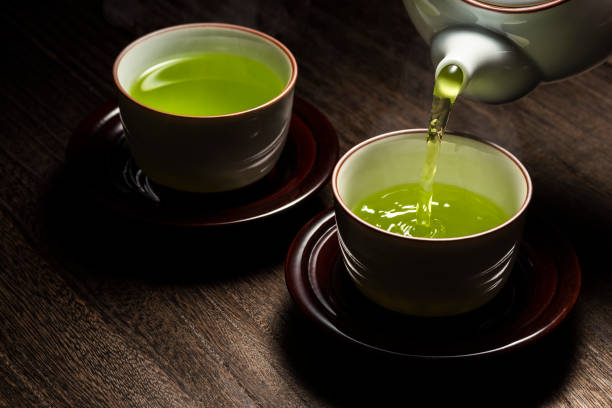
1. Green Tea – The Antioxidant Powerhouse

Green tea is rich in catechins, natural antioxidants that fight oxidative stress.

Benefits:

  • Lowers LDL cholesterol (bad cholesterol).
  • Improves endothelial function, making arteries more flexible.
  • Reduces inflammation in blood vessels.

How to Drink:

  • 2–3 cups daily are enough.
  • Avoid adding sugar.
  • Choose caffeine‑free versions if you have high blood pressure.

Green tea is not just refreshing—it’s a daily dose of protection for your arteries.

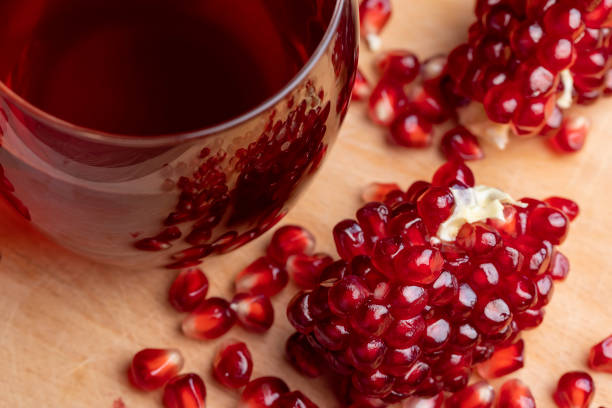
2. Pomegranate Juice – Nature’s Heart Shield

Pomegranate is packed with polyphenols and antioxidants that protect the heart.

Benefits:

  • Reduces oxidative stress in arteries.
  • Prevents plaque formation.
  • Improves blood circulation.

How to Drink:

  • One glass of fresh pomegranate juice daily.
  • Avoid packaged juices with added sugar.

This ruby‑red drink is more than tasty—it’s a natural way to keep your arteries clean.

3. Cranberry Juice – A Vessel Protector

Cranberries are well known for urinary tract health, but they also benefit the heart.

Benefits:

  • Strengthens blood vessels.
  • Reduces arterial stiffness.
  • Lowers risk of damage to artery walls.

How to Drink:

  • Half to one glass daily.
  • Choose unsweetened cranberry juice to avoid excess sugar.

Cranberry juice is a tangy option that supports both immunity and cardiovascular health.

4. Black Coffee – Energy with Heart Benefits

Coffee, when consumed in moderation, can be good for the heart.

Benefits:

  • Contains polyphenols that improve cardiovascular function.
  • May reduce risk of heart disease when taken without sugar or cream.
  • Boosts alertness and metabolism.

How to Drink:

  • 1–2 cups daily.
  • Avoid excess caffeine.
  • Skip sugar and heavy cream.

Black coffee is proof that your morning ritual can also support heart health.

5. Water – The Simplest Heart Protector

Water is often overlooked, but it is vital for circulation.

Benefits:

  • Keeps blood flowing smoothly.
  • Prevents dehydration, which strains the heart.
  • Helps maintain blood pressure balance.

How to Drink:

  • 8–10 glasses daily.
  • Increase intake in hot weather or after exercise.

Water is the cheapest and most effective way to support your arteries.

Lifestyle Tips Alongside These Drinks

Drinks alone cannot prevent heart disease. Combine them with:

  • Balanced diet: Eat fruits, vegetables, whole grains, and lean proteins.
  • Regular exercise: 30 minutes of walking or cycling daily.
  • Stress management: Practice yoga, meditation, or deep breathing.
  • Avoid smoking and excess alcohol: Both damage arteries.

Expert Insights

Doctors emphasize that these drinks are supportive measures, not replacements for medical treatment. If you already have high cholesterol or heart disease, consult your doctor before making major dietary changes.

Conclusion

Heart health is built through small, daily choices. By adding green tea, pomegranate juice, cranberry juice, black coffee, and water to your routine, you can naturally reduce the risk of artery plaque and keep your heart strong.

Simple habits today can protect you from serious problems tomorrow. So, the next time you reach for a drink, make it one that loves your heart back.

Exit mobile version