
“Nipah Virus Ki Warning Bell – Symptoms, Spread Aur Prevention”

Aaj ke time mein health news humein baar‑baar yaad dilati hai ki viruses kitne unpredictable hote hain. Recently ek nurse Nipah virus se succumb kar gayi, aur isne ek baar phir se sabko alert kar diya hai. Ye incident humein dikhata hai ki Nipah virus sirf ek medical term nahi hai, balki ek real threat hai jo human lives ko directly impact karta hai.

  • Nipah virus kya hai
  • Symptoms kaise dikhte hain
  • Transmission risk kitna dangerous hai
  • Prevention aur awareness kyun zaroori hai
  • Aur hum apni daily life mein kya steps le sakte hain

Nipah Virus Kya Hai?

  • Nipah virus (NiV) ek zoonotic virus hai – matlab animals se humans tak aa sakta hai.
  • First time ye 1998 mein Malaysia mein identify hua tha.
  • Natural carriers: Fruit bats (Pteropus species), jinhe flying foxes bhi kehte hain.
  • India aur Bangladesh mein iske outbreaks baar‑baar report hue hain.

Ye virus dangerous isliye hai kyunki iska mortality rate 40–75% tak ho sakta hai, jo bahut high hai compared to other viral infections.

️ Symptoms Jo Dhyaan Rakhne Chahiye

Nipah virus ke symptoms mild se lekar severe tak ho sakte hain. Usually 4–14 din ke andar appear hote hain:

  • High fever
  • Severe headache
  • Muscle pain
  • Vomiting aur sore throat
  • Dizziness aur drowsiness

Agar condition worsen ho jaaye to:

  • Acute respiratory distress
  • Encephalitis (brain inflammation)
  • Seizures
  • Altered consciousness ya coma

Survivors ko bhi long‑term neurological problems ho sakte hain.

️ Human Transmission Risk

Sabse bada concern ye hai ki Nipah virus human‑to‑human spread kar sakta hai.

Transmission ke modes:

  • Respiratory droplets
  • Direct contact with blood/body fluids
  • Contaminated medical equipment
  • Close contact with infected patients

Isliye healthcare workers jaise nurses aur doctors sabse zyada vulnerable hote hain agar infection control protocols strictly follow na kiye jaayein.

Why It’s So Dangerous

  • No specific antiviral treatment available.
  • No approved vaccine abhi tak.
  • Sirf supportive care possible hai – jaise ventilator support, breathing management, neurological complication control.
  • Outbreaks rapid ho sakte hain agar early detection aur isolation na ho.

Real‑Life Incident (West Bengal Case)

Ek 25‑year‑old nurse Nipah virus se infected hui aur ventilator par thi. Unfortunately, wo recover nahi kar paayi. Ye incident ek reminder hai ki frontline healthcare workers kitne risk mein hote hain.

Dusra nurse jo infected tha, wo recover kar gaya – iska matlab hai ki timely care aur body response difference create kar sakte hain.

️ Prevention Aur Awareness

Kyuki cure abhi available nahi hai, prevention hi sabse bada weapon hai.

Preventive Steps:

  • Avoid raw date palm sap (jo bats contaminate kar sakte hain).
  • Strict hygiene practices.
  • PPE (personal protective equipment) use karein healthcare settings mein.
  • Patient isolation aur contact tracing zaroori hai.
  • Community awareness campaigns – logon ko symptoms aur risks ke baare mein educate karna.

Daily Life Mein Kya Kar Sakte Hain

  • Hand hygiene: Regular hand wash aur sanitizer use.
  • Food safety: Fruits properly wash karo, raw palm sap avoid karo.
  • Mask aur distancing: Outbreak areas mein extra caution.
  • Report symptoms early: Agar fever + headache + respiratory distress ho, turant doctor ko inform karo.

Awareness:

  • “Nipah virus ko lightly mat lo – prevention hi protection hai.”
  • “Bats se shuru hota hai, lekin careless humans se spread hota hai.”
  • “Healthcare workers ko protect karna sabki responsibility hai.”
  • “No cure, no vaccine – sirf awareness hi shield hai.”

Connecting Ancient Wisdom

Interesting baat ye hai ki humari ancient texts jaise Ayurveda aur Gita bhi hamesha ek cheez kehte hain – balance aur awareness. Nipah virus ke context mein bhi ye apply hota hai:

  • Awareness = Protection
  • Balance = Immunity strong rakhna
  • Compassion = Healthcare workers ko support karna

Global Perspective

WHO aur international health bodies Nipah ko ek priority pathogen mante hain kyunki iska pandemic potential high hai. Vaccine candidates develop ho rahe hain, lekin abhi tak widely available nahi hain.

Conclusion

Nipah virus ek silent but deadly threat hai. Ek nurse ki death humein remind karti hai ki frontline workers kitne vulnerable hote hain aur hum sabko apna role play karna chahiye.

  • Symptoms ko ignore mat karo.
  • Prevention ko priority banao.
  • Awareness spread karo.

“Health ek collective responsibility hai. Agar hum sab cautious rahenge, to Nipah jaise viruses ko stop karna possible hai.”

“7 Ancient Foods That Naturally Balance Blood Sugar”

Blood sugar balance is one of the most important aspects of good health. When our glucose levels rise too quickly after meals, we often feel tired, hungry again, or even irritable. Over time, repeated spikes can lead to insulin resistance, type 2 diabetes, and other metabolic problems.

Modern diets filled with refined sugar, white flour, and processed snacks make this problem worse. But the good news is that nature has always provided us with foods that help keep blood sugar steady. Many of these foods have been used for centuries in traditional diets and healing practices. They are rich in fiber, antioxidants, and natural compounds that slow down sugar absorption and improve insulin sensitivity.

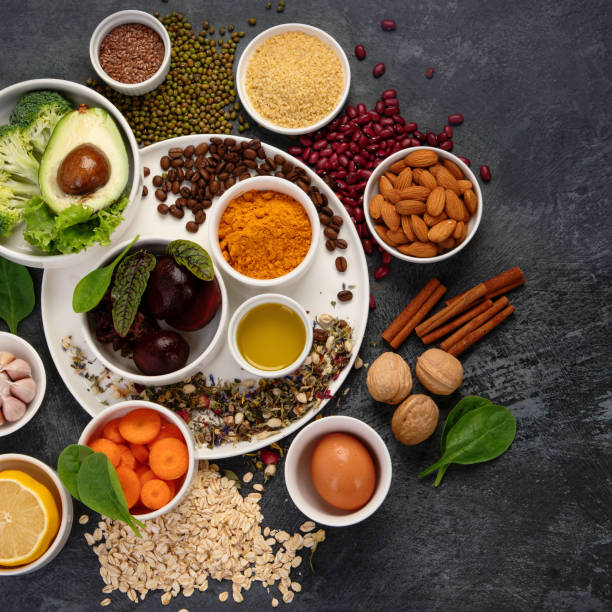
The seven ancient foods that can naturally stabilize blood sugar are

1. Barley

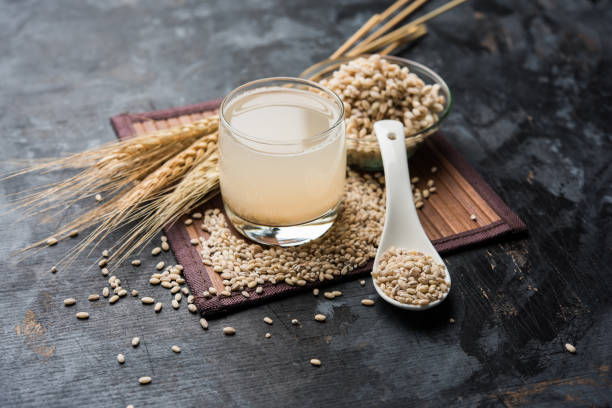
Barley is one of the oldest cultivated grains, dating back to ancient Egypt and Mesopotamia. Unlike refined grains, barley is rich in beta-glucan fiber, which slows glucose absorption.

Benefits:

  • Keeps you full for longer.
  • Reduces cholesterol along with blood sugar.
  • Provides steady energy throughout the day.

How to Use:

  • Replace rice with barley in soups or salads.
  • Use barley flour in bread or rotis.
  • Try barley water, a traditional cooling drink in many cultures.

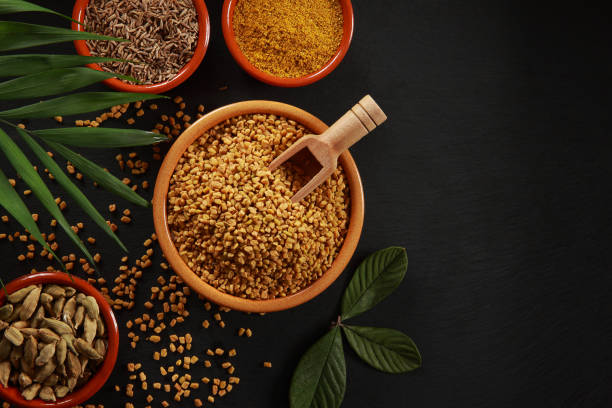
2. Fenugreek Seeds

Fenugreek has been used in Indian, Middle Eastern, and Mediterranean cooking for thousands of years. The seeds are slightly bitter but packed with soluble fiber, which slows down carbohydrate digestion.

Benefits:

  • Helps reduce post-meal sugar spikes.
  • Improves insulin sensitivity.
  • Supports digestion and appetite control.

How to Use:

  • Soak fenugreek seeds overnight and eat them in the morning.
  • Add powdered fenugreek to curries, dals, or bread dough.
  • Drink fenugreek tea for a mild, earthy flavor

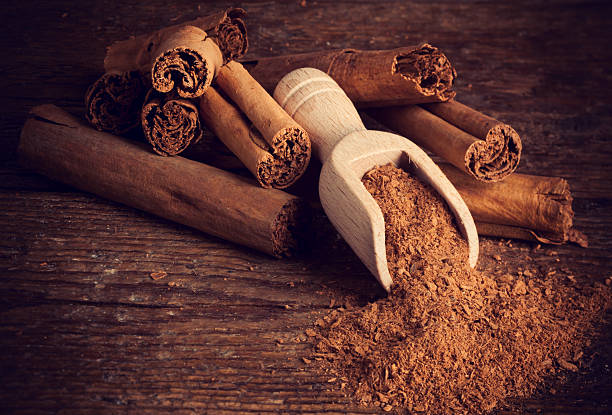
3. Cinnamon

Cinnamon has been treasured since ancient times, even considered more valuable than gold in some eras. Beyond its aroma, cinnamon contains compounds that mimic insulin and improve glucose uptake by cells.

prhealthhub.com

Benefits:

  • Lowers fasting blood sugar.
  • Improves insulin function.
  • Adds natural sweetness without sugar.

How to Use:

  • Sprinkle cinnamon on oatmeal, smoothies, or yogurt.
  • Add to tea or coffee for flavor.
  • Use in baking instead of sugar-heavy flavorings.

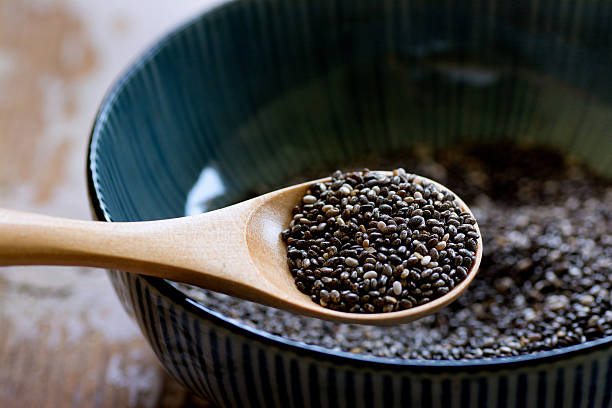
4. Chia Seeds

Though small, chia seeds were a staple food of the Aztecs and Mayans. They absorb water and form a gel-like texture, slowing digestion and stabilizing blood sugar.

Benefits:

  • Rich in fiber and omega-3 fatty acids.
  • Keeps you full and reduces cravings.
  • Supports heart and gut health.

How to Use:

  • Make chia pudding with milk or plant-based alternatives.
  • Add to smoothies, salads, or baked goods.
  • Sprinkle on fruit bowls for extra crunch.

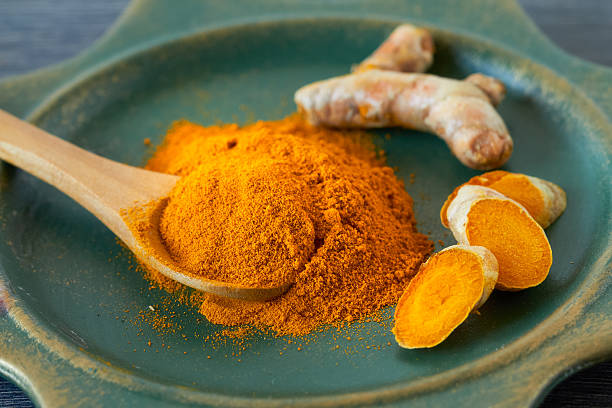
5. Turmeric

Turmeric has been used in Ayurveda and traditional Chinese medicine for centuries. Its active compound, curcumin, reduces inflammation and improves insulin sensitivity.

Benefits:

  • Protects against insulin resistance.
  • Reduces inflammation linked to diabetes.
  • Supports liver and overall metabolic health.

How to Use:

  • Add turmeric to curries, soups, or rice.
  • Drink turmeric milk (golden latte).
  • Use turmeric powder in smoothies or teas.

6. Millets

Millets like ragi (finger millet), bajra (pearl millet), and jowar (sorghum) are ancient grains widely consumed in India and Africa. They are gluten-free, high in fiber, and slow to digest.

Benefits:

  • Prevent rapid sugar spikes.
  • Provide long-lasting energy.
  • Rich in minerals like iron and magnesium.

How to Use:

  • Replace wheat flour with millet flour in rotis.
  • Cook millet porridge for breakfast.
  • Use millets in salads or as rice substitutes.

7. Amla (Indian Gooseberry)

Amla has been a cornerstone of Ayurvedic medicine for thousands of years. It is one of the richest sources of vitamin C and has powerful antioxidant properties.

Benefits:

  • Improves pancreatic function and insulin secretion.
  • Reduces oxidative stress linked to diabetes.
  • Strengthens immunity and digestion.

How to Use:

  • Eat raw amla with a pinch of salt.
  • Drink amla juice in the morning.
  • Use dried amla powder in smoothies or teas.

Practical Tips for Daily Life

  • Balance meals: Combine complex carbs with protein and fiber-rich foods.
  • Avoid refined sugar: Replace with natural sweeteners like dates or jaggery in moderation.
  • Stay hydrated: Water helps regulate metabolism and digestion.
  • Exercise regularly: Physical activity improves insulin sensitivity.
  • Mindful eating: Eat slowly and avoid overeating to prevent sugar spikes.

Conclusion

Ancient wisdom often holds the key to modern health problems. By including fenugreek, barley, cinnamon, chia seeds, turmeric, millets, and amla in your diet, you can naturally stabilize blood sugar and protect yourself from long-term complications.

These foods are not only effective but also affordable, widely available, and versatile. They remind us that health doesn’t always come from expensive supplements or modern inventions—sometimes, the answers are hidden in the traditions of our ancestors.

Mantra Chanting: Mind Ko Heal Karne Ka Scientific Raaz

Mantra chanting ek ancient aur powerful practice hai jo hamesha se spirituality, meditation aur healing ke saath associate kiya gaya hai. Lekin ab modern science bhi is baat ko validate kar rahi hai ki mantras ke vibrations aur repetition se brain aur body dono par positive impact hota hai. Is blog mein hum detail mein explore karenge ki chanting kaise mind ko heal karti hai, kya scientific explanations hain, aur kaise aap apni daily life mein isko adopt kar sakte ho.

Mantra: Ek “Tool of the Mind”

  • Sanskrit word Mantra ka matlab hota hai “tool of the mind.”
  • Har syllable ek vibration create karta hai jo body aur mind ke energy system ko influence karta hai.
  • Ancient yogis believe karte the ki mantras se consciousness elevate hoti hai aur mind calm hota hai.

Science Behind Mantra Chanting

1. Neuroplasticity

  • Jab hum ek mantra repeat karte hain, brain ke circuits strengthen hote hain.
  • Yeh repetition ek habit banata hai jo stress aur anxiety ko reduce karta hai.

2. Vagus Nerve Activation

  • Chanting se breathing slow hoti hai aur vagus nerve activate hoti hai.
  • Isse heart rate kam hota hai aur stress hormones reduce hote hain.

3. Brainwave Synchronization

  • Mantra chanting se alpha aur theta brainwaves generate hote hain.
  • Yeh waves relaxation, creativity aur deep focus ke liye responsible hote hain.

4. Neurochemistry Boost

  • Dopamine aur serotonin release hote hain jo mood ko uplift karte hain.
  • Isse anxiety aur depression ke symptoms naturally reduce hote hain.

The Power of “Om”

  • “Om” ko universal sound mana jata hai.
  • Iske vibrations abdomen, chest aur skull mein resonate karte hain.
  • Brain ke dono hemispheres synchronize hote hain, jisse harmony aur balance feel hota hai.

prhealthhub.com

Mantra Chanting as Mindfulness

  • Meditation mein silence hota hai, lekin chanting mein sound vibrations help karte hain restless minds ko anchor karne mein.
  • Yeh ek easy entry point hai un logon ke liye jo meditation start karna chahte hain.

Emotional Healing Through Mantras

  • Anxiety: Slow repetition racing thoughts ko calm karta hai.
  • Grief: Heart chakra soothe hota hai aur emotional pain reduce hota hai.
  • Anger: Energy ko channelize karke calmness create hoti hai.

Psychological Benefits

  • Mantras ek affirmation ki tarah kaam karte hain, jaise CBT (Cognitive Behavioral Therapy) mein hota hai.
  • Negative thought patterns replace hote hain positive aur peaceful affirmations se.

Proven Benefits of Chanting

  • Stress aur anxiety reduction
  • Concentration aur memory improvement
  • Emotional balance
  • Better sleep quality
  • Stronger immunity

Practical Applications

  • Students: Focus aur memory improve karne ke liye.
  • Professionals: Stress management aur productivity ke liye.
  • Patients: Healing aur recovery ke liye.
  • Yogis: Meditation deepen karne ke liye.

How to Start Mantra Chanting

  1. Ek mantra choose karo – “Om,” “Gayatri Mantra,” ya koi personal affirmation.
  2. Roz 5–10 minutes dedicate karo.
  3. Deep breathing ke saath chant karo.
  4. 21 ya 108 repetitions karo for best results.
  5. Consistency maintain karo – daily practice se hi long-term benefits milte hain.

Science Meets Spirituality

  • Pehle mantra chanting ko superstition mana jata tha.
  • Ab neuroscience aur psychology validate karte hain ki yeh ek natural therapy hai.
  • Yeh ek bridge hai jo ancient wisdom aur modern science ko connect karta hai.

Daily Life Integration Tips

  • Morning routine mein 5 minutes chanting add karo.
  • Stressful situations mein silently mantra repeat karo.
  • Sleep ke pehle chanting se relaxation aur better sleep milegi.
  • Group chanting sessions join karo for collective energy.

Advanced Insights

  • Mantra aur Breathwork: Jab mantra chanting ko pranayama ke saath combine kiya jata hai, toh healing aur bhi powerful ho jati hai.
  • Mantra aur Music Therapy: Modern therapists chanting ko background music ke saath use karte hain for faster relaxation.
  • Mantra aur Yoga: Yoga practice ke saath chanting karne se body aur mind dono align hote hain.

Real-Life Examples

  • Students preparing for exams: Daily Om chanting se focus aur memory boost hoti hai.
  • Corporate professionals: Stressful meetings ke pehle mantra chanting se calmness aati hai.
  • Patients recovering from illness: Healing aur positivity increase hoti hai.
  • Yoga practitioners: Meditation deepen hoti hai aur spiritual connection strong hota hai.

Conclusion

Mantra chanting ek simple aur accessible practice hai jo bina kisi side effect ke mind aur body ko heal karti hai. Science ab confirm kar rahi hai ki sound vibrations aur repetition se brain rewire hota hai, emotions calm hote hain, aur resilience build hoti hai.

summary: Mantra chanting is not just spirituality, it’s science-backed healing.

5 Powerful Drinks That Protect Your Heart

Heart health is one of the most important aspects of overall well‑being. Yet, many people silently develop artery plaque—a buildup of cholesterol, fat, and other substances inside blood vessels. This can block blood flow and increase the risk of heart disease. While medicines and lifestyle changes play a big role, experts say that simple daily drinks can also help keep arteries clean and the heart strong.

five powerful drinks are green tea, pomegranate juice, cranberry juice, black coffee, and water—that can support heart health naturally.

Understanding Artery Plaque

Artery plaque forms when cholesterol, fat, and calcium stick to the walls of arteries. Over time, this buildup hardens and narrows the arteries, a condition called atherosclerosis. It reduces blood flow and can lead to:

  • Chest pain
  • Heart attack
  • Stroke

Preventing plaque buildup is easier than treating it later. That’s why healthy habits, including the right diet and drinks, are so important.

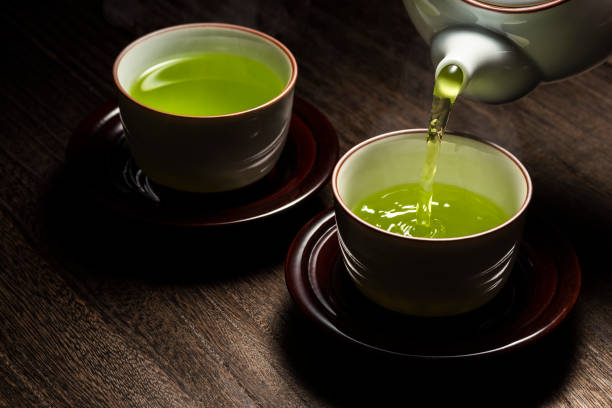
1. Green Tea – The Antioxidant Powerhouse

Green tea is rich in catechins, natural antioxidants that fight oxidative stress.

Benefits:

  • Lowers LDL cholesterol (bad cholesterol).
  • Improves endothelial function, making arteries more flexible.
  • Reduces inflammation in blood vessels.

How to Drink:

  • 2–3 cups daily are enough.
  • Avoid adding sugar.
  • Choose caffeine‑free versions if you have high blood pressure.

Green tea is not just refreshing—it’s a daily dose of protection for your arteries.

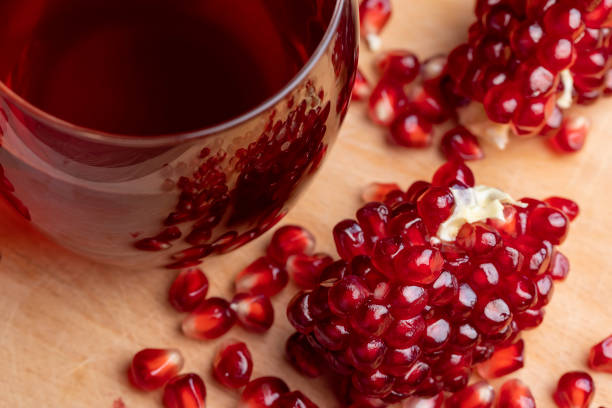
2. Pomegranate Juice – Nature’s Heart Shield

Pomegranate is packed with polyphenols and antioxidants that protect the heart.

Benefits:

  • Reduces oxidative stress in arteries.
  • Prevents plaque formation.
  • Improves blood circulation.

How to Drink:

  • One glass of fresh pomegranate juice daily.
  • Avoid packaged juices with added sugar.

This ruby‑red drink is more than tasty—it’s a natural way to keep your arteries clean.

3. Cranberry Juice – A Vessel Protector

Cranberries are well known for urinary tract health, but they also benefit the heart.

Benefits:

  • Strengthens blood vessels.
  • Reduces arterial stiffness.
  • Lowers risk of damage to artery walls.

How to Drink:

  • Half to one glass daily.
  • Choose unsweetened cranberry juice to avoid excess sugar.

Cranberry juice is a tangy option that supports both immunity and cardiovascular health.

4. Black Coffee – Energy with Heart Benefits

Coffee, when consumed in moderation, can be good for the heart.

Benefits:

  • Contains polyphenols that improve cardiovascular function.
  • May reduce risk of heart disease when taken without sugar or cream.
  • Boosts alertness and metabolism.

How to Drink:

  • 1–2 cups daily.
  • Avoid excess caffeine.
  • Skip sugar and heavy cream.

Black coffee is proof that your morning ritual can also support heart health.

5. Water – The Simplest Heart Protector

Water is often overlooked, but it is vital for circulation.

Benefits:

  • Keeps blood flowing smoothly.
  • Prevents dehydration, which strains the heart.
  • Helps maintain blood pressure balance.

How to Drink:

  • 8–10 glasses daily.
  • Increase intake in hot weather or after exercise.

Water is the cheapest and most effective way to support your arteries.

Lifestyle Tips Alongside These Drinks

Drinks alone cannot prevent heart disease. Combine them with:

  • Balanced diet: Eat fruits, vegetables, whole grains, and lean proteins.
  • Regular exercise: 30 minutes of walking or cycling daily.
  • Stress management: Practice yoga, meditation, or deep breathing.
  • Avoid smoking and excess alcohol: Both damage arteries.

Expert Insights

Doctors emphasize that these drinks are supportive measures, not replacements for medical treatment. If you already have high cholesterol or heart disease, consult your doctor before making major dietary changes.

Conclusion

Heart health is built through small, daily choices. By adding green tea, pomegranate juice, cranberry juice, black coffee, and water to your routine, you can naturally reduce the risk of artery plaque and keep your heart strong.

Simple habits today can protect you from serious problems tomorrow. So, the next time you reach for a drink, make it one that loves your heart back.

Afternoon Sleepiness? A Hidden Vitamin Deficiency May Be to Blame

Do you often feel sleepy or tired every afternoon, even after a good night’s sleep? Many people experience this daily slump and blame it on stress, workload, or age. But experts suggest that one hidden reason could be vitamin D deficiency. This blog explores why afternoon fatigue happens, how vitamin D plays a role in energy levels, and what you can do to stay active and alert.

Why Do We Feel Sleepy in the Afternoon?

Afternoon tiredness is a common experience. Here are some usual reasons:

  • Natural body rhythm: Our energy levels dip after lunch due to circadian rhythm.
  • Heavy meals: Eating oily or carb-heavy food can make us sluggish.
  • Stress and workload: Mental fatigue adds to physical tiredness.
  • Poor sleep quality: Even if you sleep for 7–8 hours, disturbed sleep can cause daytime drowsiness.

But when this tiredness becomes persistent and daily, it may point to something deeper—like a nutritional deficiency.

The Role of Vitamin D in Our Body

Vitamin D is often called the “sunshine vitamin” because our body produces it when exposed to sunlight. It is essential for:

  • Bone health: Helps absorb calcium and strengthens bones.
  • Immune system: Protects against infections.
  • Muscle function: Supports strength and coordination.
  • Energy regulation: Plays a role in reducing fatigue and maintaining alertness.

When vitamin D levels are low, the body struggles to function properly, leading to weakness, tiredness, and even mood changes.

How Vitamin D Deficiency Causes Afternoon Sleepiness

Experts explain that vitamin D deficiency can directly affect energy levels. Here’s how:

  • Weak muscles: Low vitamin D makes muscles feel heavy and tired.
  • Poor sleep quality: Deficiency is linked to disturbed sleep patterns.
  • Low energy metabolism: Vitamin D helps cells produce energy; without it, you feel drained.
  • Mood changes: Deficiency can cause irritability or mild depression, which adds to fatigue.

So, if you feel sleepy every afternoon despite eating well and sleeping enough, vitamin D deficiency could be the hidden culprit.

Signs of Vitamin D Deficiency

Apart from afternoon sleepiness, here are other warning signs:

  • Frequent tiredness
  • Muscle weakness
  • Bone pain or stiffness
  • Low immunity (falling sick often)
  • Hair loss
  • Mood swings or sadness

If you notice these symptoms regularly, it’s wise to get your vitamin D levels checked.

Who Is at Risk?

Vitamin D deficiency is surprisingly common. People at higher risk include:

  • Indoor workers: Those who spend most of their time inside offices or homes.
  • Older adults: The body’s ability to produce vitamin D decreases with age.
  • People with darker skin: Melanin reduces the skin’s ability to absorb sunlight.
  • Individuals with obesity: Vitamin D gets trapped in fat tissues.
  • Those with limited sun exposure: Wearing full clothing or using sunscreen constantly can reduce vitamin D absorption.

How to Boost Vitamin D Naturally

The good news is that vitamin D deficiency can be corrected. Here are simple ways:

1. Sunlight Exposure

  • Spend 15–20 minutes in the morning sun.
  • Expose arms and face without sunscreen for short periods.
  • Avoid harsh midday sun to prevent skin damage.

2. Vitamin D-Rich Foods

Include these in your diet:

  • Fatty fish (salmon, tuna, mackerel)
  • Egg yolks
  • Fortified milk and cereals
  • Mushrooms
  • Cheese

3. Supplements

Doctors may recommend vitamin D tablets or drops if levels are very low. Always consult a healthcare professional before starting supplements.

Lifestyle Tips to Beat Afternoon Sleepiness

Even while correcting vitamin D deficiency, you can follow these tips to stay active:

  • Eat light lunches: Avoid heavy fried foods.
  • Stay hydrated: Dehydration causes fatigue.
  • Take short walks: Moving around boosts circulation.
  • Practice desk stretches: Keeps muscles active.
  • Power naps: A 10–15 minute nap can refresh you.

Vitamin D and Mental Health

Interestingly, vitamin D is also linked to mental well-being. Low levels can cause:

  • Anxiety
  • Depression
  • Irritability
  • Lack of motivation

By maintaining healthy vitamin D levels, you not only fight afternoon sleepiness but also improve mood and focus.

Expert Advice

Health experts emphasize that ignoring persistent fatigue is risky. Afternoon sleepiness may look harmless, but it can signal deeper health issues. Regular check-ups and blood tests can help detect deficiencies early. Correcting vitamin D levels improves energy, immunity, and overall quality of life.

Conclusion

Feeling sleepy every afternoon is not just about workload or age—it could be your body’s way of telling you that something is missing. Vitamin D deficiency is a silent problem affecting millions worldwide. By spending time in sunlight, eating vitamin D-rich foods, and consulting doctors when needed, you can overcome this hidden cause of fatigue.

So next time you feel drained in the afternoon, don’t just blame stress—check your vitamin D levels. A small change today can bring big improvements in your energy and health tomorrow.

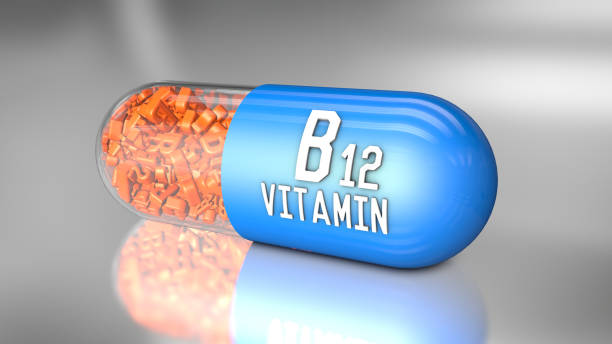
Vitamin B12: The Energy Vitamin You Can’t Ignore:-

Vitamin B12, also known as cobalamin, is a water-soluble vitamin that plays a crucial role in maintaining the health of your nervous system, brain function, and red blood cells. Unlike other vitamins, the human body cannot produce B12 naturally—it must be obtained from food or supplements. Deficiency can lead to fatigue, memory issues, and even serious neurological problems if left untreated.

Why Vitamin B12 Matters

  • Red Blood Cell Formation: B12 helps in the production of healthy red blood cells. Without it, cells become enlarged and dysfunctional, leading to megaloblastic anemia.
  • DNA Synthesis: Along with folate (B9) and B6, B12 is essential for DNA creation, enabling cells to grow and divide properly.
  • Nervous System Health: It maintains the protective covering (myelin sheath) around nerves, ensuring smooth communication between brain and body.
  • Energy & Mood Regulation: Adequate B12 levels prevent fatigue and support neurotransmitter balance, reducing risks of depression and cognitive decline.

Sources of Vitamin B12
Natural Food Sources

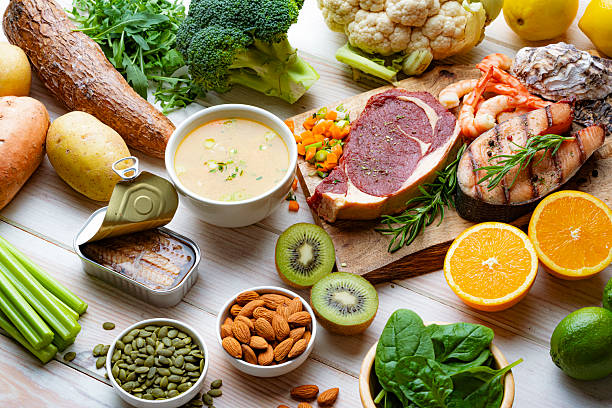
  • Animal Products: Meat (beef, chicken, liver), fish (salmon, tuna), eggs, and dairy are the richest sources.
  • Fortified Foods: Plant-based eaters can rely on fortified cereals, soy milk, and nutritional yeast.
  • Supplements: Available in tablets, capsules, and injections for those with absorption issues.
    Vegetarian & Vegan Considerations
    Since B12 is naturally found in animal products, vegans and vegetarians are at higher risk of deficiency. Fortified foods and supplements are essential for them.

Signs of Vitamin B12 Deficiency

Fatigue & Weakness:Due to reduced oxygen transport in the body.

Neurological Symptoms: Tingling in hands/feet, poor balance, memory loss.

  • Mood Changes: Irritability, depression, or brain fog.
  • Pale or Jaundiced Skin: Caused by abnormal red blood cell production.
  • Glossitis (Inflamed Tongue): Painful swelling and redness of the tongue.

Who Is at Risk?

  • Older Adults: Reduced stomach acid makes absorption harder.
  • Vegans & Vegetarians: Lack of animal products in diet.
  • People with Digestive Disorders: Conditions like Crohn’s disease or celiac disease affect absorption.
  • Pregnant & Breastfeeding Women: Higher nutritional demands.
  • Individuals on Certain Medications: Long-term use of antacids or metformin can lower B12 absorption.

Health Benefits of Adequate Vitamin B12

  • Boosts Energy Levels: Prevents chronic fatigue.
  • Supports Brain Health: Reduces risk of dementia and cognitive decline.
  • Improves Heart Health: Helps lower homocysteine levels, reducing cardiovascular risks.
  • Enhances Mood: Supports serotonin production, reducing depression symptoms.
  • Promotes Healthy Pregnancy: Prevents birth defects by aiding DNA synthesis.

How Much Vitamin B12 Do You Need?

  • Adults: Around 2.4 micrograms per day.
  • Pregnant Women: 2.6 mcg/day.
  • Breastfeeding Women: 2.8 mcg/day.
  • Older Adults: May require higher intake due to absorption issues.

Practical Tips to Maintain Healthy B12 Levels

  1. Include Animal Products: If non-vegetarian, eat fish, eggs, and dairy regularly.
  2. Fortified Foods: Vegans should consume fortified cereals, soy milk, or nutritional yeast.
  3. Regular Testing: Especially for those at risk, a blood test can detect deficiency early.
  4. Supplements: Oral tablets or injections if diet alone isn’t sufficient.
  5. Balanced Diet: Combine B12-rich foods with folate and iron for maximum benefit.

Risks of Ignoring Deficiency

  • Permanent Nerve Damage: Untreated deficiency can cause irreversible neurological issues.
  • Anemia: Leads to extreme fatigue and weakness.
  • Cognitive Decline: Increases risk of dementia and Alzheimer’s disease.
  • Pregnancy Complications: Higher risk of birth defects and developmental delays.

Conclusion:-


Vitamin B12 is not just another nutrient—it’s a lifeline for energy, brain health, and overall vitality. Whether you’re a meat-eater or a vegan, ensuring adequate intake is crucial. Regular testing, mindful eating, and supplementation when necessary can protect you from the silent yet serious consequences of deficiency.

Daily Habits That Secretly Harm Your Heart:-

Our heart is the engine of our body. It works nonstop, pumping blood and keeping us alive. Yet many of us unknowingly put stress on this vital organ through small daily habits. These habits may look harmless, but over time they can damage the heart and increase the risk of serious health problems.

A cardiothoracic surgeon with more than 25 years of experience, recently shared his thoughts on this topic. He explained that smoking is the single worst habit for heart health, but there are also four everyday routines that quietly harm the heart. In this blog, we will explore these habits, understand why they are dangerous, and learn how to replace them with healthier choices.

1. Smoking – The Silent Killer

Smoking is not just a bad habit; it is a direct attack on your heart and lungs. Every puff of smoke carries harmful chemicals that damage blood vessels, raise blood pressure, and reduce oxygen supply.

  • Why it’s harmful:
    • Nicotine increases heart rate and blood pressure.
    • Carbon monoxide reduces oxygen in the blood.
    • Tar and other chemicals damage arteries, leading to blockages.
  • Long-term effects:
    • Higher risk of heart attack and stroke.
    • Chronic lung disease and cancer.
    • Reduced life expectancy.
  • Healthier alternative: Quitting smoking is the best gift you can give your heart. Replace the habit with deep breathing exercises, chewing sugar-free gum, or engaging in physical activity. Support groups and nicotine replacement therapies can also help.

2. Sitting Too Much

Modern life has made us more sedentary than ever. Long hours at a desk, watching TV, or scrolling on phones may feel relaxing, but sitting for extended periods is harmful to the heart.

  • Why it’s harmful:
    • Sitting reduces blood circulation.
    • Muscles burn fewer calories, leading to weight gain.
    • Increases risk of high cholesterol and diabetes.
  • Long-term effects:
    • Greater chance of heart disease.
    • Weak muscles and stiff joints.
    • Poor posture and back pain.
  • Healthier alternative: Stand up and stretch every 30 minutes. Use a standing desk if possible. Walk during phone calls, take stairs instead of elevators, and include short exercise breaks in your routine.

3. Skipping Sleep

Sleep is not a luxury; it is a necessity. Many people sacrifice sleep for work, entertainment, or social media. But poor sleep habits can silently harm the heart.

  • Why it’s harmful:
    • Lack of sleep raises stress hormones.
    • Increases blood pressure and heart rate.
    • Weakens the immune system.
  • Long-term effects:
    • Higher risk of obesity and diabetes.
    • Greater chance of heart attack and stroke.
    • Mental health issues like anxiety and depression.
  • Healthier alternative: Aim for 7–8 hours of quality sleep every night. Create a bedtime routine, avoid screens before sleep, and keep your bedroom dark and quiet. Good sleep is like medicine for your heart.

4. Eating Too Much Processed Food

Fast food, packaged snacks, and sugary drinks are convenient but harmful. They are loaded with salt, sugar, and unhealthy fats that strain the heart.

  • Why it’s harmful:
    • Excess salt raises blood pressure.
    • Trans fats clog arteries.
    • Added sugar increases risk of diabetes.
  • Long-term effects:
    • Obesity and metabolic syndrome.
    • Heart disease and stroke.
    • Reduced energy and poor digestion.
  • Healthier alternative: Choose fresh fruits, vegetables, whole grains, and lean proteins. Drink water instead of soda. Cook at home whenever possible, and read food labels to avoid hidden sugars and salts.

5. Ignoring Stress

Stress is often seen as a mental issue, but it has a direct impact on the heart. Constant stress triggers the release of hormones like cortisol and adrenaline, which increase blood pressure and heart rate.

  • Why it’s harmful:
    • Stress narrows blood vessels.
    • Increases risk of arrhythmia (irregular heartbeat).
    • Weakens the immune system.
  • Long-term effects:
    • Chronic anxiety and depression.
    • Greater chance of heart disease.
    • Reduced quality of life.
  • Healthier alternative: Practice meditation, yoga, or mindfulness. Spend time with loved ones, pursue hobbies, and take breaks from work. Managing stress is as important as managing diet and exercise.

Practical Tips to Protect Your Heart

  • Walk at least 30 minutes daily.
  • Drink plenty of water.
  • Eat colorful fruits and vegetables.
  • Limit alcohol and caffeine.
  • Get regular health check-ups.
  • Stay socially connected and positive.

Conclusion

Our heart is precious, and protecting it should be our top priority. Smoking, sitting too much, skipping sleep, eating processed food, and ignoring stress may look like small habits, but they silently harm the heart over time. By making conscious choices, we can avoid these traps and live a healthier, happier life.

Remember, prevention is always better than cure. Start today—take small steps, build better habits, and give your heart the care it deserves.

Ashwagandha Benefits: Stress Relief & Better Sleep:-

Aaj ke fast-paced world mein har koi natural tareeke dhoond raha hai jisse woh healthy rahe, stress kam ho aur energy zyada mile. In sab mein ek herb jo sabse zyada spotlight mein hai, woh hai Ashwagandha. Ayurveda mein centuries se use kiya ja raha hai, aur ab ise “Indian ginseng” bhi kaha jaata hai. Lekin Ashwagandha itna khaas kyun hai aur aaj kal har jagah kyun discuss ho raha hai?

Ashwagandha ki kahani, uske uses, health benefits aur global wellness trend banne ke reasons.

Ashwagandha ki Jadon ki Kahani

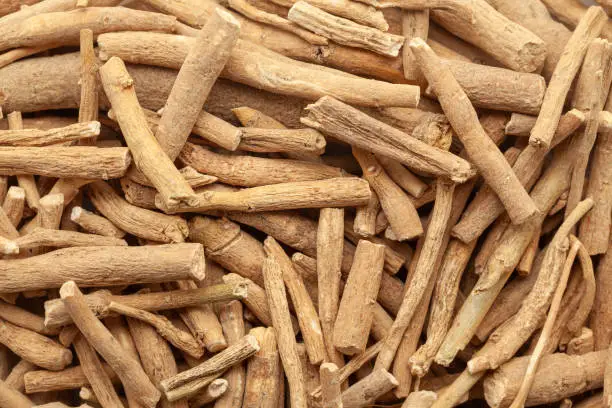
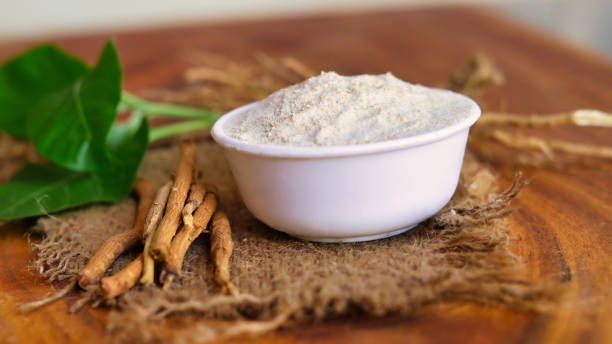
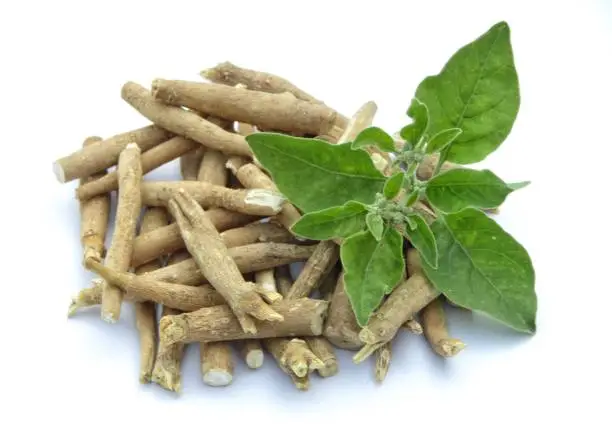
Ashwagandha (Withania somnifera) ek chhota sa shrub hai jiske peele flowers hote hain. Sanskrit mein iska matlab hai “ghode ki smell,” kyunki pehle mana jaata tha ki ise khane se ghode jaisi strength aur vitality milti hai.

Ayurveda mein ise use kiya jaata tha:

  • Energy aur stamina badhane ke liye
  • Stress aur anxiety kam karne ke liye
  • Sleep improve karne ke liye
  • Immunity strong banane ke liye

Ye sirf ek medicine nahi, balki daily life ka hissa tha.

Aaj Ashwagandha News mein Kyun Hai

Recently, Ashwagandha ko international recognition mili hai. WHO ke Global Traditional Medicine Summit mein ise highlight kiya gaya. COVID-19 pandemic ke time log natural remedies ki taraf gaye, aur Ashwagandha sabse trusted herbs mein se ek tha.

Ab scientists ise modern healthcare mein integrate karne ki research kar rahe hain. Is wajah se Ashwagandha ek household herb se global wellness product ban raha hai.

Rozmarra ke Simple Uses

Ashwagandha ki sabse badi strength hai uski simplicity. Aap ise easily apne meals mein add kar sakte ho:

  • Ashwagandha Milk: Raat ko sone se pehle warm milk mein ek spoon powder.
  • Breakfast Bowls: Smoothies ya oats mein thoda sa powder.
  • Homemade Ladoos: Ghee, jaggery aur dry fruits ke saath ladoos.
  • Rotis: Wheat flour mein powder mix karke chapati.

Ye adaptability Ashwagandha ko ek lifestyle ingredient banati hai.

Health Benefits

Modern research bhi Ayurveda ke claims ko support kar rahi hai. Kuch famous benefits:

  1. Stress Relief: Cortisol hormone kam karta hai, adaptogen kehlata hai.
  2. Better Sleep: Relaxation aur deep sleep promote karta hai.
  3. Immunity Boost: Body ko infections ke against strong banata hai.
  4. Energy & Stamina: Athletes ise endurance ke liye use karte hain.
  5. Brain Health: Memory aur focus improve karta hai.
  6. Blood Sugar Balance: Diabetes patients ke liye helpful ho sakta hai.
  7. Heart Health: Stress aur inflammation kam karke indirectly heart ko support karta hai.

Ashwagandha ki kahani sirf health tak limited nahi hai. Indian households mein grandmothers ise milk mein mix karke exams ke time bachchon ko deti thi. Mothers ise ladoos mein dalti thi taaki family strong rahe.

Ye chhoti chhoti acts of care dikhate hain ki Ashwagandha ek herb se zyada hai—ye ek tradition aur love ka symbol hai.

Modern Wellness Culture

Aaj wellness brands capsules, teas aur chocolates mein Ashwagandha bech rahe hain. Social media par ise “superfood” bola jaata hai. Lekin asli beauty ye hai ki aapko expensive supplements ki zarurat nahi. Ek simple spoon powder milk mein hi kaafi hai.

Precautions

  • Pregnant aur breastfeeding women doctor se consult karein.
  • Thyroid ya autoimmune conditions wale log medical advice lein.
  • Moderation zaruri hai—zyada consumption harmful ho sakta hai.

Past aur Future ka Bridge

Ashwagandha ek bridge hai jo tradition aur modern science ko connect karta hai. Ayurveda ki wisdom aur modern research dono ise valuable banate hain.

Conclusion

Ashwagandha humein sikhata hai ki wellness complicated nahi hona chahiye. Ek warm glass of milk, ek ladoo ya ek roti mein thoda sa powder hi kaafi hai. Ye herb humein remind karta hai ki health sirf medicine nahi, care aur connection bhi hai.

Ashwagandha ek plant se zyada hai—ye ek kahani hai resilience, tradition aur hope ki jo generations ko inspire karti hai.

“Muli ke Patte at Night – Kidney Health ke Secrets”

Kidney stones ek common health problem ban chuke hain aaj ke lifestyle mein. Zyada namak, processed food, dehydration aur sedentary habits kidney mein calcium aur uric acid ke crystals jama kar dete hain, jo baad mein stones ban jaate hain. Is condition mein diet kaafi important role play karti hai.

Ek interesting question jo aksar log puchte hain: “Kya muli ke patte (radish leaves) raat ko khana kidney stones ke liye beneficial hai?”. Is blog mein hum detail mein samjhenge ki muli ke patte ke nutrients kya hain, unke fayde kidney health ke liye kaise hain, aur raat ko khane se kya impact hota hai.

Nutritional Profile of Muli ke Patte

Muli ke patte ko aksar log ignore kar dete hain, par ye ek nutrient powerhouse hai.

  • Fiber – digestion improve karta hai aur toxins flush karne mein madad karta hai.
  • Vitamin C – antioxidant jo oxidative stress kam karta hai.
  • Calcium & Iron – bones aur blood health ke liye zaroori.
  • Antioxidants – free radicals ko neutralize karte hain aur kidney cells ko protect karte hain.

Ye sab nutrients kidney ko healthy rakhne mein madad karte hain aur stones ke risk ko kam karte hain.

Muli ke Patte aur Kidney Stones

Kidney stones tab bante hain jab urine mein minerals zyada concentrate ho jaate hain. Muli ke patte ke kuch properties is process ko slow kar sakte hain:

  • Natural Diuretic Effect – urine flow badhata hai, jisse small stones flush ho sakte hain.
  • Detoxification – liver aur kidney dono ko toxins se clean karta hai.
  • Anti-inflammatory Compounds – kidney mein irritation aur pain kam karte hain.

Regular consumption se kidney stones ke symptoms mild ho sakte hain, par ye ek supportive remedy hai, cure nahi.

Raat ko Muli ke Patte Khane ke Fayde

Ab sawal ye hai ki raat ko muli ke patte khana safe hai ya nahi.

  • Hydration Support – agar aap raat ko muli ke patte khate hain aur paani sahi amount mein lete hain, to ye kidney ko flush karne mein madad karega.
  • Digestive Aid – fiber digestion ko slow karta hai, jisse raat ko overeating ke baad bloating kam ho sakti hai.
  • Nutrient Absorption – raat ko khane se body ko rest ke dauran nutrients absorb karne ka time milta hai.

️ Possible Side Effects at Night

Har food ke kuch limitations hote hain, aur muli ke patte bhi isse alag nahi.

  • Gas aur Bloating – zyada quantity mein khane se raat ko indigestion ho sakta hai.
  • Cold Nature – muli ke patte thande nature ke hote hain, jo kuch logon mein discomfort create karte hain.
  • Overconsumption Risk – agar aap kidney stones ke patient hain, to doctor ki advice ke bina zyada intake avoid karna chahiye.

Moderation is the key. Raat ko thoda sa muli ke patte khana safe hai, par excess se bachna chahiye.

Best Ways to Consume Muli ke Patte

Aap raat ko muli ke patte ko alag-alag tarike se diet mein include kar sakte hain:

  1. Muli Patta Soup – light aur easy to digest.
  2. Muli Patta Paratha – thoda heavy hai, par moderation mein beneficial.
  3. Muli Patta Curry – dal ya sabzi ke saath mix karke.
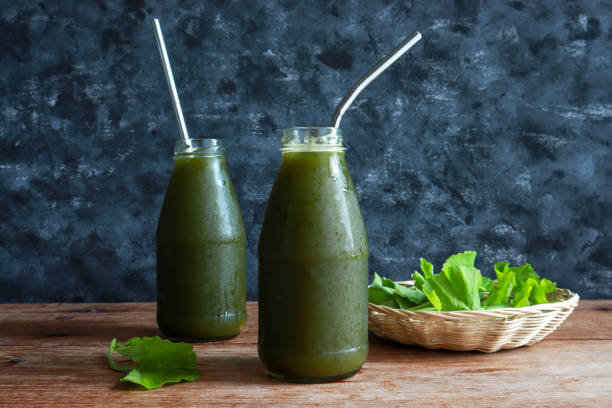
  4. Muli Patta Juice – detox drink ke roop mein.

Cooking se patte ka fiber soft ho jaata hai, jo digestion ke liye better hai.

Lifestyle Tips Alongside Muli ke Patte

Sirf muli ke patte khane se kidney stones cure nahi honge. Saath mein lifestyle changes bhi zaroori hain:

  • Daily 8–10 glasses paani piyein.
  • Processed aur salty foods kam karein.
  • Regular exercise karein.
  • Citrus fruits jaise lemon aur orange include karein.
  • Doctor ke regular check-ups karte rahein.

Conclusion

Muli ke patte ek underrated superfood hai jo kidney health ke liye kaafi faydemand ho sakta hai. Raat ko khane se bhi ye safe hai, bas moderation maintain karna zaroori hai. Ye patte urine flow badhate hain, toxins flush karte hain aur small stones ko breakdown karne mein madad karte hain.

Par yaad rakhein: muli ke patte ek supportive remedy hain, cure nahi. Agar aapko kidney stones hain, to doctor ki advice ke bina apni diet mein major changes na karein. Balanced diet, hydration aur medical guidance ke saath muli ke patte aapke kidney health journey mein ek natural support ban sakte hain.

6 Ways to Fix Fatty Liver with Ginger-Based Drinks:-

Fatty liver disease, especially non-alcoholic fatty liver disease (NAFLD), has become one of the fastest-growing lifestyle-related health concerns worldwide. Sedentary habits, processed foods, and excess sugar intake often lead to fat accumulation in the liver, impairing its ability to detoxify the body. While medical guidance is essential, natural remedies can play a supportive role. Among them, ginger-based drinks stand out for their antioxidant, anti-inflammatory, and metabolism-boosting properties.

Six powerful ginger-based drinks that can help support liver health, reduce fat buildup, and improve overall wellness.

1. Ginger Lemon Water – The Morning Detox

Starting your day with warm ginger lemon water is one of the simplest yet most effective remedies.

  • Why it works:
    • Ginger stimulates digestion and bile production.
    • Lemon provides vitamin C, which helps detoxify the liver.
    • Together, they boost metabolism and reduce oxidative stress.
  • How to prepare:
    • Boil a few slices of fresh ginger in water.
    • Add the juice of half a lemon.
    • Drink it warm on an empty stomach.

This drink acts as a gentle liver cleanser, flushing out toxins and preparing your digestive system for the day.

2. Ginger-Turmeric Tea – Anti-Inflammatory Powerhouse

Turmeric is known for its curcumin compound, which reduces inflammation and supports liver cell repair. When paired with ginger, the benefits multiply.

  • Why it works:
    • Both ginger and turmeric fight free radicals.
    • They reduce liver inflammation and improve enzyme activity.
    • Regular consumption may lower fat deposits in the liver.
  • How to prepare:
    • Boil ginger slices and turmeric root (or powder) in water.
    • Add a pinch of black pepper (to enhance curcumin absorption).
    • Drink warm, preferably after meals.

This tea is a golden elixir for those struggling with fatty liver and chronic inflammation.

3. Ginger-Cinnamon Tea – Balancing Blood Sugar

High blood sugar and insulin resistance are closely linked to fatty liver. Ginger and cinnamon together help regulate glucose levels.

  • Why it works:
    • Cinnamon improves insulin sensitivity.
    • Ginger enhances fat metabolism.
    • Together, they reduce fat storage in the liver.
  • How to prepare:
    • Boil ginger slices and a cinnamon stick in water.
    • Add a teaspoon of honey if desired.
    • Sip it warm in the evening.

This drink not only supports liver health but also curbs sugar cravings.

4. Ginger Mint Cooler – Refreshing Digestive Aid

A cool, refreshing drink that combines ginger’s heat with mint’s cooling effect.

  • Why it works:
    • Mint soothes the digestive tract.
    • Ginger stimulates enzyme activity.
    • Together, they improve bile flow and reduce bloating.
  • How to prepare:
    • Blend ginger juice with fresh mint leaves.
    • Add chilled water and a dash of lemon.
    • Serve cold, especially in summer.

This cooler is perfect for digestion and liver support after heavy meals.

5. Amla-Ginger Juice – Vitamin C Booster

Amla (Indian gooseberry) is a superfood rich in vitamin C and antioxidants. Combined with ginger, it becomes a potent liver tonic.

  • Why it works:
    • Amla regenerates liver cells.
    • Ginger reduces oxidative stress.
    • Together, they strengthen immunity and detoxify the body.
  • How to prepare:
    • Blend fresh amla with ginger and water.
    • Strain and drink immediately.
    • Optional: add a teaspoon of honey.

This juice is especially beneficial for those with early-stage fatty liver.

6. Ginger-Fennel Tea – Digestive & Detox Support

Fennel seeds are known for their digestive properties. When brewed with ginger, they create a soothing tea that aids fat digestion.

  • Why it works:
    • Fennel improves bile secretion.
    • Ginger enhances metabolism.
    • Together, they reduce bloating and support liver detox.
  • How to prepare:
    • Boil fennel seeds and ginger slices in water.
    • Strain and drink warm.
    • Best consumed after meals.

This tea is a gentle yet effective way to keep your liver healthy.

Lifestyle Tips Alongside Ginger Drinks

While ginger-based drinks are powerful, they work best when combined with healthy lifestyle changes:

  • Eat a balanced diet rich in whole grains, fruits, and vegetables.
  • Avoid excessive sugar, fried foods, and alcohol.
  • Exercise regularly to improve metabolism.
  • Stay hydrated to support detoxification.
  • Get regular medical check-ups for liver health.

Conclusion

Fatty liver disease is reversible with the right lifestyle choices. Ginger-based drinks offer a natural, accessible, and effective way to support liver health. From morning detox water to soothing teas and refreshing coolers, these remedies can be easily incorporated into daily routines.

Remember, these drinks are supportive remedies, not cures. Always consult a healthcare professional for personalized guidance. By combining medical advice with natural solutions like ginger, you can take proactive steps toward a healthier liver and a healthier life.

Exit mobile version