






Vitamin B12, also known as cobalamin, is a water-soluble vitamin that plays a crucial role in maintaining the health of your nervous system, brain function, and red blood cells. Unlike other vitamins, the human body cannot produce B12 naturally—it must be obtained from food or supplements. Deficiency can lead to fatigue, memory issues, and even serious neurological problems if left untreated.

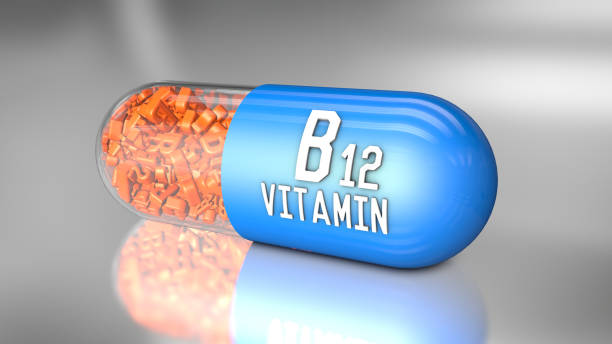
Why Vitamin B12 Matters
- Red Blood Cell Formation: B12 helps in the production of healthy red blood cells. Without it, cells become enlarged and dysfunctional, leading to megaloblastic anemia.
- DNA Synthesis: Along with folate (B9) and B6, B12 is essential for DNA creation, enabling cells to grow and divide properly.
- Nervous System Health: It maintains the protective covering (myelin sheath) around nerves, ensuring smooth communication between brain and body.
- Energy & Mood Regulation: Adequate B12 levels prevent fatigue and support neurotransmitter balance, reducing risks of depression and cognitive decline.
Sources of Vitamin B12
Natural Food Sources
- Animal Products: Meat (beef, chicken, liver), fish (salmon, tuna), eggs, and dairy are the richest sources.
- Fortified Foods: Plant-based eaters can rely on fortified cereals, soy milk, and nutritional yeast.
- Supplements: Available in tablets, capsules, and injections for those with absorption issues.
Vegetarian & Vegan Considerations
Since B12 is naturally found in animal products, vegans and vegetarians are at higher risk of deficiency. Fortified foods and supplements are essential for them.


Signs of Vitamin B12 Deficiency
Fatigue & Weakness:Due to reduced oxygen transport in the body.
Neurological Symptoms: Tingling in hands/feet, poor balance, memory loss.
- Mood Changes: Irritability, depression, or brain fog.
- Pale or Jaundiced Skin: Caused by abnormal red blood cell production.
- Glossitis (Inflamed Tongue): Painful swelling and redness of the tongue.
Who Is at Risk?
- Older Adults: Reduced stomach acid makes absorption harder.
- Vegans & Vegetarians: Lack of animal products in diet.
- People with Digestive Disorders: Conditions like Crohn’s disease or celiac disease affect absorption.
- Pregnant & Breastfeeding Women: Higher nutritional demands.
- Individuals on Certain Medications: Long-term use of antacids or metformin can lower B12 absorption.
Health Benefits of Adequate Vitamin B12
- Boosts Energy Levels: Prevents chronic fatigue.
- Supports Brain Health: Reduces risk of dementia and cognitive decline.
- Improves Heart Health: Helps lower homocysteine levels, reducing cardiovascular risks.
- Enhances Mood: Supports serotonin production, reducing depression symptoms.
- Promotes Healthy Pregnancy: Prevents birth defects by aiding DNA synthesis.

How Much Vitamin B12 Do You Need?
- Adults: Around 2.4 micrograms per day.
- Pregnant Women: 2.6 mcg/day.
- Breastfeeding Women: 2.8 mcg/day.
- Older Adults: May require higher intake due to absorption issues.
Practical Tips to Maintain Healthy B12 Levels
- Include Animal Products: If non-vegetarian, eat fish, eggs, and dairy regularly.
- Fortified Foods: Vegans should consume fortified cereals, soy milk, or nutritional yeast.
- Regular Testing: Especially for those at risk, a blood test can detect deficiency early.
- Supplements: Oral tablets or injections if diet alone isn’t sufficient.
- Balanced Diet: Combine B12-rich foods with folate and iron for maximum benefit.
“Daily Habits That Secretly Harm Your Heart:-“
Risks of Ignoring Deficiency
- Permanent Nerve Damage: Untreated deficiency can cause irreversible neurological issues.
- Anemia: Leads to extreme fatigue and weakness.
- Cognitive Decline: Increases risk of dementia and Alzheimer’s disease.
- Pregnancy Complications: Higher risk of birth defects and developmental delays.


Conclusion:-
Vitamin B12 is not just another nutrient—it’s a lifeline for energy, brain health, and overall vitality. Whether you’re a meat-eater or a vegan, ensuring adequate intake is crucial. Regular testing, mindful eating, and supplementation when necessary can protect you from the silent yet serious consequences of deficiency.
more inform:-newmobilephoneunder25k.de