

Protein shakes, powders, and bars are everywhere these days. Walk into a gym or scroll through fitness posts online, and you’ll see people sipping shakes or showing off their protein snacks. They’re marketed as quick fixes for strength, energy, and muscle growth.
But here’s the thing: Do we really need them? And are they safe for everyone? Let’s talk about it in plain, simple words.
Why Protein Is Important:-
Protein is like the building block of our body. Without it, we can’t grow, repair, or stay strong.
- It helps muscles grow and recover after workouts.
- It repairs tissues when we get injured.
- It supports hormones and enzymes that keep our body running.
- It can even provide energy when carbs and fats are low.
So yes, protein is super important. But that doesn’t mean everyone needs a scoop of powder every day.
Who Actually Needs Protein Supplements?:-
Supplements are not for everyone. They’re mainly useful for:
- Athletes and bodybuilders who train hard.
- Elderly people who face muscle loss.
- Patients recovering from surgery.
- People with medical protein deficiency.
If you’re a healthy adult eating dal, milk, curd, eggs, or meat regularly, you’re probably getting enough protein already.
The Risks of Overusing Protein Supplements:-
Here’s the part most ads don’t tell you. Overusing protein supplements can cause problems:
- Gut Issues: Too much protein powder can disturb gut bacteria and cause inflammation.
- Cancer Concerns: Some studies link heavy use of animal-based protein powders to colon cancer risk.
- Hidden Additives: Cheap powders often contain sugar, artificial flavors, and even heavy metals like lead or mercury.
- Kidney & Liver Strain: Extra protein puts pressure on kidneys and liver, leading to dehydration, acidity, and calcium loss.
- Muscle Growth Myth: More protein doesn’t mean faster muscles. Your body can only use a limited amount at a time.
Signs You’re Overdoing Protein:-
If you’re consuming too much, your body will give signals:
- Bloating or digestive discomfort
- Feeling tired often
- Headaches
- Dehydration
- Sudden mood or weight changes
10 Affordable Indian Vegan Protein Sources You Might Be Overlooking
Natural Protein Sources:-
Instead of relying on powders, try these everyday foods:
- Dal, beans, chickpeas
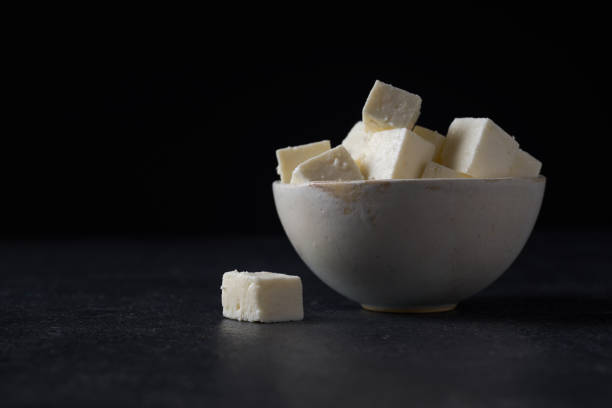
- Milk, curd, paneer
- Eggs
- Chicken, fish, mutton
- Almonds, peanuts, chia seeds
- Oats, quinoa, brown rice
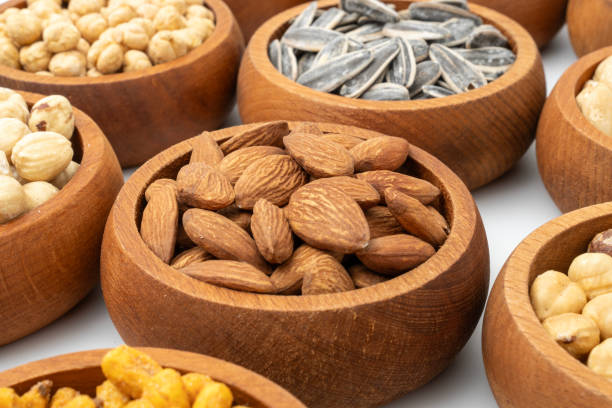
These foods give you protein plus vitamins, minerals, and fiber — something powders can’t match.
How to Choose Safe Supplements:-
If you really need supplements, be smart:
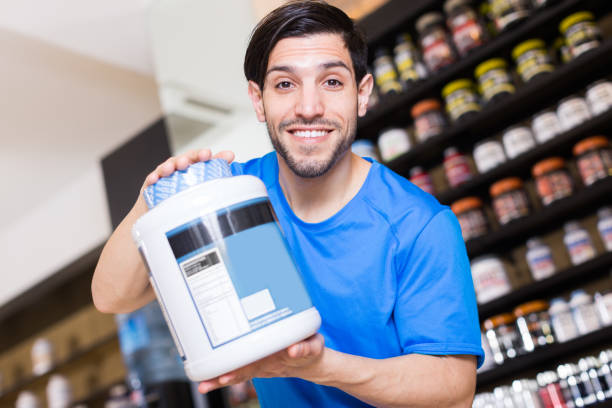
- Read the label carefully.
- Avoid products with too much sugar or artificial flavors.
- Pick certified brands.
- Talk to a doctor or dietician before starting.
- Use them in moderation, not as meal replacements.
Lifestyle Matters Too:-
Protein alone won’t make you healthy. You need:
- Regular exercise
- Proper sleep
- Enough water
- Balanced meals
Supplements can support you, but they can’t replace a healthy lifestyle.

Conclusion:-
Protein is essential, but supplements are not magic. For most people, natural food is enough. Supplements should be used only when truly needed, and always with care.
So next time you grab a protein shake, ask yourself: Do I really need this, or can my regular meal give me the same benefit?
Remember: Safe protein means smart choices. More protein doesn’t always mean more health.
more inform:- https://newmobilephoneunder25k.de