




High blood pressure, also called hypertension, is often known as the “silent killer.” It quietly damages the body without showing clear symptoms until serious problems appear. For many years, people believed that only very high blood pressure needed treatment. But new health guidelines from experts now say even mild high blood pressure should not be ignored. Early action can save lives, protect the heart and brain, and improve overall health.

What Is Blood Pressure?
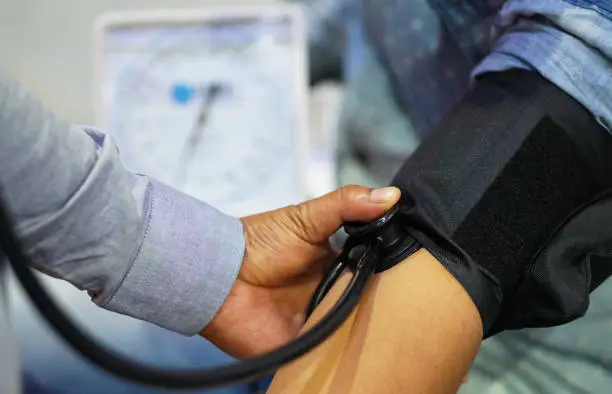
Blood pressure is the force of blood pushing against the walls of the arteries. It is measured with two numbers:
- Systolic pressure (top number): pressure when the heart beats.
- Diastolic pressure (bottom number): pressure when the heart rests between beats.
Normal blood pressure is less than 120/80 mm Hg. Anything higher can be a warning sign.
Categories of Blood Pressure
The new guidelines divide blood pressure into clear stages:
- Normal: Less than 120/80 mm Hg
- Elevated: 120–129 systolic and less than 80 diastolic
- Stage 1 Hypertension: 130–139 systolic or 80–89 diastolic
- Stage 2 Hypertension: 140/90 mm Hg or higher
Earlier, doctors often waited until Stage 2 before starting medicines. Now, experts say treatment should begin earlier, even at Stage 1, especially if other health risks are present.
Why Mild High Blood Pressure Matters
Many people think mild high blood pressure is not dangerous. But research shows it can still harm the body. Even small increases in pressure can:
- Strain the heart
- Damage blood vessels
- Increase risk of stroke
- Lead to kidney problems
- Speed up memory loss and dementia
Because these problems build slowly, people may not notice until it is too late. That is why early action is so important.

Lifestyle Changes: The First Line of Defense
The new guidelines stress that lifestyle changes are the best way to control blood pressure. Medicines help, but healthy habits are more powerful in the long run. Here are the main recommendations:
buy now:- https://amzn.to/3Mi3Mpt
1. Reduce Salt
Salt is a major cause of high blood pressure. Packaged foods, fried snacks, and restaurant meals often contain too much salt. Cutting down can make a big difference.
2. Eat More Fruits and Vegetables
Fresh fruits, vegetables, and whole grains provide potassium, fiber, and other nutrients that balance blood pressure.


3. Exercise Regularly
At least 30 minutes of physical activity most days of the week helps keep the heart strong and weight under control.
4. Maintain Healthy Weight
Extra weight puts stress on the heart. Losing even a few kilos can lower blood pressure.
5. Manage Stress
Stress raises blood pressure. Yoga, meditation, breathing exercises, or simply spending time in nature can calm the mind.
6. Limit Alcohol
Too much alcohol increases blood pressure. Moderation is key.
Smarter Tools for Personal Care
Doctors now use new tools like the PREVENT risk calculator. This tool estimates a person’s 10‑ and 30‑year risk of heart disease by looking at blood pressure, cholesterol, diabetes, and even social factors. It helps doctors give personalized advice instead of one‑size‑fits‑all treatment.
When Medicines Are Needed
Lifestyle changes are powerful, but sometimes medicines are necessary. The new guidelines suggest:
- Starting medicines earlier, even at Stage 1, if risks like diabetes or kidney disease are present.
- Using two medicines together for very high readings (140/90 mm Hg or above).
Common medicines include ACE inhibitors, ARBs, calcium channel blockers, and diuretics. For people with obesity and type 2 diabetes, newer drugs like GLP‑1 therapies may help in the future.
Special Focus on Women and Pregnancy
High blood pressure during pregnancy is dangerous for both mother and child. Conditions like preeclampsia can cause serious problems. The guidelines recommend:
- Careful monitoring during pregnancy
- Timely treatment
- In some cases, low‑dose aspirin to reduce risk
- Post‑pregnancy follow‑up, since blood pressure problems can continue after delivery
Why Early Action Protects the Brain
New research shows high blood pressure can speed up memory problems and increase risk of dementia. As life expectancy rises, protecting brain health becomes more important. Early diagnosis and treatment not only prevent heart attacks and strokes but also keep the mind sharp.
The Indian Context
In India, nearly 20 crore people have hypertension. Urban diets high in salt and fried foods, sedentary jobs, and stress are fueling the epidemic. The new guidelines are especially urgent here. Traditional practices like yoga and meditation can play a big role in managing stress and improving health.
Kidney Stones? Avoid These Everyday Foods to Maintain Healthy Kidneys
Practical Tips for Everyday Life
- Check blood pressure at home: Affordable monitors make it easy to track numbers.
- Cook at home: Use less salt and more fresh ingredients.
- Walk daily: Even short walks help.
- Sleep well: Poor sleep raises blood pressure.
- Stay connected: Talking with friends and family reduces stress.
Conclusion
High blood pressure is no longer a problem to ignore until it becomes severe. The new guidelines clearly say: act early, even with mild high BP. Lifestyle changes are the first step, medicines when needed, and personalized care for each person. Prevention, early detection, and treatment protect both heart and brain health.
By following these simple steps, we can reduce the risk of heart attacks, strokes, kidney failure, and dementia. The message is clear: don’t ignore even mild high blood pressure. Small changes today can lead to longer, healthier lives tomorrow.
moreinform;- https://newmobilephoneunder25k.de