






Kidneys are small bean‑shaped organs, but their role in our body is huge. They filter waste, balance water and minerals, and even help control blood pressure. When kidneys start to fail, the body gives us signals. Interestingly, many of these signals first show up in our hands and feet.
five important signs of kidney damage that appear in these areas.why they happen, how to notice them early, and why timely medical help is so important.


Why Kidneys Matter
Before diving into the signs, let’s quickly understand what kidneys do:
- Filter toxins: They remove waste products from blood.
- Balance fluids: They keep water, salt, potassium, and calcium in check.
- Produce hormones: They help in making red blood cells and controlling blood pressure.
When kidneys are damaged, these functions slow down. Waste and water start to build up, and the body reacts in visible ways.
1. Swelling in Hands, Feet, and Ankles
One of the earliest and most common signs of kidney damage is swelling.
- Why it happens: Kidneys fail to remove excess water and salt. This leads to fluid retention.
- How to notice: If pressing the swollen area leaves a dent (called “pitting edema”), it’s a warning sign.
- Impact: Swelling may start mild but can become severe, making shoes or rings tight.
Many people mistake swelling for tiredness or standing too long. But if it happens regularly, it’s worth checking your kidney health.
2. Muscle Strain and Cramps
Kidneys also balance electrolytes like calcium and phosphorus.
- When damaged: This balance breaks, leading to sudden cramps.
- Where it shows: Leg muscles are most affected.
- Experience: Pain can be sharp, unexpected, and disturbing at night.
Muscle cramps are common, but if they are frequent and severe, kidneys might be struggling.

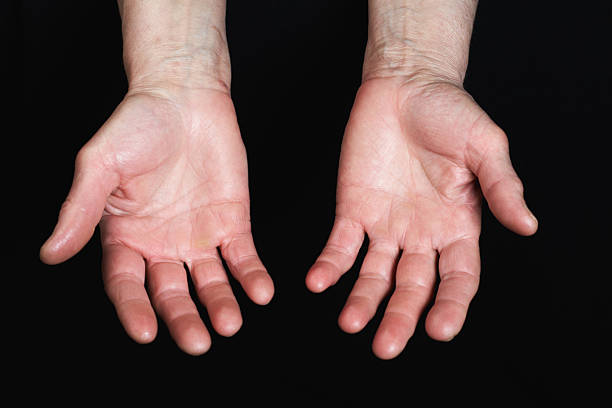
3. Itchy and Dry Skin
Skin problems are another hidden sign.
- Reason: Toxins that should be filtered by kidneys stay in the blood. They collect under the skin.
- Result: Intense itching, dryness, and rashes, especially on hands and feet.
- Extra clue: Moisturizers may not help because the root cause is internal.
If skin irritation is persistent and unexplained, it could be linked to kidney health.
4. Numbness or Tingling in Hands and Feet
Kidney damage can affect nerves, leading to peripheral neuropathy.
- Symptoms: Tingling, burning, or numbness in fingers and toes.
- Why it matters: It shows that toxins are harming nerve endings.
- Daily impact: Difficulty holding objects, walking, or even sleeping.
Many people confuse this with diabetes‑related nerve issues. But kidneys can also be the culprit.
Posted onEdit”“Smart Snacking: How Peanuts Protect Your Brain as You Age”:-“
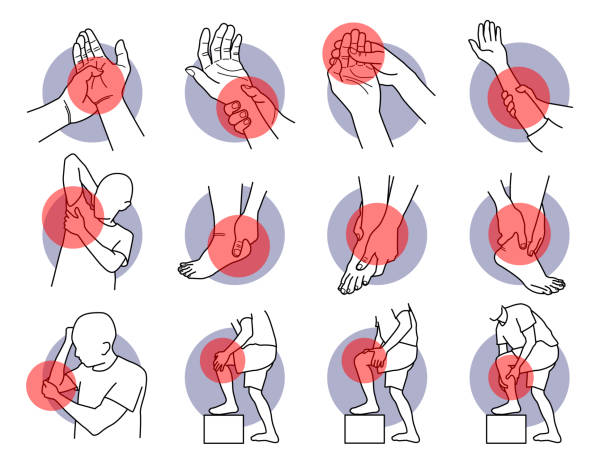
5. Leg Pain and Weakness
When toxins build up, they damage muscles and bones.
- Effect: Pain in legs, weakness, and reduced stamina.
- Long‑term risk: Bones may become fragile, increasing chances of fractures.
- Daily life: Simple tasks like climbing stairs or walking long distances feel harder.
This is not just tiredness. It’s a deeper sign that kidneys are not working properly

Why Early Detection Matters
Kidney disease is often called a “silent killer” because symptoms appear late. But hands and feet give us early clues. Detecting these signs early can:
- Prevent further damage.
- Allow treatment options like medicines, diet changes, or dialysis.
- Improve quality of life
What To Do If You Notice These Signs
- Consult a doctor immediately.
- Get tests done: Blood test (creatinine, urea), urine test, and ultrasound.
- Lifestyle changes: Reduce salt, drink enough water, avoid smoking and alcohol.
- Monitor blood pressure and sugar: Both are linked to kidney health.
Everyday Habits That Protect Kidneys
- Drink clean water.
- Eat fresh fruits and vegetables.
- Limit processed foods and excess protein.
- Exercise regularly.
- Avoid unnecessary painkillers (they can harm kidneys)


Motivational Note
Your body always tries to warn you. Swelling, cramps, itching, tingling, and weakness are not random. They are signals. Listening to them can save your kidneys and your life.
Kidney disease is treatable if detected early. Never ignore these signs, especially when they appear in your hands and feet.