





Water is often called the elixir of life. It fuels digestion, regulates body temperature, and helps flush toxins out of the body. But what if the very glass of water you drink daily is silently harming your liver? In countries like India, where waterborne diseases are common, unsafe drinking water has become a hidden threat to liver health. Contaminants such as viruses, bacteria, chemicals, and heavy metals can gradually weaken the liver’s ability to detoxify, leading to serious illnesses


The Hidden Dangers in Drinking Water
Unsafe water doesn’t always look dirty. Even crystal‑clear water can carry invisible threats:
- Viruses such as Hepatitis A and E.
- Bacteria like E. coli, Salmonella, and Typhoid.
- Parasites such as amoeba that cause liver abscesses.
- Heavy metals including mercury, lead, and arsenic from industrial waste.
https://newmobilephoneunder25k.de
These contaminants silently enter the body, accumulate, and overload the liver’s detoxification process.

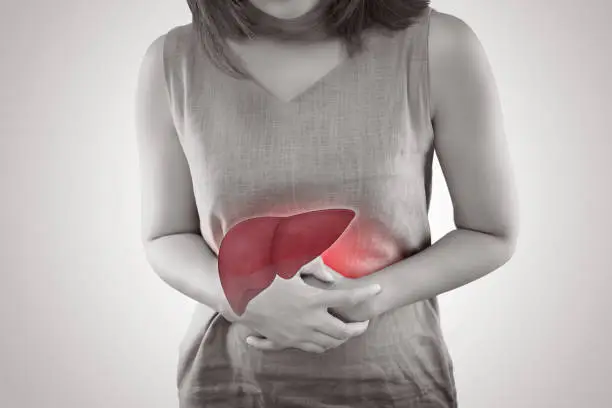
The Liver: Your Body’s Silent Guardian
Before diving into the risks, let’s understand the liver’s role.
- It detoxifies harmful substances.
- It processes nutrients from food and water.
- It regulates metabolism and energy.
- It helps in digestion by producing bile.
Think of the liver as your body’s natural filter. Every drop of water you drink eventually passes through this filter. If the water is contaminated, the liver bears the brunt of cleaning it up. Over time, this strain can lead to serious health issues.
Viral Infections: Hepatitis A & E
One of the most common liver threats from unsafe water is viral hepatitis.
- Hepatitis A and E spread through contaminated food and water.
- They cause swelling of the liver, leading to symptoms like yellow eyes, dark urine, fatigue, and abdominal swelling.
- While many patients recover naturally, severe cases can result in acute liver failure, which may be fatal.
The scary part? These infections often spread in communities where water storage and hygiene practices are poor.

Heavy Metals: The Silent Poison
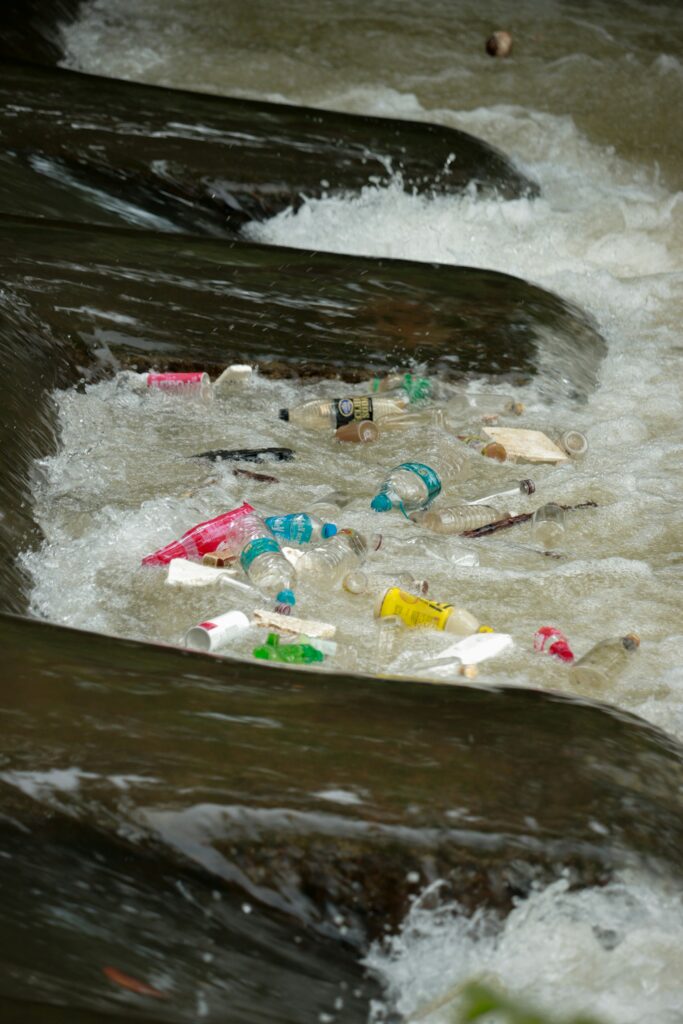
Industrial pollution is another hidden enemy. Waste from factories often seeps into rivers and groundwater, contaminating drinking supplies with heavy metals.
- Mercury damages liver cells and disrupts metabolism.
- Lead accumulates in tissues, causing chronic inflammation.
- Arsenic exposure is linked to liver disease and even cancer.
Unlike infections, heavy metal poisoning is slow and gradual. You may not notice symptoms until the damage is severe.
Bacterial and Parasitic Threats
Apart from viruses, bacteria and parasites also pose risks:
- E. coli and Salmonella can weaken the liver and digestive system.
- Typhoid bacteria spread through dirty water, adding stress to the liver.
- Amoebiasis, caused by parasites, can create abscesses in the liver, leading to pain and long‑term complications.
Even if these infections don’t cause complete liver failure, they compromise liver function and reduce its resilience.
Why the Liver Struggles
The liver is a robust organ—it can regenerate itself after injury. But continuous exposure to toxins, infections, and pollutants overwhelms its capacity.
- Chronic inflammation weakens its ability to heal.
- Repeated infections scar liver tissue.
- Heavy metals accumulate and cause irreversible damage.
When the liver collapses, the effects are disastrous: jaundice, fluid accumulation, confusion, and in extreme cases, death.
The Indian Context
In India, waterborne diseases are common due to:
- Poor sanitation in rural and urban areas.
- Improper storage of drinking water at home.
- Industrial waste contaminating rivers and groundwater.
- Limited awareness about water purification.
This makes safe drinking water not just a health choice, but a survival necessity.

Protecting Yourself: Practical Steps
Here are actionable ways to safeguard your liver and health:
- Boil water before drinking to kill bacteria and viruses.
- Use certified water filters that remove heavy metals and microbes.
- Avoid storing water in open containers where contamination can occur.
- Check local water quality reports if you rely on municipal supply.
- Promote community awareness about clean water practices.
Remember: every glass of safe water is an investment in long‑term health.
The Bigger Picture: Clean Water as a Right
Access to clean water is not just a personal responsibility—it’s a collective demand. Communities must push for:
- Better sewage and waste management.
- Stricter industrial pollution controls.
- Affordable water purification solutions.
- Public awareness campaigns about waterborne diseases.
Safe water is a non‑negotiable human right. Protecting it means protecting life itself.
Conclusion: Safeguard Your Health, Safeguard Your Future
Your liver works tirelessly to keep you healthy, but it cannot fight endless battles against contaminated water. By ensuring the water you drink is clean and safe, you protect not just your liver, but your overall well‑being.
So the next time you pour a glass of water, pause for a moment. Ask yourself: Is this water truly safe? Because in that answer lies the future of your health.
more inform about us:- https://newmobilephoneunder25k.de