






Our heart is the engine of our body. It works nonstop, pumping blood and keeping us alive. Yet many of us unknowingly put stress on this vital organ through small daily habits. These habits may look harmless, but over time they can damage the heart and increase the risk of serious health problems.
A cardiothoracic surgeon with more than 25 years of experience, recently shared his thoughts on this topic. He explained that smoking is the single worst habit for heart health, but there are also four everyday routines that quietly harm the heart. In this blog, we will explore these habits, understand why they are dangerous, and learn how to replace them with healthier choices.

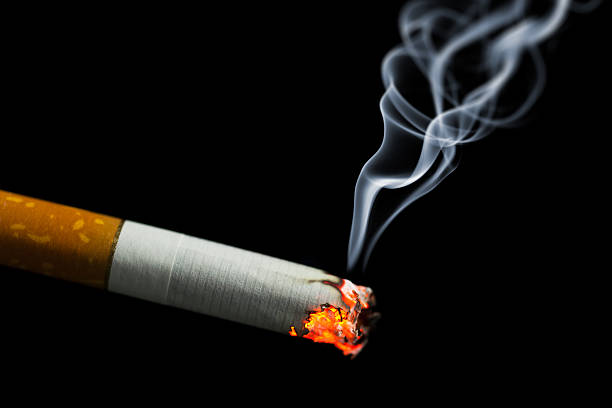
1. Smoking – The Silent Killer
Smoking is not just a bad habit; it is a direct attack on your heart and lungs. Every puff of smoke carries harmful chemicals that damage blood vessels, raise blood pressure, and reduce oxygen supply.
- Why it’s harmful:
- Nicotine increases heart rate and blood pressure.
- Carbon monoxide reduces oxygen in the blood.
- Tar and other chemicals damage arteries, leading to blockages.
- Long-term effects:
- Higher risk of heart attack and stroke.
- Chronic lung disease and cancer.
- Reduced life expectancy.
- Healthier alternative: Quitting smoking is the best gift you can give your heart. Replace the habit with deep breathing exercises, chewing sugar-free gum, or engaging in physical activity. Support groups and nicotine replacement therapies can also help.

2. Sitting Too Much
Modern life has made us more sedentary than ever. Long hours at a desk, watching TV, or scrolling on phones may feel relaxing, but sitting for extended periods is harmful to the heart.
- Why it’s harmful:
- Sitting reduces blood circulation.
- Muscles burn fewer calories, leading to weight gain.
- Increases risk of high cholesterol and diabetes.
- Long-term effects:
- Greater chance of heart disease.
- Weak muscles and stiff joints.
- Poor posture and back pain.
- Healthier alternative: Stand up and stretch every 30 minutes. Use a standing desk if possible. Walk during phone calls, take stairs instead of elevators, and include short exercise breaks in your routine.


3. Skipping Sleep
Sleep is not a luxury; it is a necessity. Many people sacrifice sleep for work, entertainment, or social media. But poor sleep habits can silently harm the heart.
- Why it’s harmful:
- Lack of sleep raises stress hormones.
- Increases blood pressure and heart rate.
- Weakens the immune system.
- Long-term effects:
- Higher risk of obesity and diabetes.
- Greater chance of heart attack and stroke.
- Mental health issues like anxiety and depression.
- Healthier alternative: Aim for 7–8 hours of quality sleep every night. Create a bedtime routine, avoid screens before sleep, and keep your bedroom dark and quiet. Good sleep is like medicine for your heart.


4. Eating Too Much Processed Food
Fast food, packaged snacks, and sugary drinks are convenient but harmful. They are loaded with salt, sugar, and unhealthy fats that strain the heart.
- Why it’s harmful:
- Excess salt raises blood pressure.
- Trans fats clog arteries.
- Added sugar increases risk of diabetes.
- Long-term effects:
- Obesity and metabolic syndrome.
- Heart disease and stroke.
- Reduced energy and poor digestion.
- Healthier alternative: Choose fresh fruits, vegetables, whole grains, and lean proteins. Drink water instead of soda. Cook at home whenever possible, and read food labels to avoid hidden sugars and salts.

5. Ignoring Stress
Stress is often seen as a mental issue, but it has a direct impact on the heart. Constant stress triggers the release of hormones like cortisol and adrenaline, which increase blood pressure and heart rate.
- Why it’s harmful:
- Stress narrows blood vessels.
- Increases risk of arrhythmia (irregular heartbeat).
- Weakens the immune system.
- Long-term effects:
- Chronic anxiety and depression.
- Greater chance of heart disease.
- Reduced quality of life.
- Healthier alternative: Practice meditation, yoga, or mindfulness. Spend time with loved ones, pursue hobbies, and take breaks from work. Managing stress is as important as managing diet and exercise.
Practical Tips to Protect Your Heart
- Walk at least 30 minutes daily.
- Drink plenty of water.
- Eat colorful fruits and vegetables.
- Limit alcohol and caffeine.
- Get regular health check-ups.
- Stay socially connected and positive.
Conclusion
Our heart is precious, and protecting it should be our top priority. Smoking, sitting too much, skipping sleep, eating processed food, and ignoring stress may look like small habits, but they silently harm the heart over time. By making conscious choices, we can avoid these traps and live a healthier, happier life.
Remember, prevention is always better than cure. Start today—take small steps, build better habits, and give your heart the care it deserves.
more inform:-newmobilephoneunder25k.de