
Important Facts About Vitamin B12 Deficiency:-

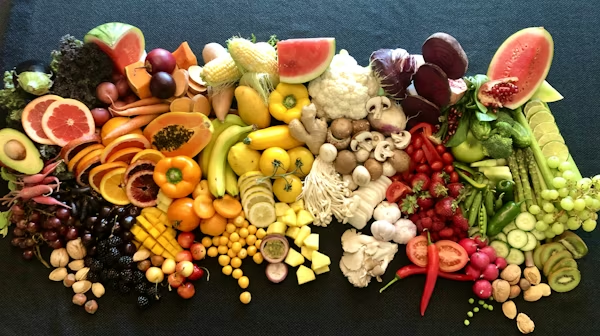
Vitamin B12 is one of the most essential nutrients for the human body. It plays a key role in making red blood cells, supporting the nervous system, and keeping our energy levels stable. Yet, many people around the world suffer from vitamin B12 deficiency without even realizing it. The symptoms can be subtle at first, but if ignored, they may lead to serious health problems.

The causes, symptoms, risk factors, and prevention strategies for vitamin B12 deficiency.

What is Vitamin B12?

  • Vitamin B12, also called cobalamin, is a water‑soluble vitamin.
  • It helps in the production of DNA and red blood cells.
  • It supports the brain and nervous system.
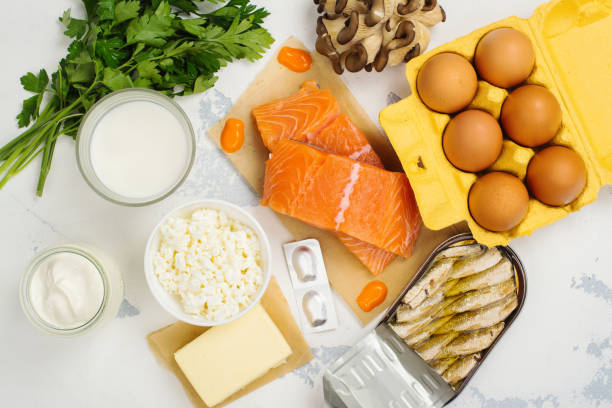
  • Unlike other vitamins, B12 is mainly found in animal‑based foods such as meat, fish, eggs, and dairy.

Why is Vitamin B12 Important?

  • Energy production: It helps convert food into energy.
  • Healthy blood: Prevents anaemia by supporting red blood cell formation.
  • Nervous system: Maintains nerve health and communication between brain and body.
  • Mental health: Supports memory, focus, and mood regulation.

Symptoms of Vitamin B12 Deficiency:-

Early Signs

  • Fatigue and weakness
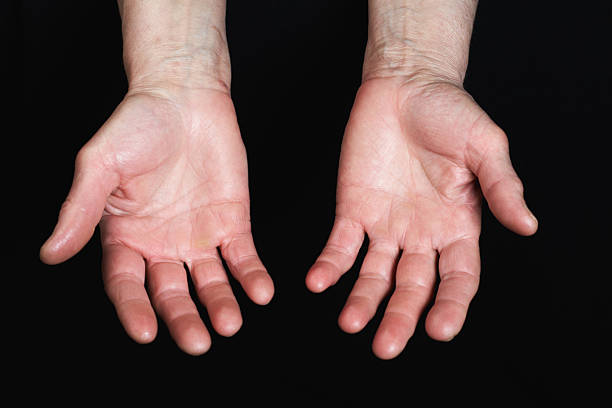
  • Pale or yellowish skin
  • Dizziness or breathlessness
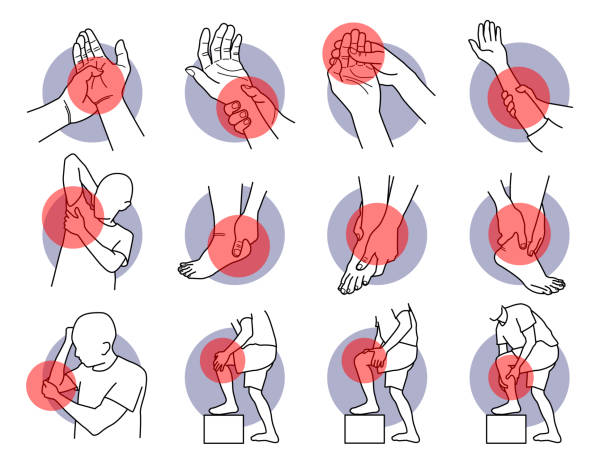
  • Tingling in hands and feet (pins and needles)
  • Loss of appetite

Advanced Symptoms

  • Numbness in toes or fingers
  • Difficulty walking or balancing
  • Memory problems and confusion
  • Mood swings, anxiety, or depression
  • Vision disturbances

Many of these symptoms are linked to nerve damage. If deficiency continues for a long time, the damage can become permanent.

Who is at Risk?

Certain groups of people are more likely to develop vitamin B12 deficiency:

  • Vegans and vegetarians: Since B12 is found mostly in animal products, plant‑based diets often lack it.
  • Older adults: With age, the stomach produces less acid, reducing absorption.
  • People with digestive disorders: Conditions like Crohn’s disease, coeliac disease, or IBS affect absorption.
  • Patients with stomach or intestinal surgery: Removal of parts of the digestive tract reduces B12 absorption.
  • Medication users: Long‑term use of acid‑reducing drugs or metformin can lower B12 levels.
  • Pregnant and breastfeeding women: Increased nutritional demand can lead to deficiency if diet is not balanced.

Causes of Vitamin B12 Deficiency:-

  • Poor diet: Lack of animal‑based foods.
  • Pernicious anaemia: An autoimmune condition that prevents absorption.
  • Alcohol dependence: Alcohol interferes with nutrient absorption.
  • Low stomach acid: Needed to release B12 from food.
  • Genetic factors: Some people naturally absorb less B12.

How is Deficiency Diagnosed?

  • Blood tests: Measure B12 levels.
  • Complete blood count (CBC): Detects anaemia.
  • Homocysteine and methylmalonic acid tests: High levels indicate deficiency.
  • Physical examination: Doctors check for neurological symptoms.

Treatment Options:-

  • Dietary changes: Include more meat, fish, eggs, and dairy.
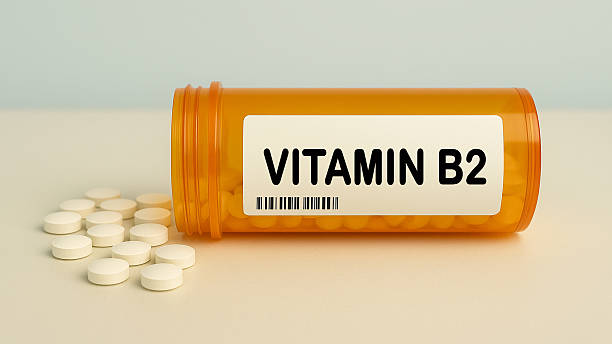
  • Supplements: Oral tablets or capsules.
  • Injections: For severe deficiency, doctors prescribe B12 injections.
  • Fortified foods: Plant‑based milk, cereals, and nutritional yeast often contain added B12.

Long‑Term Effects if Ignored:-

  • Permanent nerve damage
  • Severe anaemia
  • Memory loss and dementia‑like symptoms
  • Heart problems due to high homocysteine levels
  • Reduced quality of life

Prevention Tips:-

  • Eat a balanced diet with B12‑rich foods.
  • Vegans should take supplements or fortified foods.
  • Get regular health check‑ups, especially if you are in a high‑risk group.
  • Limit alcohol consumption.
  • Discuss with your doctor if you are on long‑term medication.

Real‑Life Example:-

Imagine a young professional who feels tired all the time. She blames her busy schedule, but later discovers she has vitamin B12 deficiency. With supplements and diet changes, her energy returns, and her concentration improves. This shows how important it is to listen to your body’s signals.

Quick Checklist

  • Constant fatigue?
  • Tingling in toes or fingers?
  • Pale skin or dizziness?
  • Memory lapses or mood swings?

If yes, consult a doctor and check your B12 levels.

Conclusion:-

Vitamin B12 deficiency is common but often overlooked. The symptoms may start small, like tiredness or tingling in the toes, but they can grow into serious health issues if ignored. The good news is that deficiency is preventable and treatable. With a balanced diet, supplements when needed, and regular check‑ups, you can protect your health and energy.

Your Heart Could Be Warning You at Night:-

Raat ke time jab sab kuch shaant hota hai, hum apne body ke signals ko zyada clearly feel karte hain. Din bhar ki bhaag-daud mein jo chhoti-chhoti discomforts ignore ho jaati hain, woh raat ko loud ho jaati hain. Aur sabse important organ — heart — apne warning signals isi waqt dena shuru karta hai. Is blog mein hum detail mein samjhenge ki raat ke waqt heart ke symptoms kyun noticeable hote hain, unka science kya hai, aur kaise aap apne lifestyle ko improve karke apne dil ko healthy rakh sakte ho.

Why Heart Symptoms Show Up at Night:-

  • Shaanti ka effect: Din mein distractions hote hain — kaam, phone, social media. Raat ko jab silence hota hai, toh chest pain, palpitations ya breathlessness zyada feel hoti hai.
  • Lying down position: Jab hum flat softe hain, blood flow aur pressure lungs aur heart par badh jaata hai. Isse shortness of breath ya heaviness feel ho sakti hai.
  • Hormonal changes: Raat ke time cortisol aur adrenaline levels shift hote hain. Yeh hormones heart rhythm aur blood pressure ko affect karte hain.
  • Sleep apnea: Agar kisi ko sleep apnea hai, toh raat ko oxygen levels drop hote hain, jo heart ko stress dete hain

Common Nighttime Heart Warnings:-

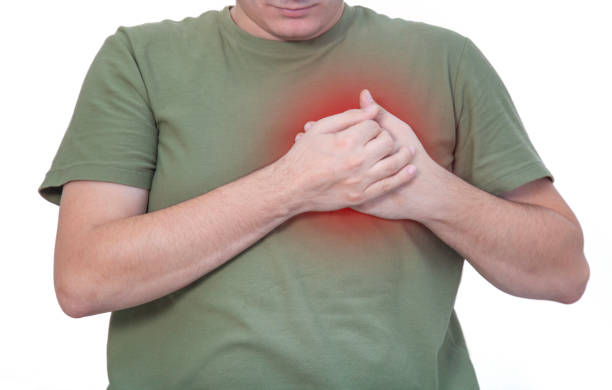
  • Chest tightness ya pain
  • Palpitations (dil tez dhadakna)
  • Breathlessness jab aap flat softe ho
  • Sudden sweating ya anxiety
  • Swelling in legs/ankles (fluid retention)

Yeh sab signals ignore nahi karne chahiye. Agar frequently ho rahe hain, toh doctor consult zaroor karo.

Sunlight & Cholesterol Connection:-

Ek interesting fact yeh hai ki din ke time sunlight exposure heart health ko indirectly support karta hai. UVB rays cholesterol ko vitamin D mein convert karte hain. Vitamin D bones ke liye hi nahi, heart ke liye bhi crucial hai.

  • 15–20 minutes sunlight exposure 2–3 times per week is enough.
  • Ek Indian study ne prove kiya tha ki sunlight se vitamin D aur cholesterol balance supplements se better improve hota hai.
  • Lekin overexposure harmful hai — sunscreen aur moderation zaroori hai.

Lifestyle Hacks for Heart Health:-

  • Balanced diet: Oats, walnuts, flax seeds, aur seasonal fruits include karo.
  • Exercise: 30 minutes brisk walk ya yoga daily.
  • Stress management: Meditation, deep breathing, aur hobbies.
  • Sleep hygiene: 7–8 hours quality sleep, avoid late-night junk food.
  • Regular check-ups: Blood pressure, cholesterol, aur sugar test karte raho.

story:-

Imagine karo: Ravi, ek 35-year-old IT professional, din bhar laptop ke saamne baitha rehta hai. Din mein woh apne chest mein thoda heaviness feel karta hai, but ignore kar deta hai. Raat ko jab woh bed par jaata hai, suddenly usse lagta hai ki dil tez dhadak raha hai aur saans lene mein problem ho rahi hai. Yeh ek classic warning sign hai jo heart de raha hai. Agar Ravi timely doctor ko consult kare, toh woh apni lifestyle aur medication se apne dil ko protect kar sakta hai. Lekin agar ignore kare, toh risk badh jaata hai.

Quick Checklist

  • Raat ko chest pain = Alert
  • Breathlessness while lying down = Alert
  • Frequent palpitations = Alert
  • Swelling in feet = Alert
  • Consult doctor if repeated

Conclusion:-

Heart ek silent warrior hai jo din bhar aapko chalata hai. Lekin raat ke time agar woh signals de raha hai, toh unhe ignore mat karo. Lifestyle changes, timely medical check-ups, aur sunlight exposure jaise simple habits se aap apne dil ko healthy rakh sakte ho.

4 Vegetarian Things Rich in Vitamin D That Will Make Bones as Strong as Iron

Bones are the foundation of our body. They give us strength, support, and the ability to move freely. But bones are not just hard structures; they are living tissues that need proper nutrition to stay strong. One of the most important nutrients for bone health is Vitamin D. Without enough Vitamin D, our body cannot absorb calcium properly, and weak bones become a serious risk.

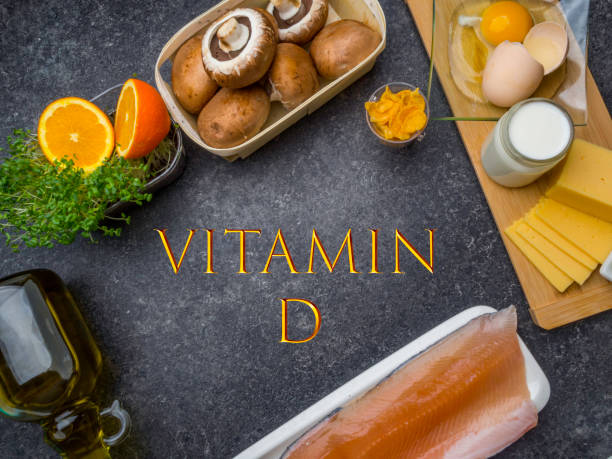
Most people think Vitamin D only comes from sunlight or non‑vegetarian foods like fish and eggs. But the truth is, vegetarians also have powerful sources of Vitamin D that can make bones “as strong as iron.” In this blog, we will explore four vegetarian foods rich in Vitamin D, explain how they benefit your body, and show you how to include them in your daily diet.

Why Vitamin D Matters

  • Helps absorb calcium: Vitamin D allows the body to use calcium effectively, which is essential for bone strength.
  • Prevents diseases: Deficiency can cause rickets in children and osteoporosis in adults.
  • Supports immunity: Vitamin D boosts the immune system, helping fight infections.
  • Improves mood: Studies show Vitamin D deficiency is linked to depression and fatigue.

In short, Vitamin D is not just about bones—it is about overall health.

1. Milk – The Classic Vegetarian Source

Milk has been called a “complete food” for centuries. It is one of the best vegetarian sources of Vitamin D.

Benefits:

  • Provides Vitamin D naturally or through fortification.
  • Rich in calcium, protein, and potassium.
  • Strengthens bones, teeth, and muscles.
  • Easy to include in daily diet—morning tea, coffee, or a glass before bed.

How to Use:

  • Drink one glass of milk daily.
  • Use milk in smoothies, porridge, or oats.
  • Choose fortified milk brands for extra Vitamin D.

Milk is simple, affordable, and effective for bone health.

2. Dairy Products – Curd, Paneer, Buttermilk

Dairy products are versatile and delicious. They provide Vitamin D along with other essential nutrients.

Benefits:

  • Curd improves digestion and gut health.
  • Paneer is rich in protein and calcium.
  • Buttermilk keeps the body cool and aids digestion.
  • All these contain Vitamin D, which supports bone strength.

How to Use:

  • Eat curd with lunch or dinner.
  • Add paneer to curries, salads, or sandwiches.
  • Drink buttermilk during summer for hydration.

Dairy products are everyday foods that make bones stronger without much effort.

3. Mushrooms – Nature’s Vitamin D Store

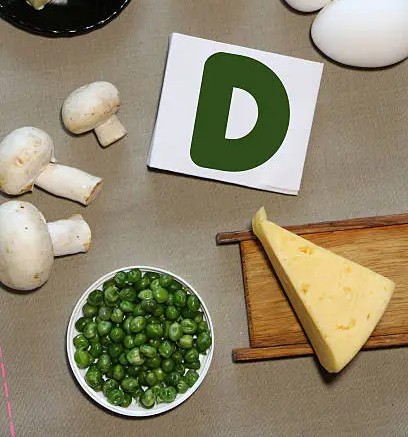
Mushrooms are unique because they absorb sunlight and produce Vitamin D, just like humans.

Benefits:

  • Rich in Vitamin D2, which helps overall Vitamin D levels.
  • Low in calories, high in fiber.
  • Contains antioxidants that protect cells.
  • Supports immunity and bone health.

Posted onEdit”“14 Din Sugar Free Challenge: Experts Explain Health Benefits””

How to Use:

  • Cook mushrooms in curries, stir‑fries, or soups.
  • Grill or sauté them for snacks.
  • Expose mushrooms to sunlight for a few hours before cooking to increase Vitamin D content.

Mushrooms are a vegetarian superfood that can easily fit into any diet.

4. Fortified Soya Tofu – Plant-Based Power

Tofu is made from soybeans and is often fortified with Vitamin D. It is a great option for vegans and vegetarians.

Benefits:

  • Provides Vitamin D along with protein and calcium.
  • Low in fat, high in plant-based nutrition.
  • Helps in weight management and muscle building.
  • Supports bone density and reduces fracture risk.

How to Use:

  • Add tofu to stir‑fries, salads, or curries.
  • Grill tofu for a healthy snack.
  • Use tofu as a substitute for paneer in recipes.

Fortified tofu is modern, healthy, and perfect for those who want plant-based strength.

⚠️ What Happens If You Lack Vitamin D?

  • Children: Weak bones, stunted growth, frequent fractures.
  • Adults: Osteoporosis, muscle weakness, joint pain.
  • General health: Fatigue, low immunity, mood swings.

Deficiency is common in people who avoid sunlight or eat poor diets. That is why including Vitamin D foods is essential.

How to Include These Foods Daily

  • Morning: A glass of milk or fortified soy milk.
  • Lunch: Curd with rice or chapati.
  • Evening: Mushroom soup or stir‑fried tofu.
  • Dinner: Paneer curry or tofu salad.

This simple plan ensures you get Vitamin D every day without stress.

Real-Life Impact

People who add these foods to their diet often report:

  • Stronger bones and fewer joint pains.
  • Better energy levels.
  • Improved digestion and immunity.
  • Clearer skin and healthier nails.

These small changes create big results over time.

Mindset Matters

Eating Vitamin D foods is not just about nutrition—it is about discipline. When you choose healthy options daily, you build habits that protect your future. Strong bones mean freedom to move, play, and live without fear of fractures or weakness.

Conclusion

Vitamin D is the sunshine nutrient that keeps bones strong. For vegetarians, milk, dairy products, mushrooms, and fortified tofu are powerful sources. Including them in your diet can make your bones “as strong as iron” and improve overall health.

Remember, health is not built in one day. It is built through consistent choices. By adding these four foods to your daily routine, you give your body the strength it deserves.

So, start today. Drink that glass of milk, enjoy curd with lunch, cook mushrooms for dinner, and try tofu in your recipes. Your bones will thank you, and your future self will be stronger, healthier, and happier.

;-

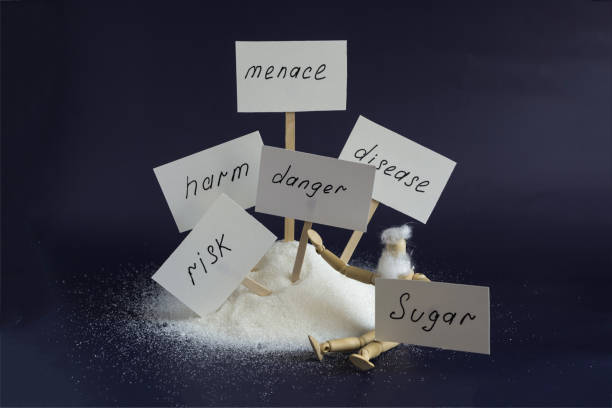
“14 Din Sugar Free Challenge: Experts Explain Health Benefits”

Sugar humari daily life ka ek bada hissa ban chuka hai. Chai ke saath biscuit, cold drink, mithai, bakery items – everywhere sugar hi sugar. Lekin agar aap decide karo ki 14 din ke liye sugar ko apni diet se hata doge, toh kya hoga? Experts kehte hain ki sirf do hafte mein hi aapke body aur mind mein noticeable changes aate hain.

sugar skip karne se kya hota hai, kaise aapke metabolism reset hota hai, aur kyun yeh chhota sa challenge long‑term health ke liye ek bada step ban sakta hai.

Sugar Problem Kyun Hai?

  • Hidden sugar: Sirf mithai ya dessert mein hi nahi, sauces, breads, cereals, aur “healthy” drinks mein bhi sugar hota hai.
  • Empty calories: Energy toh milti hai, lekin vitamins, minerals ya fiber zero.
  • Health risks: Obesity, diabetes type 2, fatty liver aur heart disease se direct link.
  • Addiction jaisi craving: Sugar dopamine release karta hai, jo brain ko aur zyada sugar demand karne par majboor karta hai.

Doctors kehte hain ki sugar hunger signals ko confuse karta hai, cravings badhata hai, aur liver ko fat store karne par majboor karta hai.

14 Din Ka Journey Without Sugar

Days 1–3: Tough Start

  • Sweet cravings bahut strong hoti hain.
  • Headache, fatigue, irritability, mood swings common hote hain.
  • Focus karna mushkil lagta hai, brain fog feel hota hai.
  • Yeh withdrawal symptoms hain jo dikhate hain ki body sugar pe kitni dependent ho gayi hai.

Days 4–7: Adjustment Phase

  • Energy levels stable hone lagte hain.
  • Cravings kam ho jaati hain.
  • Afternoon slump aur bloating kam ho jaata hai.
  • Appetite par control feel hota hai.

Days 8–14: Metabolic Reset

  • Stomach flatter lagta hai, water retention aur inflammation kam ho jaata hai.
  • Fasting glucose improve hota hai, metabolism efficient ho jaata hai.
  • Hunger cues clearer ho jaate hain – aap sirf jab hungry ho tab khate ho.
  • Sleep quality better ho jaati hai.

Benefits After Two Weeks

  1. Better Blood Sugar Control – Insulin spikes kam hote hain, diabetes risk reduce hota hai.
  2. Improved Liver Health – Liver fat kam store karta hai.
  3. Taste Bud Reset – Sweet foods ab zyada meetha lagta hai, cravings naturally kam ho jaati hain.
  4. Weight Management – Cravings kam hone se weight control easy ho jaata hai.
  5. Better Sleep & Mood – Stable energy se irritability kam hoti hai, sleep cycle improve hota hai.
  6. Healthy Habits – Once benefits feel hote hain, long‑term healthy eating easy ho jaata hai.

Science Bhi Kehta Hai

Research confirm karta hai ki sugar intake kam karne se chronic diseases ka risk kam hota hai.

  • Energy steady rehti hai.
  • Dental health better hoti hai.
  • Hormonal balance aur appetite control reset ho jaata hai.

Important: Yeh challenge added sugar ke liye hai, fruits aur natural carbs ke liye nahi. Fruits mein fiber aur antioxidants hote hain jo health ke liye zaroori hain.

Kaise Start Karein 14-Day No Sugar Challenge

  1. Labels padho: Packaged foods mein hidden sugars dhundo.
  2. Whole foods choose karo: Fruits, veggies, nuts, whole grains.
  3. Water pe focus karo: Soda aur sweetened juices replace karo.
  4. Healthy snacks ready rakho: Roasted chana, peanuts, fruits.
  5. Home cooking: Ingredients par control milta hai.
  6. Motivation maintain karo: Benefits yaad rakho – energy, clear skin, better health.

Cravings Beat Karne Ke Tips

  • Protein-rich foods (eggs, dal, yogurt) khana.
  • Distraction: Walk, music, reading.
  • Sugar-free gum chew karna.
  • Proper sleep lena.

Real-Life Impact

Log jo yeh challenge try karte hain, report karte hain:

  • 2–3 kg weight loss bina strict dieting.
  • Workout mein zyada energy.
  • Bloating kam aur skin clearer.
  • Food choices par better control.

Mindset Matters

Sugar skip karna sirf physical health ka matter nahi hai. Yeh ek mental strength ka test bhi hai. Jab aap cravings resist karte ho, toh apne aapko prove karte ho ki aap habits control kar sakte ho. Yeh confidence life ke aur areas mein bhi help karta hai.

Conclusion

Sirf 14 din ke liye sugar skip karna ek powerful step hai. Energy stable hoti hai, cravings kam hoti hain, sleep better hoti hai, aur metabolism strong ho jaata hai. Experts kehte hain ki yeh ek reset button jaisa hai jo aapke health ko long‑term improve karta hai.

Goal perfection nahi hai, progress hai. Agar slip ho bhi jaaye toh dobara track par aana hi success hai. Try karo 14-day no sugar challenge aur khud difference feel karo.

“5 Silent Warnings Your Heart Gives Before Blockage”

The human heart is one of the most hardworking organs in our body. It beats non‑stop, pumping blood and oxygen to every cell. But like any machine, it can face problems if not cared for. One of the most serious issues is blockage in the heart’s blood vessels, also called coronary artery disease. This condition can lead to heart attacks and other life‑threatening problems.

The good news is that the heart often gives us early warning signs before things get worse. Sadly, many people ignore these signals, thinking they are minor or temporary. In this blog, we will discuss the five main warnings that the heart gives before getting blocked. Understanding these signs can save lives.

1. Chest Pain or Pressure

  • Chest pain is the most common warning sign.
  • It may feel like heaviness, tightness, burning, or pressure in the chest.
  • This pain often comes when walking fast, climbing stairs, or doing physical work.
  • It may reduce when you rest.

Doctors call this angina. It happens because the heart is not getting enough blood supply. Ignoring chest pain can be dangerous because it may lead to a heart attack.

2. Shortness of Breath

  • If you feel breathless even while doing light activities, it can be a warning.
  • Walking a short distance, talking, or climbing a few steps may make you feel tired.
  • This happens because blocked arteries reduce oxygen supply to the heart.

Many people think breathlessness is due to age or lack of fitness. But if it happens suddenly or regularly, it should not be ignored.

3. Unusual Fatigue

  • Feeling tired all the time, even without heavy work, is another sign.
  • Women often experience this symptom more than men.
  • Fatigue occurs because the heart is struggling to pump blood properly.

If you feel drained of energy, even after good sleep, it may be your heart warning you.

4. Swelling in Feet or Ankles

  • Swelling in the lower body can be linked to heart problems.
  • When the heart does not pump blood efficiently, fluid collects in tissues.
  • This swelling is called edema.

Many people ignore swelling, thinking it is due to standing for long hours. But if it happens regularly, it may be related to heart health.

5. Irregular Heartbeat

  • A racing, pounding, or irregular heartbeat can be a warning.
  • Sometimes the heart skips beats or beats too fast.
  • This condition is called arrhythmia.

It may feel like fluttering in the chest. While stress or caffeine can cause temporary changes, frequent irregular heartbeat should be checked by a doctor.

Why Ignoring These Signs Is Costly

Ignoring these warnings can lead to:

  • Heart attack
  • Stroke
  • Permanent damage to heart muscles
  • Expensive medical treatments
  • Risk to life

Early detection and treatment are always cheaper and safer than emergency care.

How to Protect Your Heart

Here are some simple lifestyle tips:

  • Eat a balanced diet with fruits, vegetables, whole grains, and lean proteins.
  • Avoid excess salt, sugar, and fried foods.
  • Exercise at least 30 minutes daily (walking, cycling, yoga).
  • Quit smoking and limit alcohol.
  • Manage stress through meditation, hobbies, or spending time with loved ones.
  • Get regular health check‑ups, especially after age 40.

Conclusion

The heart is our lifeline. It gives us clear signals when something is wrong. Chest pain, shortness of breath, fatigue, swelling, and irregular heartbeat are not small issues. They are warnings that should never be ignored.

Listening to your heart and taking timely action can save you from costly treatments and painful experiences. Remember, prevention is always better than cure. Take care of your heart today, and it will take care of you for a lifetime.

5 Foods That Can Help Reduce Heart Blockages and Repair Blood Vessels:-

Heart disease aaj ke time mein ek global health challenge ban chuka hai. Blocked arteries aur damaged blood vessels ki wajah se heart attack aur stroke ka risk badh jaata hai. Doctors hamesha kehte hain ki prevention is better than cure. Aur prevention ka sabse bada tool hai – healthy lifestyle aur right diet.

Ye foods koi magic cure nahi hain, but agar aap unhe apni daily diet ka part banate ho, toh long-term mein aapke heart ko strong aur healthy banane mein help milti hai.

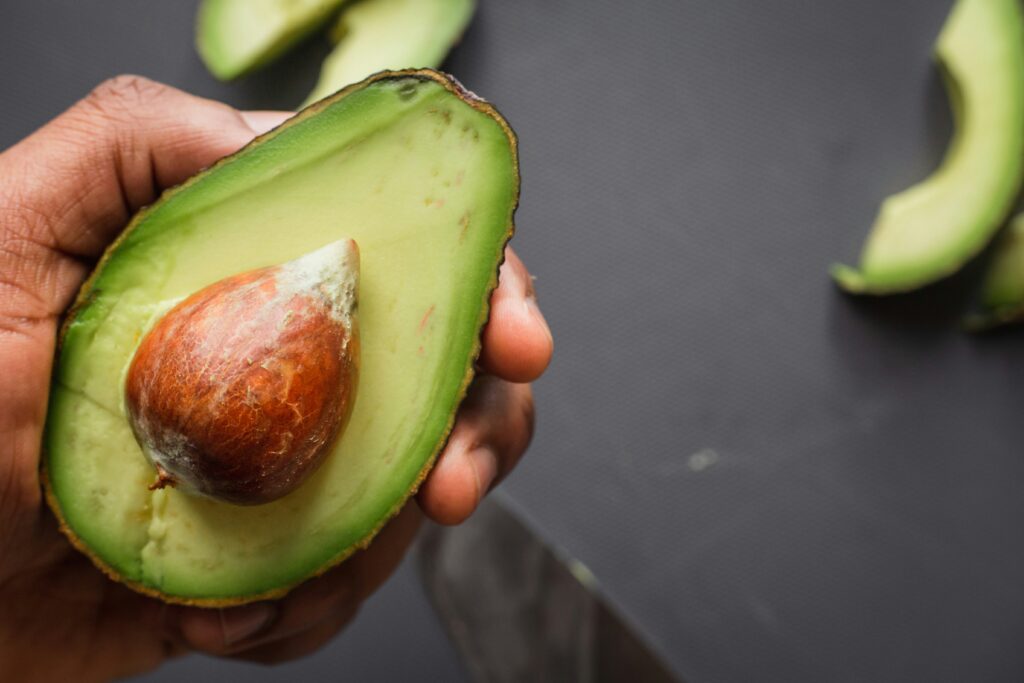
1. Avocado – Healthy Fats ka Superhero:-

Avocado ko log “green butter” bhi kehte hain. Ye fruit monounsaturated fats se loaded hota hai jo bad cholesterol (LDL) ko kam karta hai aur good cholesterol (HDL) ko badhata hai.

Kaise help karta hai?

  • Arteries mein plaque formation ko slow karta hai.
  • Blood vessels ki elasticity improve karta hai.
  • Potassium rich hone ki wajah se blood pressure control mein rakhta hai.

Breakfast mein avocado toast try karo ya salad mein cubes add karo. Thoda lemon aur black pepper sprinkle karke ek tasty aur heart-friendly snack ban jaata hai.

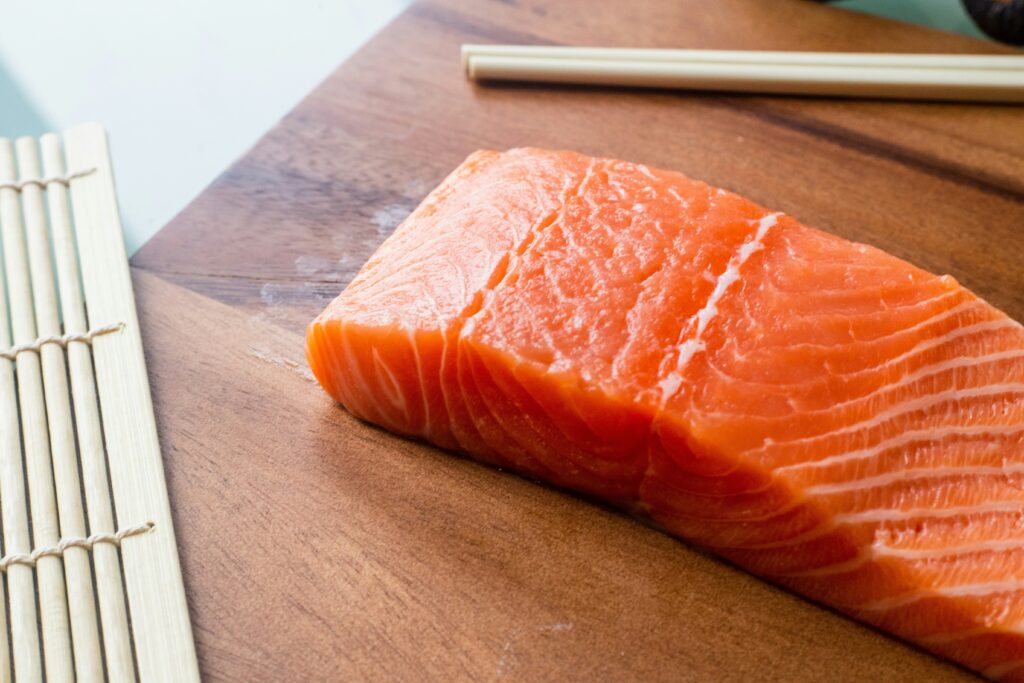
2. Fatty Fish – Omega-3 Powerhouse:-

Salmon, mackerel, sardines aur tuna jaise fatty fish omega-3 fatty acids se bharpoor hote hain. Omega-3 ek aisa nutrient hai jo inflammation ko kam karta hai aur arteries ko clean rakhta hai.

  • Benefits for Heart:
    • Triglyceride levels ko reduce karta hai.
    • Blood clotting ka risk kam karta hai.
    • Heart rhythm ko stable rakhta hai.

Agar aap non-vegetarian ho toh week mein 2-3 times fatty fish include karo. Aur agar vegetarian ho toh flax seeds aur chia seeds omega-3 ke plant-based sources hain.

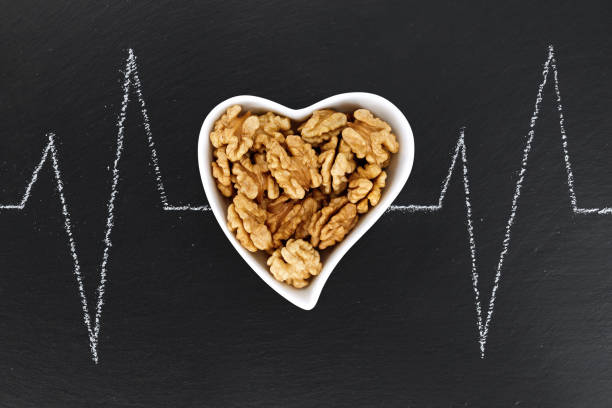
3. Walnuts – Crunchy Heart Protectors:-

Walnuts ek nut hai jo brain aur heart dono ke liye beneficial hai. Ye polyunsaturated fats, omega-3 aur antioxidants ka rich source hai.

  • Kaise kaam karta hai?
    • LDL cholesterol ko kam karta hai.
    • Blood vessels ke lining ko repair karta hai.
    • Inflammation ko reduce karta hai jo blockages ka main cause hota hai.

Daily 4-5 soaked walnuts khana ek simple aur powerful habit hai. Isse memory bhi sharp hoti hai aur heart bhi strong.

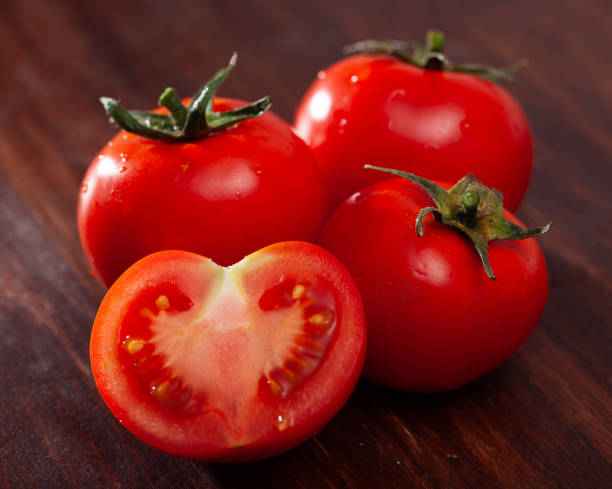
4. Tomatoes – Lycopene Rich Superfood:-

Tomatoes mein ek powerful antioxidant hota hai – lycopene. Ye antioxidant free radicals ko neutralize karta hai aur arteries ko damage hone se bachata hai.

  • Heart Benefits:
    • Blood pressure ko regulate karta hai.
    • Arteries ke walls ko flexible banata hai.
    • Plaque buildup ko slow karta hai.

Tomato soup, salad, ya homemade tomato chutney – sabhi forms mein tomatoes beneficial hote hain. Cooked tomatoes mein lycopene zyada absorb hota hai, so try tomato curry or pasta sauce.

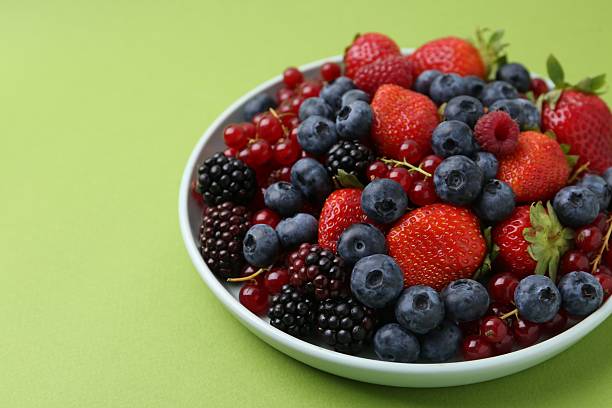
5. Berries – Antioxidant Bomb:-

Blueberries, strawberries, raspberries – ye sab berries flavonoids aur antioxidants se loaded hote hain. Ye compounds blood vessels ko repair karte hain aur blockages ko prevent karte hain.

  • Kaise help karte hain?
    • Blood pressure ko lower karte hain.
    • Arteries mein stiffness ko kam karte hain.
    • Inflammation aur oxidative stress ko reduce karte hain.

Smoothies mein berries add karo, ya oats ke upar sprinkle karo. Ye ek tasty aur heart-friendly dessert bhi ban jaata hai.

Lifestyle + Foods Combo = Best Results:-

Sirf foods khane se hi heart disease prevent nahi hoti. Lifestyle bhi equally important hai.

  • Exercise: Roz 30 minutes brisk walk ya yoga.
  • Stress Management: Meditation aur deep breathing.
  • Avoid Smoking & Excess Alcohol: Ye arteries ko damage karte hain.
  • Regular Check-ups: Blood pressure, cholesterol aur sugar levels monitor karna zaroori hai.

Myth Busting Section:-

  • Myth: “Ek baar blockage ho gaya toh food se clear ho jaata hai.”
    • Reality: Foods blockages ko dissolve nahi karte, but new blockages ko prevent karte hain aur vessels ko repair karte hain.
  • Myth: “Sirf supplements lene se heart healthy ho jaata hai.”
    • Reality: Natural foods hamesha better hote hain. Supplements sirf support karte hain, replace nahi.

Practical Hinglish Meal Plan (Sample):-

Morning: Avocado toast + green tea Mid-morning snack: 4 soaked walnuts + 1 banana Lunch: Tomato dal + brown rice + salad Evening snack: Berry smoothie with chia seeds Dinner: Grilled salmon / paneer curry + whole wheat roti

Ye ek balanced plan hai jo taste aur health dono ko balance karta hai.

Conclusion:-

Heart health ek long-term investment hai. Agar aap apni diet mein avocado, fatty fish, walnuts, tomatoes aur berries ko include karte ho, toh aap apne arteries aur blood vessels ko strong aur flexible bana sakte ho.

Remember – ye foods koi instant cure nahi hain, but ek preventive lifestyle ka part hain. Doctors aur cardiologists hamesha kehte hain ki “Healthy heart = Healthy life.”

Kidney Damage Signs: 5 Symptoms That First Appear on Hands and Feet

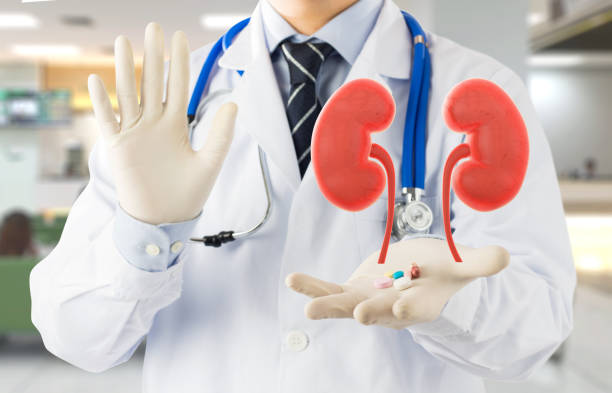
Kidneys are small bean‑shaped organs, but their role in our body is huge. They filter waste, balance water and minerals, and even help control blood pressure. When kidneys start to fail, the body gives us signals. Interestingly, many of these signals first show up in our hands and feet.

five important signs of kidney damage that appear in these areas.why they happen, how to notice them early, and why timely medical help is so important.

Why Kidneys Matter

Before diving into the signs, let’s quickly understand what kidneys do:

  • Filter toxins: They remove waste products from blood.
  • Balance fluids: They keep water, salt, potassium, and calcium in check.
  • Produce hormones: They help in making red blood cells and controlling blood pressure.

When kidneys are damaged, these functions slow down. Waste and water start to build up, and the body reacts in visible ways.

1. Swelling in Hands, Feet, and Ankles

One of the earliest and most common signs of kidney damage is swelling.

  • Why it happens: Kidneys fail to remove excess water and salt. This leads to fluid retention.
  • How to notice: If pressing the swollen area leaves a dent (called “pitting edema”), it’s a warning sign.
  • Impact: Swelling may start mild but can become severe, making shoes or rings tight.

Many people mistake swelling for tiredness or standing too long. But if it happens regularly, it’s worth checking your kidney health.

2. Muscle Strain and Cramps

Kidneys also balance electrolytes like calcium and phosphorus.

  • When damaged: This balance breaks, leading to sudden cramps.
  • Where it shows: Leg muscles are most affected.
  • Experience: Pain can be sharp, unexpected, and disturbing at night.

Muscle cramps are common, but if they are frequent and severe, kidneys might be struggling.

3. Itchy and Dry Skin

Skin problems are another hidden sign.

  • Reason: Toxins that should be filtered by kidneys stay in the blood. They collect under the skin.
  • Result: Intense itching, dryness, and rashes, especially on hands and feet.
  • Extra clue: Moisturizers may not help because the root cause is internal.

If skin irritation is persistent and unexplained, it could be linked to kidney health.

4. Numbness or Tingling in Hands and Feet

Kidney damage can affect nerves, leading to peripheral neuropathy.

  • Symptoms: Tingling, burning, or numbness in fingers and toes.
  • Why it matters: It shows that toxins are harming nerve endings.
  • Daily impact: Difficulty holding objects, walking, or even sleeping.

Many people confuse this with diabetes‑related nerve issues. But kidneys can also be the culprit.

5. Leg Pain and Weakness

When toxins build up, they damage muscles and bones.

  • Effect: Pain in legs, weakness, and reduced stamina.
  • Long‑term risk: Bones may become fragile, increasing chances of fractures.
  • Daily life: Simple tasks like climbing stairs or walking long distances feel harder.

This is not just tiredness. It’s a deeper sign that kidneys are not working properly

Why Early Detection Matters

Kidney disease is often called a “silent killer” because symptoms appear late. But hands and feet give us early clues. Detecting these signs early can:

  • Prevent further damage.
  • Allow treatment options like medicines, diet changes, or dialysis.
  • Improve quality of life

What To Do If You Notice These Signs

  • Consult a doctor immediately.
  • Get tests done: Blood test (creatinine, urea), urine test, and ultrasound.
  • Lifestyle changes: Reduce salt, drink enough water, avoid smoking and alcohol.
  • Monitor blood pressure and sugar: Both are linked to kidney health.

Everyday Habits That Protect Kidneys

  • Drink clean water.
  • Eat fresh fruits and vegetables.
  • Limit processed foods and excess protein.
  • Exercise regularly.
  • Avoid unnecessary painkillers (they can harm kidneys)

Motivational Note

Your body always tries to warn you. Swelling, cramps, itching, tingling, and weakness are not random. They are signals. Listening to them can save your kidneys and your life.

Kidney disease is treatable if detected early. Never ignore these signs, especially when they appear in your hands and feet.

more inform:-https://newmobilephoneunder25k.de
“Smart Snacking: How Peanuts Protect Your Brain as You Age”:-

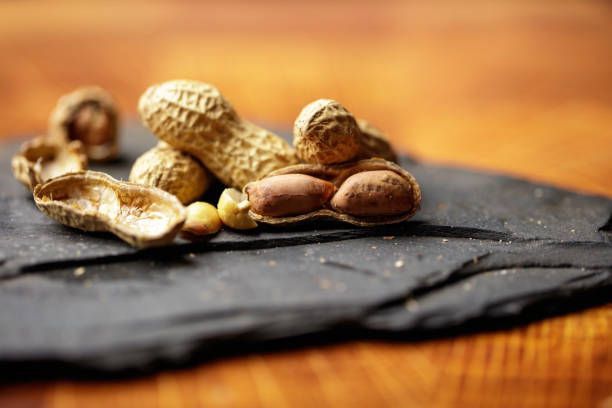
Ageing is a natural process. As we grow older, our body changes, and so does our brain. Memory may slow down, focus may reduce, and sometimes people worry about conditions like dementia or Alzheimer’s disease. Scientists are always searching for foods that can help keep the brain healthy. One such food is surprisingly simple and common: peanuts.

Peanuts are not only tasty and affordable but also packed with nutrients. Recent studies suggest that eating peanuts regularly may support brain health and slow down certain aspects of ageing.

Nutritional Power of Peanuts:-

Peanuts are often called “poor man’s protein” in India, but their value goes far beyond protein. Here’s what they contain:

  • Healthy fats – monounsaturated and polyunsaturated fats that support heart and brain health.
  • Protein – essential for repairing cells and tissues.
  • Vitamin E – a powerful antioxidant that protects brain cells from damage.
  • Niacin (Vitamin B3) – linked to better memory and reduced risk of age-related decline.
  • Magnesium – important for nerve function and learning.
  • Resveratrol – a plant compound also found in grapes, known for anti-ageing properties.

This combination makes peanuts a nutrient-rich snack that can benefit both body and mind.

How Ageing Affects the Brain:-

Before we connect peanuts to brain health, let’s understand what happens to the brain as we age:

  • Slower communication – Nerve cells may not send signals as quickly.
  • Reduced blood flow – The brain may receive less oxygen and nutrients.
  • Oxidative stress – Free radicals damage cells, leading to memory problems.
  • Inflammation – Chronic inflammation can harm brain tissue.
  • Loss of plasticity – The brain becomes less flexible in forming new connections.
  • These changes can result in forgetfulness, slower thinking, and higher risk of diseases like Alzheimer’s.

Peanuts and Brain Ageing: The Link:-

So, how do peanuts help?

  1. Antioxidant Protection
    • Vitamin E and resveratrol in peanuts fight oxidative stress.
    • This reduces cell damage and keeps neurons healthier for longer.
  2. Improved Blood Flow
    • Healthy fats in peanuts support heart health, which indirectly benefits the brain.
    • Better circulation means more oxygen and nutrients reach brain cells.
  3. Memory Support
    • Niacin has been linked to lower risk of Alzheimer’s disease.
    • Regular intake may improve memory and learning ability.
  4. Mood and Energy
    • Magnesium helps regulate neurotransmitters like serotonin.
    • This can improve mood and reduce age-related depression.
  5. Anti-Inflammatory Effects
    • Plant compounds in peanuts reduce inflammation, protecting brain tissue.

What Research Says:-

  • A study published in Medical News Today highlighted that regular peanut consumption may slow aspects of brain ageing.
  • Other studies have shown that diets rich in nuts are linked to better cognitive performance in older adults.
  • The Mediterranean diet, which includes nuts, is often recommended for reducing dementia risk.

While peanuts alone are not a magic cure, they can be a valuable part of a balanced diet.

Easy Ways to Add Peanuts to Your Diet:-

The best part about peanuts is their versatility. Here are simple ideas:

  • Roasted peanuts – A crunchy snack with tea.
  • Peanut butter – Spread on bread or fruit.
  • Chutney – Peanut chutney with dosa or idli.
  • Salads – Sprinkle roasted peanuts for texture.
  • Breakfast – Add to upma, poha, or oats.
  • Energy bars – Mix peanuts with jaggery for a healthy bite.

Remember: moderation is key. Too many peanuts can add excess calories.

Balancing Benefits and Risks

Like any food, peanuts have pros and cons:

Benefits:

  • Affordable and widely available.
  • Rich in nutrients for brain and body.
  • Easy to include in daily meals.

Risks:

  • High in calories – overeating may cause weight gain.

  • Allergies – some people are allergic to peanuts.
  • Salted or fried peanuts – may harm health if consumed in excess.
  • The solution is simple: eat unsalted, roasted, or boiled peanuts in moderate amounts.

Cultural and Social Angle

Peanuts are deeply rooted in Indian culture. From street-side “moongfali” sellers in winter to peanut chikki during festivals, they are part of everyday life. Globally too, peanuts are popular – from American peanut butter sandwiches to African peanut stews.

This cultural acceptance makes peanuts an easy food to promote for brain health. Unlike exotic supplements, they are familiar, affordable, and loved.

Practical Tips for Brain-Friendly Eating

If you want to use peanuts for better brain health, here are some practical steps:

  • Replace fried snacks with roasted peanuts.
  • Add peanut butter to fruit instead of sugary spreads.
  • Combine peanuts with other brain foods like walnuts, almonds, and seeds.
  • Pair peanuts with exercise and mental activities like puzzles or reading.

Brain health is not about one food alone. It’s about lifestyle choices. Peanuts can be one helpful piece of the puzzle.

Conclusion:-

Ageing of the brain is natural, but lifestyle and diet can influence how fast it happens. Peanuts, with their rich mix of antioxidants, vitamins, and healthy fats, may help slow down this process. They are affordable, tasty, and easy to include in daily meals.

While peanuts are not a miracle cure, they can be a smart choice for anyone who wants to protect their brain as they age. Combined with exercise, good sleep, and mental activity, peanuts can play a small but meaningful role in keeping the mind sharp.

So next time you grab a handful of peanuts, remember: you’re not just enjoying a snack—you may also be supporting your brain for the future.

7 Ways to Reduce Hair Fall Naturally:-

Hair fall ek aisi problem hai jo har age group ke logon ko pareshaan karti hai. Chahe college students ho, working professionals ho ya homemakers – sabhi ke liye strong aur healthy hair ek confidence booster hota hai. Lekin stress, pollution, unhealthy diet aur wrong hair care habits ke wajah se hair fall ek common issue ban gaya hai.

Good news yeh hai ki aapko expensive treatments ya chemical products ki zaroorat nahi hai. Nature ke paas har problem ka solution hota hai, aur hair fall ke liye bhi kuch simple natural remedies kaafi effective hote hain. Is blog mein hum baat karenge 7 natural ways jo aapke hair fall ko kam karenge aur hair growth ko promote karenge.

1. Balanced Diet – “Jo khayenge, wahi dikhayenge”

Healthy hair ke liye sabse pehla step hai ek balanced diet. Agar aapke body ko proper nutrition nahi milega, toh hair follicles weak ho jaayenge aur hair fall badh jaayega.

  • Include protein-rich foods like dal, paneer, eggs, sprouts.
  • Add iron sources like spinach, beetroot, jaggery.
  • Eat vitamin C fruits like oranges, amla, guava – yeh iron absorption mein help karte hain.
  • Omega‑3 fatty acids from walnuts, flax seeds aur fish scalp ko nourish karte hain.

Simple tip: Roz ek bowl sprouts aur ek seasonal fruit khana start karo. Within weeks, aapko difference feel hoga.

2. Stay Hydrated & Sleep Well

“Water is life” – yeh sirf body ke liye nahi, hair ke liye bhi equally important hai. Proper hydration scalp ko healthy rakhta hai aur toxins flush karta hai.

  • Drink at least 8 glasses of water daily.
  • Avoid excess caffeine and sugary drinks.
  • Sleep 7–8 hours daily – kyunki sleep ke time body cell repair karti hai, including hair cells.

Agar aap late night scrolling karte ho, toh us habit ko replace karo with calming herbal tea before bed.

3. Oil Massage – “Champi is therapy”

Indian households mein champi ek tradition hai, aur science bhi isse support karta hai. Regular oil massage scalp circulation improve karta hai, follicles ko strong banata hai aur dryness kam karta hai.

Best oils for hair fall:

  • Coconut oil – deeply nourishes.
  • Castor oil – promotes growth.
  • Onion oil – reduces thinning.
  • Bhringraj oil – Ayurvedic remedy for hair strength.

Tip: Warm oil ko scalp par gently massage karo 10 minutes ke liye, phir overnight chhod do. Next morning mild shampoo se wash karo.

4.Hibiscus Hair Mask

Hibiscus flower sirf garden ko beautify nahi karta, balki hair ke liye ek natural boon hai.

  • Hibiscus petals ko dry karke powder bana lo.
  • Mix with curd or aloe vera gel.
  • Apply on scalp and hair for 30 minutes.
  • Wash with lukewarm water.

Benefits:

  • Prevents split ends.
  • Strengthens roots.
  • Promotes thicker hair growth.

Is mask ko week mein 1–2 baar use karo.

5. Stress Management – “Dil aur dimaag dono relax”

Stress ek silent killer hai jo hair fall ko directly trigger karta hai. Jab aap stress mein hote ho, toh cortisol hormone badh jaata hai jo hair growth cycle ko disturb karta hai.

Natural stress busters:

  • Daily meditation or yoga.
  • 30 minutes brisk walk.
  • Listening to calming music.
  • Spending time in nature.

Simple hack: Roz 10 minutes deep breathing practice karo – “inhale positivity, exhale stress.”

6. Natural Rinses – Neem & Green Tea

Chemical conditioners ke bajaye herbal rinses try karo.

  • Neem water rinse: Neem leaves ko boil karke cool karo aur last rinse ke liye use karo. Neem scalp infections aur dandruff ko control karta hai.
  • Green tea rinse: Brew green tea, cool it, and pour on scalp. Green tea antioxidants hair follicles ko rejuvenate karte hain.

Yeh rinses hair fall ko kam karte hain aur scalp ko fresh feel dete hain.

7. Avoid Heat & Harsh Chemicals

Straighteners, curlers aur chemical dyes hair ko weak kar dete hain. Excess heat se protein breakdown hota hai aur hair brittle ho jaata hai.

  • Limit use of styling tools.
  • Choose herbal or ammonia‑free hair colors.
  • Use mild, sulfate‑free shampoos.

Remember: “Natural shine is better than artificial style.”

Posted onEdit”“Natural Homemade Drinks to Prevent Plaque and Boost Blood Flow”:-“

Quick Recap Table

Conclusion:-

Hair fall ek natural process hai, lekin jab excess ho jaata hai toh concern ban jaata hai. Instead of panicking or spending thousands on treatments, apne lifestyle aur hair care routine mein small changes laao.

Balanced diet, proper sleep, champi, herbal masks, stress management aur chemical‑free care – yeh sab milke ek holistic solution banate hain. Nature ke remedies slow but steady hote hain, aur long‑term mein sustainable results dete hain.

So next time jab aapko hair fall notice ho, remember: solution aapke kitchen aur garden mein hi hai.

“Natural Homemade Drinks to Prevent Plaque and Boost Blood Flow”:-

Heart problems are becoming very common today. Many people suffer from high cholesterol, high blood pressure, and blocked arteries. Doctors often say that food and lifestyle play a big role in keeping our heart healthy. While medicines are important when needed, natural homemade drinks can also help support better blood flow and reduce plaque buildup in arteries.

five simple drinks you can make at home. These drinks are tasty, easy to prepare, and full of nutrients that help keep your arteries clean and your heart strong.

Why Artery Health Matters:-

Arteries are like pipes that carry blood from the heart to the rest of the body. If these pipes get blocked with fat and cholesterol (called plaque), blood cannot flow properly. This can lead to serious problems like heart attacks or strokes.

Some common reasons for clogged arteries are:

  • Eating too much fried or processed food
  • High levels of bad cholesterol (LDL)
  • Smoking and drinking too much alcohol
  • Lack of exercise
  • Stress and poor sleep

The good news is that healthy food and drinks can help prevent plaque buildup. Natural ingredients like fruits, herbs, and vegetables are full of antioxidants and vitamins that protect the heart.

1. Lemon and Ginger Water:-

Why it helps: Lemon is rich in vitamin C, which fights harmful substances in the body. Ginger improves blood circulation and reduces inflammation. Together, they make a refreshing drink that supports heart health.

How to make:

  • Take one lemon and cut it into slices.
  • Add a few slices of fresh ginger.
  • Put them in a jug of water and let it sit for 2–3 hours.
  • Drink it throughout the day.

Benefits:

  • Keeps you hydrated.
  • Helps control blood pressure.
  • Reduces stress on arteries.

2. Beetroot and Lemon Drink:-

Why it helps: Beetroot is full of nitrates. These nitrates turn into nitric oxide in the body, which relaxes blood vessels and improves blood flow. Lemon adds extra vitamin C.

How to make:

  • Boil or roast one medium beetroot.
  • Blend it with water.
  • Add juice of half a lemon.
  • Drink it chilled.

Benefits:

  • Improves oxygen supply in the body.
  • Lowers blood pressure.
  • Keeps arteries flexible.

3. Hibiscus Tea:-

Why it helps: Hibiscus flowers are rich in antioxidants. Studies show hibiscus tea can lower blood pressure and cholesterol.

How to make:

  • Take 2 tablespoons of dried hibiscus petals.
  • Boil them in hot water for 10 minutes.
  • Strain and drink. You can add a little honey if you like.

Benefits:

  • Helps reduce blood pressure.
  • Protects arteries from damage.
  • A healthy alternative to sugary drinks.

4. Green Tea:-

Why it helps: Green tea contains catechins, powerful antioxidants that stop bad cholesterol from sticking to artery walls.

How to make:

  • Steep one green tea bag in hot water for 3–4 minutes.
  • Add a squeeze of lemon for extra vitamin C.

Posted onEdit”One Simple Switch at a Time: How to Make Your Daily Roti More Nutritious:-“

Benefits:

  • Improves cholesterol levels.
  • Reduces inflammation in arteries.
  • Boosts metabolism and energy.

5. Pomegranate Juice:-

Why it helps: Pomegranate is a superfruit full of polyphenols. These compounds protect arteries from damage and improve blood flow.

How to make:

  • Blend fresh pomegranate seeds.
  • Strain the juice.
  • Drink fresh without adding sugar.

Benefits:

  • Slows down plaque buildup.
  • Improves circulation.
  • Strengthens the heart.

Remember: Drinks Alone Are Not Enough:-

These drinks are very helpful, but they are not magic cures. To keep your heart healthy, you should also:

  • Eat more fruits, vegetables, and whole grains.
  • Avoid fried and processed foods.
  • Exercise at least 30 minutes daily.
  • Quit smoking and limit alcohol.
  • Sleep well and manage stress.

Quick Comparison:-

Final Thoughts:-

Heart health is about small daily habits. Adding these five homemade drinks—lemon-ginger water, beetroot-lemon drink, hibiscus tea, green tea, and pomegranate juice—can make a big difference over time. They are natural, safe, and easy to prepare.

Combine them with a healthy lifestyle, and you will be taking strong steps toward preventing plaque buildup and keeping your arteries clean.

Exit mobile version