
One Simple Switch at a Time: How to Make Your Daily Roti More Nutritious:-

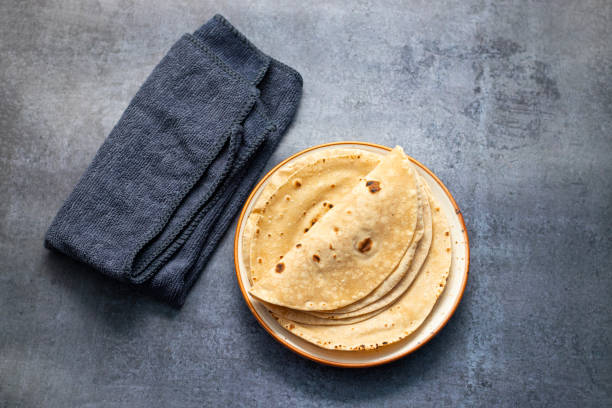
Roti – ek simple flatbread jo har Indian household ka staple hai. Breakfast, lunch, dinner – roti humari plate ka integral part hoti hai. Lekin kya tumne kabhi socha hai ki ye roti tumhari health ko kitna impact karti hai?

Hum aksar superfoods ke peeche bhaagte hain – quinoa, chia seeds, kale – lekin asli health ka secret hai humare daily staples. Agar hum apni roti ko thoda sa upgrade kar dein, toh bina taste sacrifice kiye apni health ko next level pe le ja sakte hain.

1) The Emotional Value of Roti

Indian households mein roti sirf food nahi, ek comfort hai. Maa ke haath ki roti, ghar ki smell, family ke saath khana – ye sab emotions se juda hai.

Isliye agar hum roti ko healthy banate hain, toh hum apni tradition ko break nahi karte, balki usse aur powerful banate hain.

2) Why Focus on Roti?

  • Roti har din khayi jaati hai, isliye iska impact long-term hota hai.
  • Jo cheez hum daily consume karte hain, wahi humari immunity, digestion aur energy levels decide karti hai.
  • Superfoods occasional hote hain, staples consistent hote hain.

Message: “Daily staples ko smartly upgrade karo, health automatically improve hogi.”

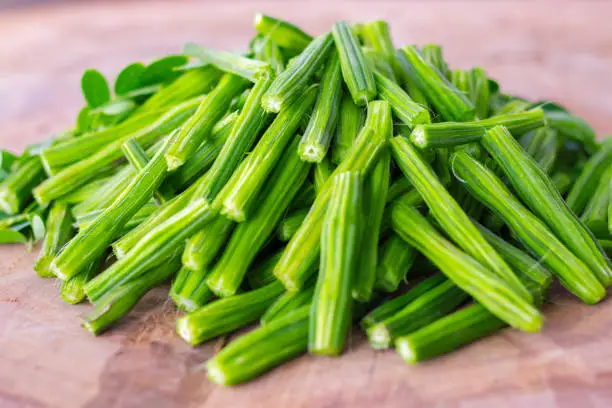
Moringa: The Ayurvedic Super Ingredient

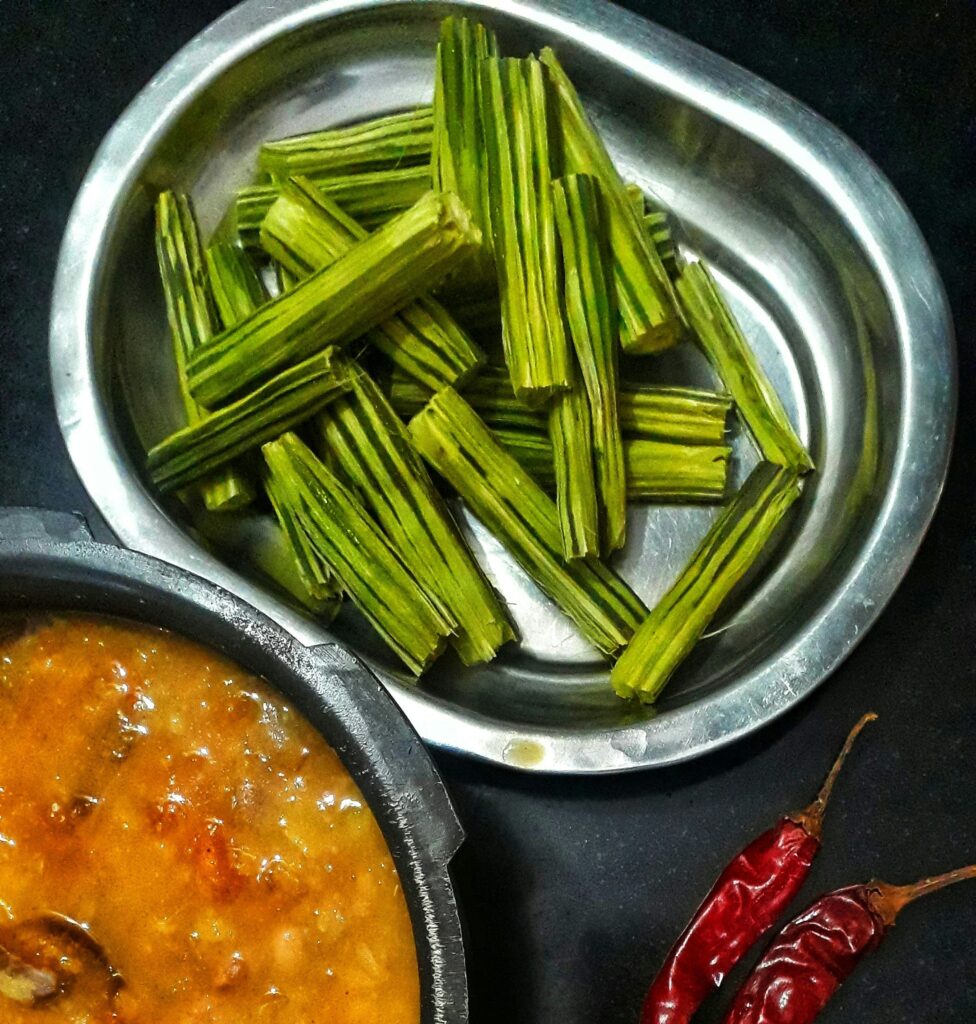
Moringa, jise drumstick leaves bhi kehte hain, Ayurveda mein centuries se use hota aaya hai.

Nutritional Benefits:

  • Rich in amino acids (especially lysine jo cereals mein kam hota hai).
  • Vitamins A, C, E – immunity aur skin ke liye best.
  • Calcium aur potassium – bones aur muscles ke liye helpful.
  • Antioxidants – fight against free radicals.

Impact: Moringa roti tumhe energy, better digestion aur immunity boost deti hai.

3) Small Switches, Big Difference

Healthy eating ka matlab boring food nahi hota. Balance ka matlab hai familiar taste ke saath nutrition add karna.

Examples of small switches:

  • White atta → Multigrain atta
  • Normal atta → Protein-fortified atta
  • Plain roti → Moringa-mixed roti

Ye switches sustainable hote hain kyunki taste familiar rehta hai aur family easily accept kar leti hai.

4) Protein-Fortified Atta

Protein deficiency India mein common hai, especially vegetarians ke liye. Protein-fortified atta ek smart solution hai.

Benefits:

  • Helps in muscle repair and growth.
  • Keeps you full for longer, reducing overeating.
  • Supports metabolism and weight management.

Impact: Daily roti se hi tum apna protein intake improve kar sakte ho.

5) Moringa: The Ayurvedic Super Ingredient

Moringa, jise drumstick leaves bhi kehte hain, Ayurveda mein centuries se use hota aaya hai.

Nutritional Benefits:

  • Rich in amino acids (especially lysine jo cereals mein kam hota hai).
  • Vitamins A, C, E – immunity aur skin ke liye best.
  • Calcium aur potassium – bones aur muscles ke liye helpful.
  • Antioxidants – fight against free radicals.

Impact: Moringa roti tumhe energy, better digestion aur immunity boost deti hai.

6) Practical Ways to Upgrade Your Roti

  • Mixing Ingredients: Add moringa powder, flax seeds, or soy flour in atta.
  • Multigrain Atta: Combine wheat with bajra, jowar, ragi for fiber boost.
  • Protein Atta: Buy ready-made fortified atta available in market.
  • Seasoning: Add ajwain or methi leaves for digestion benefits.

7) Taste vs Health – No Compromise

Sabse bada myth hai ki healthy food tasteless hota hai. Roti ko upgrade karne se taste lose nahi hota.

  • Moringa roti thoda earthy taste deti hai jo sabzi ke saath perfect lagta hai.
  • Multigrain roti crispy aur nutty flavor deti hai.
  • Protein atta roti almost same taste deti hai jaise normal roti.

8) Everyday Benefits of Nutritious Roti

  • Energy Boost: Tumhe din bhar lethargy feel nahi hoti.
  • Better Digestion: Fiber-rich atta gut health improve karta hai.
  • Immunity Strong: Vitamins aur antioxidants tumhe infections se bachate hain.
  • Weight Control: Protein aur fiber tumhe full rakhte hain, overeating kam hoti hai.

9) Sustainable Healthy Eating

Healthy eating tabhi successful hoti hai jab wo routine ka part ban jaaye. Agar tum apni roti ko upgrade karte ho, tumhe alag se diet plan follow karne ki zarurat nahi.

Message: “Health is not about drastic changes, it’s about smart switches.”

10) Tips to Introduce Nutritious Roti at Home

  • Start slow: Pehle 20% moringa atta mix karo, phir gradually badhao.
  • Involve family: Kids ko batayo ki ye roti unhe strong banayegi.
  • Experiment: Kabhi flax seed, kabhi oats powder add karo.
  • Consistency: Har din ek healthy roti khana hi long-term benefit deta hai.

Conclusion:-

Roti humari identity ka part hai. Agar hum apni roti ko thoda sa upgrade kar dein – moringa, multigrain, protein-fortified atta – toh hum apni health ko silently transform kar sakte hain.Healthy eating ka matlab sacrifice nahi, smart switches hai. Jab nourishment aur familiarity ek saath aate hain, tabhi healthy eating ek habit ban jaati hai.

“Ek simple switch – jaise moringa ya protein atta – tumhari daily roti ko ek super roti bana sakta hai. Aur jab roti healthy ho jaaye, toh poori family healthy ho jaati hai.”

moreinform;-https://newmobilephoneunder25k.de
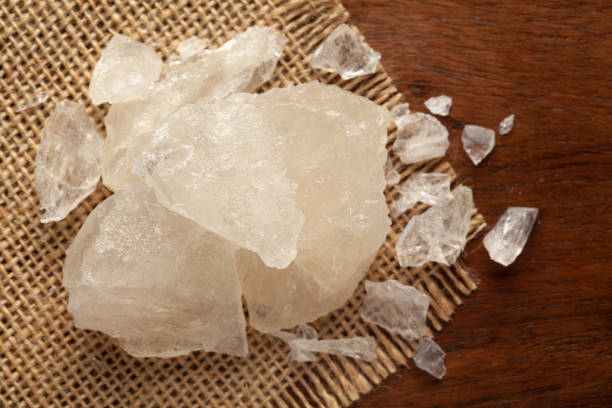
“Fitkari ke 5 powerful remedies: evil eye removal, aura cleansing aur ghar mein positivity wapas laane ka natural way.”

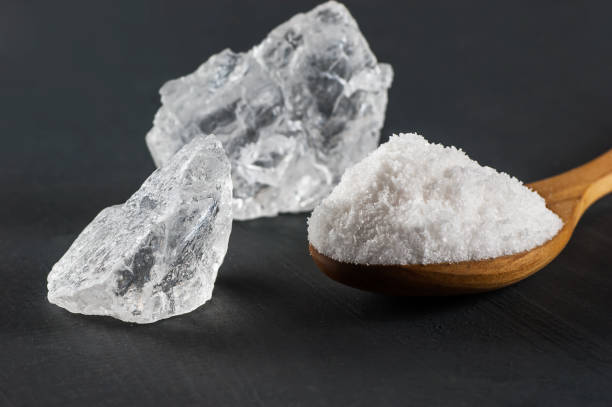
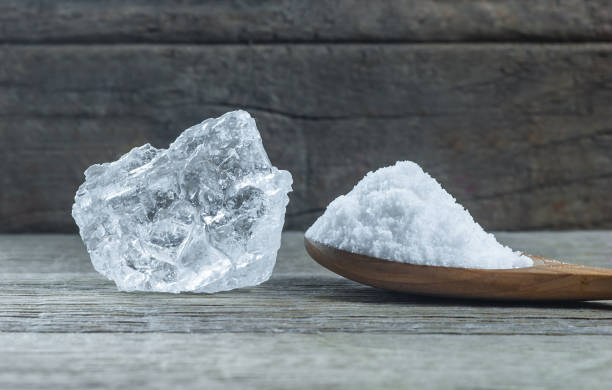
Har Indian ghar mein ek chhoti si cheez hoti hai jo bahut powerful maani jaati hai – Fitkari (Alum). Fitkari ko hum usually shaving ke baad ya paani ko saaf karne ke liye use karte hain. Lekin iske spiritual aur traditional remedies bhi utne hi mashhoor hain. Purane zamane se log believe karte hain ki fitkari negative energy ko absorb karti hai, nazar dosh ko door karti hai aur ghar mein shanti wapas laati hai.

Aaj ke modern lifestyle mein hum chemical‑based products pe zyada depend ho gaye hain, lekin fitkari jaise natural remedies abhi bhi apni jagah banaye hue hain. Is blog mein hum detail mein dekhenge 5 traditional alum remedies jo negativity ko remove karne ke liye use kiye jaate hain.

1. Alum Removes Evil Eye (Nazar Dosh)

Sabse common aur popular remedy hai nazar utarna. Nazar dosh ya evil eye ko log jealousy, buri soch ya envy se connect karte hain.

  • Process: Ek raw piece of alum le kar usse clockwise direction mein 7 baar insaan ke sir ke upar ghumaya jaata hai.
  • During Ritual: Log silently mantras ya prayers chant karte hain.
  • Afterwards: Alum ko ya toh jalaya jaata hai ya flowing water mein daala jaata hai. Agar jalate waqt alum ki shape change ho jaaye ya sizzling sound aaye, toh maana jaata hai ki usne negative energy absorb kar li hai.

Ye ritual bachchon ke liye, newly married couples ke liye aur un logon ke liye zyada kiya jaata hai jo achanak bechain ya weak feel karte hain.

2. Keeping Alum Beneath the Pillow

Sleep disturbances aur nightmares ko log negative vibes se connect karte hain. Fitkari ko is problem ka simple solution maana jaata hai.

  • Method: Raat ko sone se pehle ek chhoti piece of alum apne pillow ke neeche rakhi jaati hai.
  • Belief: Ye alum raat bhar psychic stress aur negative thoughts ko absorb kar leti hai.
  • Tip: Practitioners suggest karte hain ki alum ko daily replace karo taaki uski potency bani rahe.

Is remedy ko un logon ko recommend kiya jaata hai jo bar‑bar nightmares dekhte hain ya sote waqt anxiety feel karte hain.

3. Burning Alum to Purify Living Spaces

Ghar ko negativity se free rakhna har culture mein important maana jaata hai. Fitkari ko burn karna ek traditional method hai jo ghar ke atmosphere ko cleanse karta hai.

  • Process: Alum ko ek metal pan mein heat kiya jaata hai jab tak woh crack na kare ya strong odor release na kare.
  • Variation: Kabhi‑kabhi camphor bhi mix kiya jaata hai for stronger effect.
  • Ritual: Pan ko ghar ke alag‑alag rooms mein le jaaya jaata hai, especially doors aur windows ke paas.
  • Outcome: Mana jaata hai ki is ritual ke baad ghar ka environment light aur positive ho jaata hai.

Ye practice zyada tar tab ki jaati hai jab ghar mein fights ho jaayein, stress ho, ya atmosphere heavy lagne lage.

4. Alum Water Bath

Personal aura ko cleanse karna bhi ek important ritual hai. Emotional stress ya crowded places visit karne ke baad log apne aap ko heavy feel karte hain.

  • Method: Ek chhoti piece of alum ko bath water mein dissolve kiya jaata hai.
  • Usage: Bath neck se neeche start hota hai.
  • Belief: Ye process body ki aura ko purify karta hai aur energetic impurities ko remove karta hai.

Is ritual ke baad insaan apne aap ko fresh aur balanced feel karta hai.

5. Carrying Alum for Protection

Kabhi‑kabhi negativity directly ghar ya sleep se related nahi hoti, balki social interactions mein hoti hai. Fitkari ko ek passive protective shield maana jaata hai.

  • Practice: Ek chhoti piece of alum apne wallet, purse ya pocket mein rakhi jaati hai.
  • Purpose: Mana jaata hai ki ye jealousy, malice aur harmful intentions se protect karti hai.
  • Belief: Alum silently guard karta hai bina kisi ritual ke.

Ye remedy un logon ke liye useful hai jo competitive environments mein kaam karte hain ya jahan jealousy zyada hoti hai.

Cultural Significance of Alum Remedies

Fitkari ke ye remedies sirf superstition nahi balki ek cultural heritage hain. Ye practices dikhati hain ki kaise faith aur tradition everyday life mein blend hote hain.

  • Alum ko spiritual cleansing tool maana jaata hai.
  • Ye protection aur harmony symbol hai.
  • Generations se ye rituals follow kiye ja rahe hain, jo ek sense of comfort aur positivity dete hain.

Posted onEdit”Benefits of Eating Raw Garlic: Not Just for Vampire Protection”

Practical Advice for Using Alum

Fitkari safe hai lekin kuch precautions zaroori hain:

  • Always use in small quantities.
  • Agar pillow ke neeche use kar rahe ho toh daily replace karo.
  • Internally consume mat karo bina expert guidance ke.
  • Remember: Ye remedies faith‑based hain, medical treatment nahi.

Why People Still Believe in Alum Remedies

Science ne abhi tak in rituals ko prove nahi kiya hai, lekin log abhi bhi believe karte hain because:

  • Ye emotional comfort dete hain.
  • Rituals ek sense of control aur positivity create karte hain.
  • Generations of practice ne inhe trustworthy aur valuable bana diya hai.
  • Remedies simple, affordable aur accessible hain.

Fitkari ek bridge hai jo tradition aur modern life ko connect karta hai.

Conclusion

Fitkari ya alum ek chhoti si mineral hai jo apne andar bahut bada cultural aur spiritual importance rakhti hai. Evil eye remove karna, ghar ko cleanse karna, sleep improve karna ya protection dena – ye sab remedies generations se follow kiye ja rahe hain.

Chahe aap in rituals ko faith ke liye follow karo ya cultural connection ke liye, fitkari ek fascinating part hai India ke heritage ka. Ye humein yaad dilata hai ki kabhi‑kabhi simplest solutions hi sabse powerful hote .

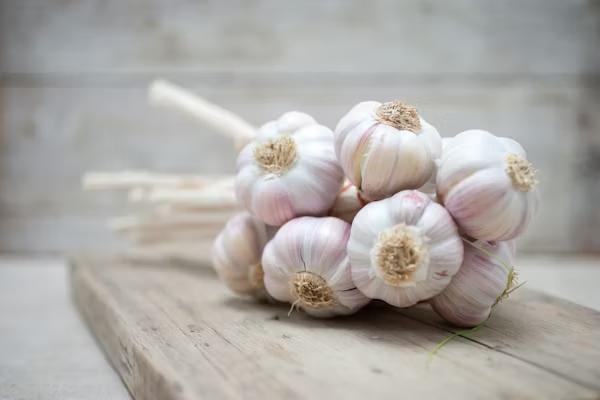
Benefits of Eating Raw Garlic: Not Just for Vampire Protection

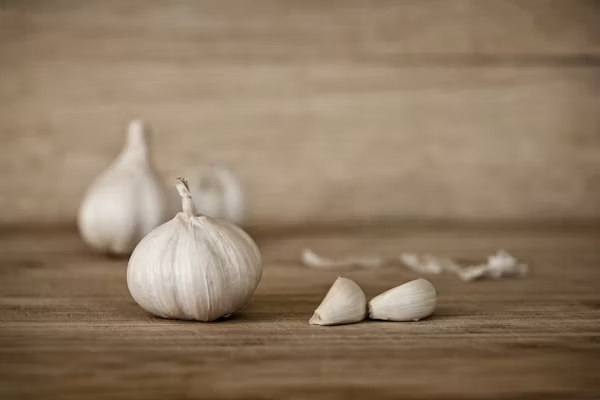
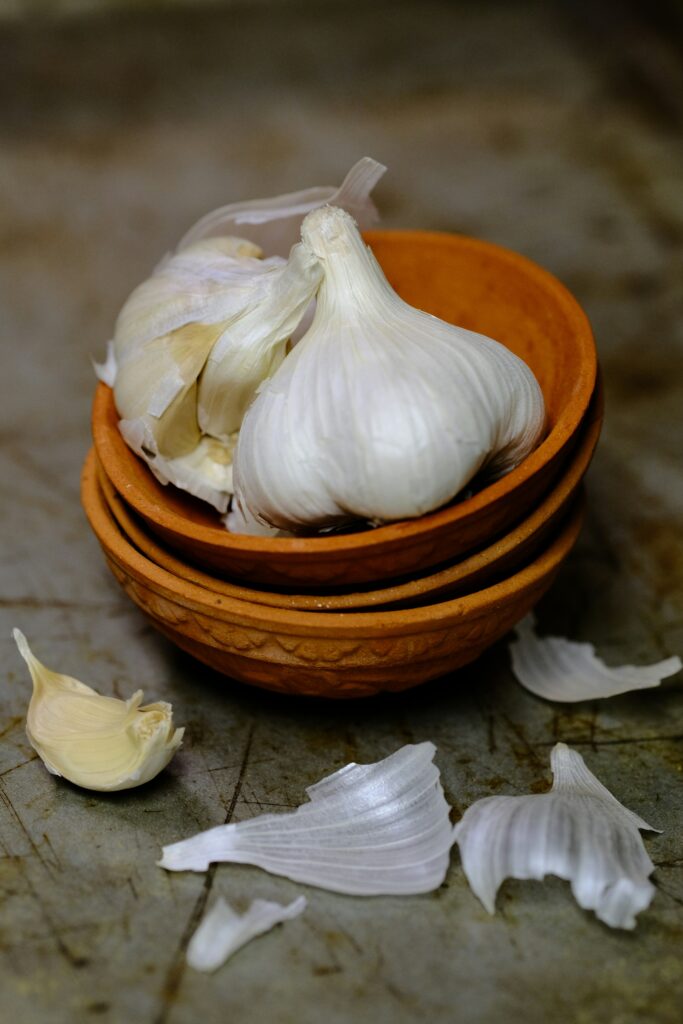
Garlic has always been more than just a kitchen ingredient. For centuries, people have believed it could chase away evil spirits, protect against vampires, and even bring good luck. But beyond the folklore and funny stories, garlic—especially raw garlic—is a true powerhouse for health. It is sharp, pungent, and sometimes socially awkward because of its strong smell, yet it carries benefits that can transform your well-being.

We’ll explore its history, nutritional value, health benefits, and even practical tips on how to eat it without scaring away your friends. By the end, you’ll see why this humble bulb deserves a permanent spot in your daily routine

.

Garlic Through the Ages

Garlic has been used for thousands of years. Ancient Egyptians gave garlic to workers building the pyramids to boost strength and stamina. Greek athletes chewed garlic before competitions. In traditional Indian and Chinese medicine, garlic was prescribed for digestion, infections, and heart health.

Folklore added its own flavor: garlic was believed to ward off vampires, witches, and evil spirits. While those myths are fun, the real magic lies in its natural compounds that science continues to study today.

What Makes Raw Garlic Special?

Cooking garlic changes its flavor and reduces some of its active compounds. Raw garlic, on the other hand, is intense and full of natural chemicals that benefit the body. The most important one is allicin, a sulfur compound released when garlic is crushed or chopped.

Allicin is responsible for garlic’s strong smell and taste, but it’s also the reason behind many of its health benefits. Think of raw garlic as a natural medicine chest—small, but powerful.

Health Benefits of Eating Raw Garlic

1. Boosts Immunity

Raw garlic strengthens your immune system. It helps your body fight infections, colds, and flu. Many people chew a clove of garlic daily during winter to stay healthy.

2. Supports Heart Health

Garlic is known to lower blood pressure, reduce cholesterol, and improve blood circulation. These effects protect your heart and reduce the risk of heart attacks and strokes.

3. Detoxifies the Body

Garlic acts like a natural detox agent. It helps flush out toxins, heavy metals, and harmful bacteria from your system.

4. Improves Digestion

Raw garlic stimulates digestion and supports gut health. It encourages the growth of good bacteria in your intestines while fighting harmful ones.

5. Anti-Cancer Properties

Studies suggest that garlic may reduce the risk of certain cancers, especially stomach and colon cancer. Its antioxidants protect cells from damage.

6. Controls Blood Sugar

Garlic can help regulate blood sugar levels, making it useful for people with diabetes or those at risk.

7. Natural Antibiotic

Raw garlic has strong antibacterial and antiviral properties. It can fight infections naturally without relying on synthetic medicines.

8. Improves Skin and Hair

Garlic’s antioxidants and sulfur compounds can improve skin health, reduce acne, and strengthen hair roots.

he Social Side of Garlic
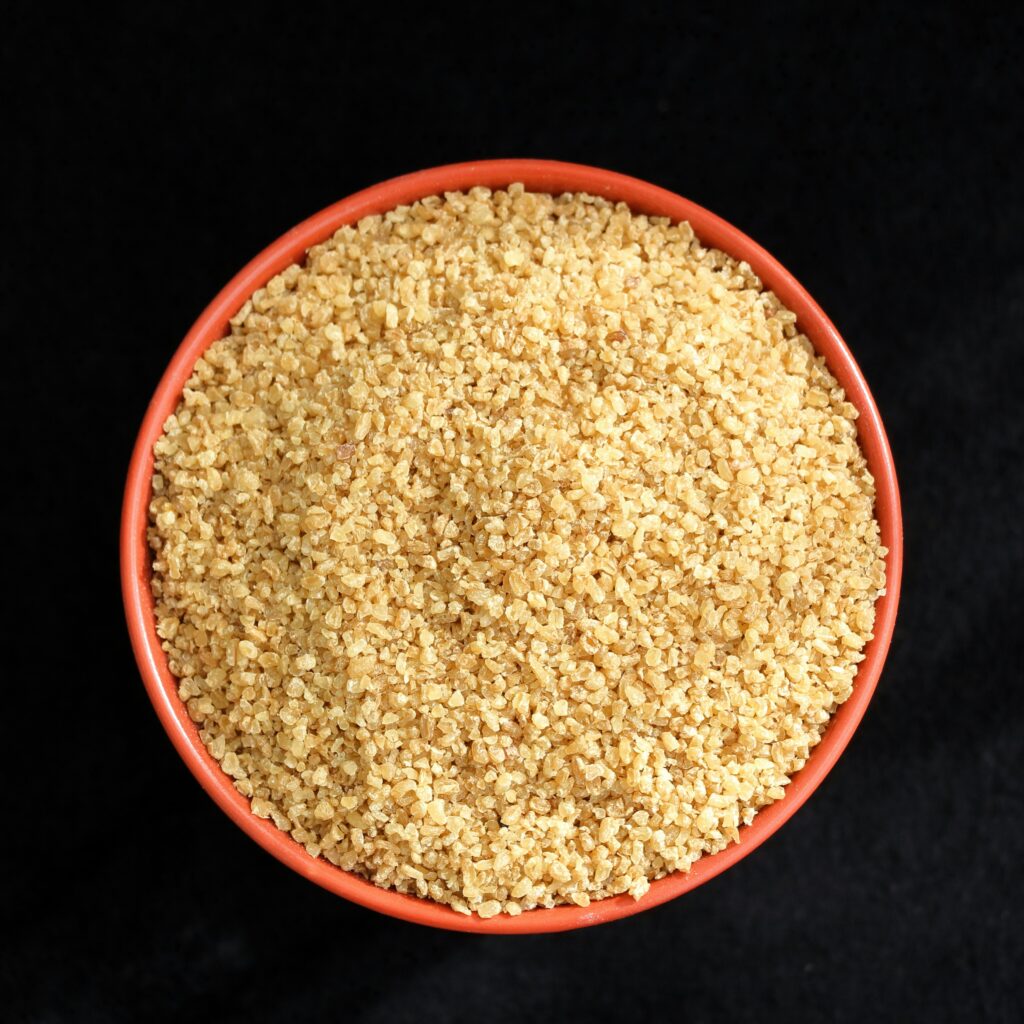
Let’s be honest—raw garlic has a strong smell. Eating it can leave your breath less than pleasant. That’s why many people avoid it. But here’s the trick: the benefits are worth it, and there are ways to manage the odor.
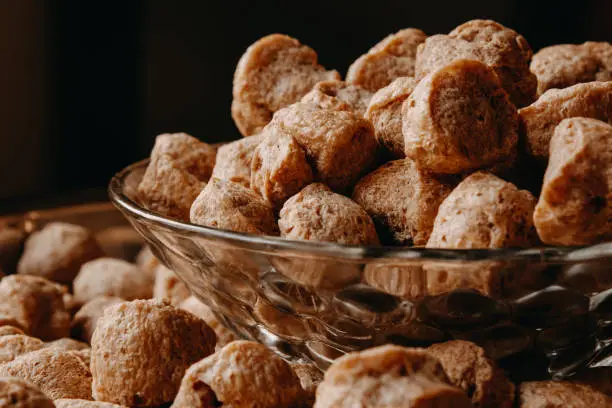
  • Chew fresh parsley or mint after eating garlic.
  • Drink lemon water to neutralize the smell.
  • Eat garlic with honey—it reduces the sharpness.

So yes, garlic might make you unpopular at a party, but it makes you healthier in the long run.

How to Eat Raw Garlic

Eating raw garlic doesn’t mean you have to chew a clove like candy. There are smarter ways to include it in your diet:

  • Crush and wait: Crush garlic and let it sit for 10 minutes before eating. This allows allicin to form.
  • Mix with honey: A spoonful of crushed garlic with honey is easier to swallow.
  • Add to salads: Sprinkle finely chopped garlic over salads for a spicy kick.
  • Blend in smoothies: Mix garlic with lemon, ginger, and honey for a health shot.
  • Spread on bread: Mash garlic with olive oil and spread it on toast.

Garlic in Different Cultures

  • India: Garlic chutneys and pickles are common.
  • China: Garlic is used in soups and stir-fries for both flavor and health.
  • Italy: Garlic is the soul of pasta sauces and bruschetta.
  • Middle East: Garlic yogurt dips like toum are popular.

Every culture has found a way to use garlic, proving its universal appeal.

Science Behind Garlic

Modern research confirms what traditional medicine has known for centuries. Garlic’s compounds reduce inflammation, fight bacteria, and protect cells. Scientists continue to study its role in preventing chronic diseases.

One interesting fact: garlic works best when eaten raw because cooking destroys allicin. That’s why chewing or crushing raw garlic is recommended for maximum benefit.

Practical Tips

  • Start small: one clove a day is enough.
  • Don’t eat garlic on an empty stomach if it causes irritation.
  • Combine garlic with ginger and lemon for a powerful health tonic.
  • Always balance garlic with a healthy diet—no single food is a magic cure.

Garlic Myths vs. Facts

  • Myth: Garlic only fights vampires. Fact: Garlic fights bacteria, viruses, and strengthens immunity.
  • Myth: Garlic must be cooked to be safe. Fact: Raw garlic is safe in small amounts and more powerful.
  • Myth: Garlic is just a flavoring. Fact: Garlic is a superfood with medicinal properties.

Why You Should Try Raw Garlic

Eating raw garlic may not be glamorous, but it’s one of the simplest ways to improve your health naturally. It’s cheap, easily available, and effective. Whether you want stronger immunity, better heart health, or glowing skin, garlic can help.

Yes, you’ll need a mint afterward, but the benefits far outweigh the smell. Think of garlic as your brutally honest friend—it may be sharp and intense, but it’s always good for you.

Conclusion

Garlic is more than a kitchen spice. It’s a natural healer, a protector, and a wellness legend. From ancient pyramids to modern science labs, garlic has proven its worth. Eating it raw may be challenging at first, but once you experience the benefits, you’ll understand why so many people swear by it.

So next time you see that little bulb sitting in your kitchen, don’t just think of vampires. Think of your heart, your immunity, your skin, and your overall health. Raw garlic is not just food—it’s medicine in disguise.

“Warm Up Your Winter: 7 Healthy Soups Full of Flavor & Nutrition”

Winter has a special charm. The cool breeze, cozy blankets, and long evenings make us crave comfort food. And what could be more comforting than a steaming bowl of soup? Soups are not only warm and soothing but also a healthy way to enjoy seasonal vegetables, grains, and proteins. They can be light or hearty, creamy or clear, depending on your mood.

seven healthy winter soups that are wholesome, delicious, and easy to prepare. Each soup has its own unique flavor, nutritional benefits, and comforting touch. Whether you want something filling after a long day or a light option to keep your diet balanced, these soups will be your perfect winter companions.

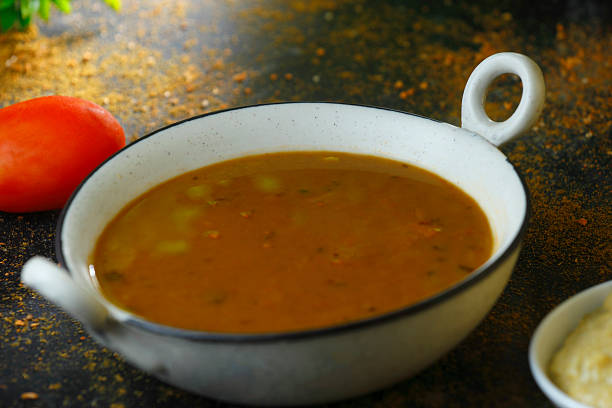
1. Classic Lentil Soup – Packed with Protein and Fibre

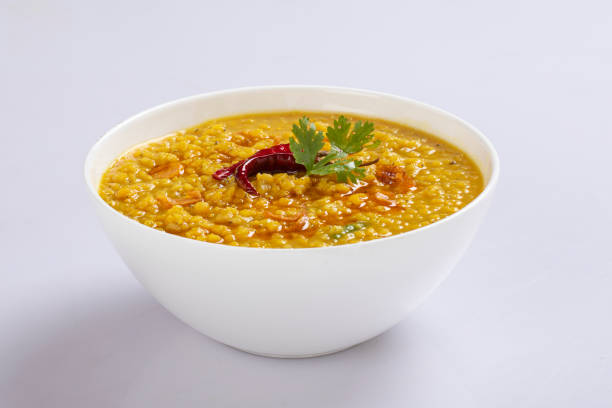
Lentils are a staple in many homes, and for good reason. They are rich in protein, iron, and fibre, making them a powerhouse of nutrition. A bowl of lentil soup can keep you full for hours and support digestion.

Why it’s great in winter:

  • Lentils provide warmth and energy.
  • The fibre helps regulate digestion, which is often sluggish in colder months.
  • Iron supports immunity and prevents fatigue.

How to make it simple: Cook lentils with carrots, celery, onions, and a dash of cumin. Add garlic for extra flavor. You can keep it thick or thin depending on your preference. Serve hot with whole‑grain bread for a complete meal.

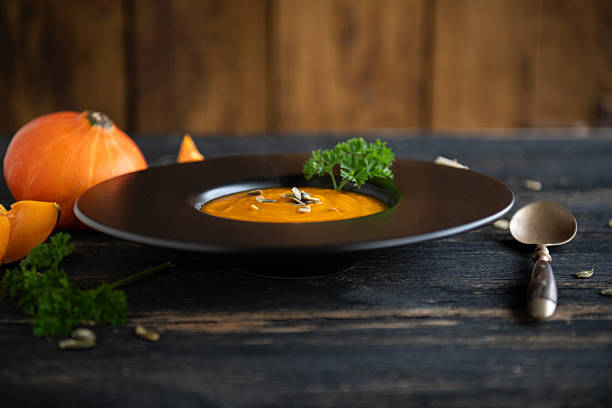
2. Pumpkin and Carrot Soup – Creamy and Comforting

Pumpkin and carrot together create a velvety, bright orange soup that looks as good as it tastes. Both vegetables are rich in vitamin A, which boosts immunity and keeps your skin healthy during the dry winter season.

Why it’s great in winter:

  • Vitamin A strengthens your body’s defense system.
  • The creamy texture feels indulgent without being heavy.
  • Carrots add natural sweetness, balancing the earthy flavor of pumpkin.

How to make it simple: Boil pumpkin and carrot pieces until soft. Blend them with vegetable stock, ginger, and garlic. Add a drizzle of coconut cream and sprinkle toasted seeds on top for crunch.

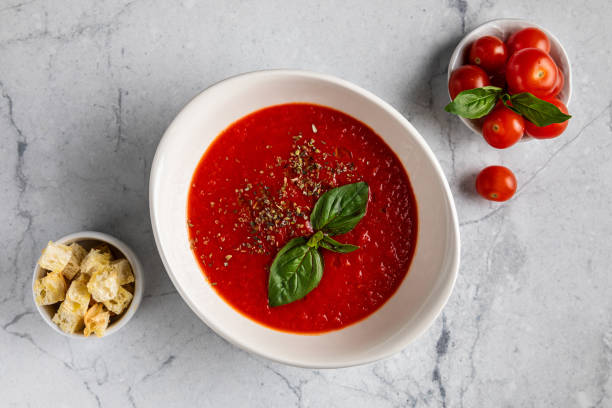
3. Tomato Basil Soup – A Timeless Favourite

Tomato basil soup is simple yet magical. Fresh tomatoes simmered with garlic, herbs, and olive oil create a tangy broth that warms the soul. Basil adds aroma and freshness.

Why it’s great in winter:

  • Tomatoes are rich in vitamin C, which boosts immunity.
  • Basil has antibacterial properties.
  • The tangy flavor pairs well with bread, making it a satisfying meal.

How to make it simple: Cook tomatoes with garlic, onion, and olive oil. Blend until smooth. Add fresh basil leaves and simmer for a few minutes. Serve with whole‑grain toast or sprinkle parmesan cheese on top.

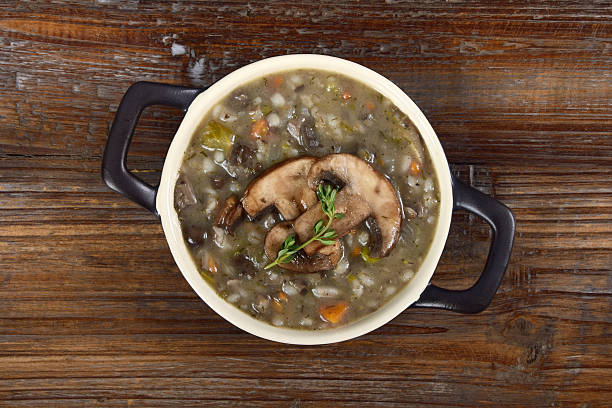
4. Mushroom and Barley Soup – Earthy and Filling

Mushroom and barley soup is robust and satisfying. Mushrooms bring deep umami flavor, while barley adds nutty texture and fibre. This soup is perfect for dinner when you want something hearty.

Why it’s great in winter:

  • Barley is rich in fibre, keeping you full longer.
  • Mushrooms provide vitamins and minerals.
  • The earthy taste feels grounding and comforting.

How to make it simple: Cook mushrooms with onions, garlic, and herbs. Add barley and vegetable stock. Let it simmer until the barley is soft. Garnish with parsley.

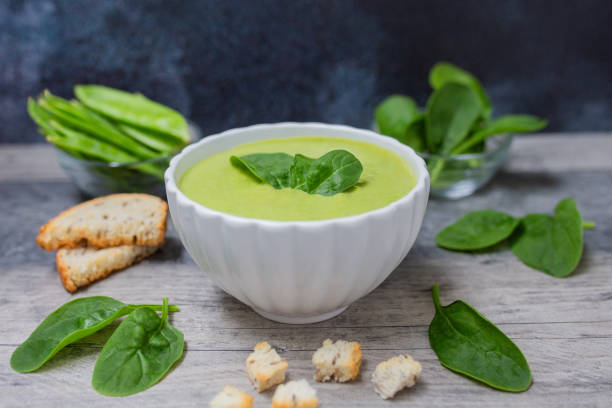
5. Spinach and Pea Soup – A Green Energy Booster

If you want something light yet nourishing, spinach and pea soup is a winner. It is loaded with antioxidants that help detoxify the body. The vibrant green color is refreshing and makes you feel energized.

Why it’s great in winter:

  • Spinach provides iron and folate, which fight winter tiredness.
  • Peas add protein and sweetness.
  • Antioxidants help cleanse the body after heavy festive meals.

How to make it simple: Cook peas and spinach with onions and garlic. Blend until smooth. Add a squeeze of lemon juice before serving to brighten the flavor.

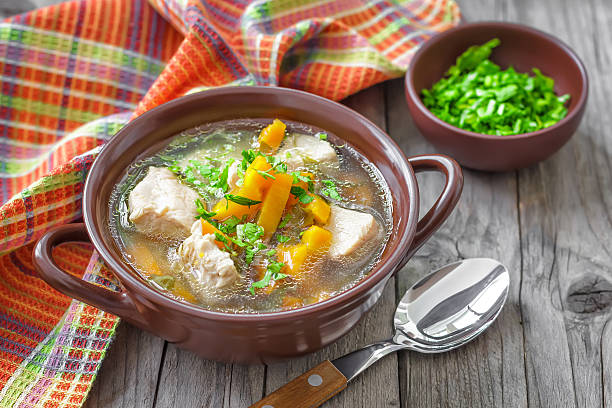
6. Chicken and Vegetable Soup – Comfort in Every Spoonful

When you are feeling under the weather, chicken soup is the ultimate comfort food. Lean chicken cooked with carrots, beans, and herbs makes a protein‑rich meal that soothes the body and mind.

Why it’s great in winter:

  • Chicken provides protein for strength.
  • Vegetables add vitamins and minerals.
  • The warm broth helps clear congestion and ease cold symptoms.

How to make it simple: Boil chicken pieces with carrots, beans, celery, and herbs. Add garlic and ginger for extra healing power. Serve hot with a sprinkle of black pepper.

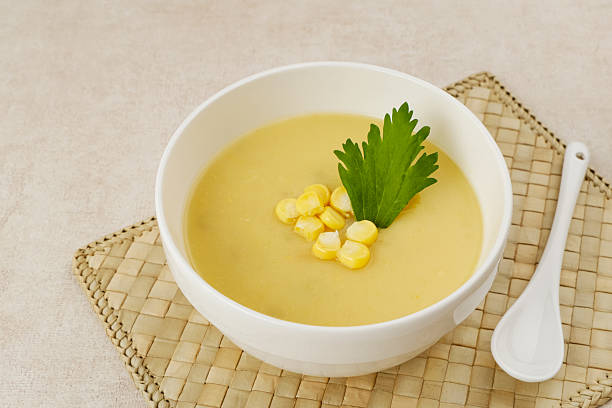
7. Sweet Corn Soup – Light and Nourishing

Sweet corn soup is gentle and soothing. It is low in calories, hydrating, and easy to digest. For those who prefer mild flavors, this soup is a perfect choice.

Why it’s great in winter:

  • Corn provides energy without heaviness.
  • Ginger adds warmth and aids digestion.
  • Spring onions give freshness and crunch.

How to make it simple: Boil corn kernels and blend half of them for a creamy base. Add the rest whole for texture. Cook with ginger, garlic, and spring onions. Serve hot.

Why Soups Are Perfect for Winter

Soups are more than just food; they are comfort in a bowl. Here’s why they are ideal for winter:

  • Warmth: Soups naturally warm the body.
  • Nutrition: They pack vegetables, proteins, and grains in one dish.
  • Hydration: Soups provide fluids, which are often ignored in cold weather.
  • Versatility: You can make them creamy, clear, spicy, or mild.
  • Easy Digestion: Soups are gentle on the stomach.

Tips to Make Your Winter Soups Healthier

  • Use fresh seasonal vegetables for maximum nutrition.
  • Replace cream with coconut milk or yogurt for a lighter option.
  • Add herbs and spices like ginger, garlic, turmeric, and cumin for flavor and health benefits.
  • Choose whole grains like barley or quinoa instead of refined starches.
  • Keep salt moderate and use natural seasonings.

Final Thoughts

Winter is the season of warmth, comfort, and nourishment. These seven soups bring together taste and health in the most delightful way. From the protein‑rich lentil soup to the creamy pumpkin delight, from the refreshing spinach and pea soup to the timeless tomato basil, each recipe has something unique to offer.

Soups are not just meals; they are experiences. They remind us of home, family, and cozy evenings. They heal us when we are sick, energize us when we are tired, and comfort us when we need a hug in food form.

So this winter, make soup a regular part of your diet. Experiment with flavors, add your own twist, and enjoy the wholesome goodness. A bowl of soup is more than food—it is warmth, health, and happiness served together.

Dalia vs Upma: Which Breakfast is the Better Choice for Weight Loss?

Breakfast har kisi ke din ki sabse important meal hoti hai. Lekin Indian households mein ek common debate chalti rehti hai – “subah kya khayein? Dalia ya Upma?” Dono hi comfort food hain, dono hi tasty hain, aur dono hi quick ban jaate hain. Lekin agar aapka goal weight loss hai, toh kaun sa option better hai?

Breakfast aur Weight Loss Connection

Weight loss ke liye sirf calories cut karna hi kaafi nahi hota. Aapko apna metabolism, satiety (fullness), aur nutrient intake bhi balance karna padta hai. Breakfast agar sahi choose kiya jaye toh poore din ke cravings control ho jaate hain.

Aur yahan par dalia aur upma dono hi apni-apni jagah strong contenders hain.

Upma – The Quick Energy Booster

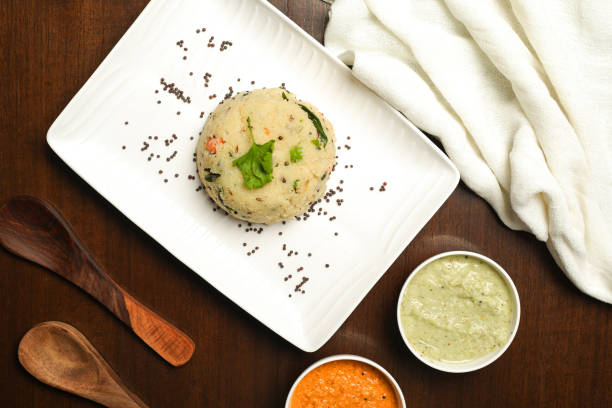
  • Kya hai Upma? Upma ek semolina (rava) based dish hai. Isme vegetables, curry leaves, aur thoda oil/ghee use hota hai.
  • Nutrition Profile
    • Semolina is refined grain → fast digesting carbs
    • Provides quick energy
    • Moderate protein content
    • Often cooked with oil, nuts, aur ghee
  • Calories 1 cup cooked upma ≈ 200–220 calories.
  • Weight Loss Drawbacks
  • Quick digestion → jaldi bhook lagti hai.
  • Oil/ghee tempering se calories badh jaati hain.
  • Refined grain hone ki wajah se fiber kam hota hai.

Dalia vs Upma – Direct Comparison

FactorDalia (Broken Wheat)Upma (Semolina)
Calories (per cup)150–180200–220
FiberHighLow
DigestionSlow, keeps fullFast, hunger returns
SatietyLong-lastingShort-lived
Weight Loss ImpactPositiveModerate

Practical Insights

  • Agar aap weight loss mode mein ho, dalia is clearly better.
  • Agar aapko quick energy chahiye (jaise office rush ya workout ke pehle), upma useful hai.
  • Dono dishes ko healthy banaya jaa sakta hai agar aap vegetables add karein aur oil/ghee limit karein.

Tips to Make Dalia More Interesting

  • Cook with vegetables like carrot, beans, peas.
  • Add spices like jeera, hing, curry leaves for flavor.
  • Sweet version: cook with milk, dates, aur dry fruits.
  • Protein boost: add sprouts or boiled lentils.

Tips to Make Upma Healthier

  • Use minimal oil.
  • Add lots of vegetables.
  • Replace semolina with oats or quinoa for fiber.
  • Garnish with roasted peanuts for protein.

Expert Angle – Satiety Matters

Weight loss ka sabse bada challenge hota hai cravings control karna. Agar aap breakfast ke baad jaldi bhook feel karte ho, toh aap din bhar extra calories consume kar loge.

Dalia ka fiber-rich nature aapko lambi der tak full rakhta hai. Upma quick energy deta hai, lekin satiety kam hoti hai.

Balanced Approach

  • Weekdays mein jab aapko long satiety chahiye → Dalia.
  • Weekends ya quick snack ke liye → Upma.
  • Dono ko alternate karke bhi enjoy kiya jaa sakta hai.

Posted onEdit”“Is More Protein Always Better? Hidden Dangers of Supplements””

Conclusion

Weight loss ke liye agar ek winner choose karna ho, toh Dalia clearly edges ahead.

  • Lower calories
  • Higher fiber
  • Better satiety

Upma bhi tasty aur wholesome hai, lekin agar goal specifically weight loss hai, toh dalia ko priority dena better hoga.

  • Dalia vs Upma for weight loss
  • Healthy Indian breakfast options
  • Fiber-rich breakfast recipes
  • Low-calorie Indian breakfast
  • Best breakfast for weight loss

Final Thoughts

Breakfast ek habit hai jo aapke health goals ko directly impact karta hai. Agar aap apne weight loss journey ko smooth banana chahte ho, toh dalia ko apne routine mein include karo. Upma occasional treat ke liye rakho.

Aur yaad rakho – weight loss sirf ek dish se nahi hota, poore lifestyle se hota hai. Balanced diet, regular exercise, aur mindful eating ke saath dalia aur upma dono hi apni jagah contribute karte hain.

“Is More Protein Always Better? Hidden Dangers of Supplements”

Protein shakes, powders, and bars are everywhere these days. Walk into a gym or scroll through fitness posts online, and you’ll see people sipping shakes or showing off their protein snacks. They’re marketed as quick fixes for strength, energy, and muscle growth.

But here’s the thing: Do we really need them? And are they safe for everyone? Let’s talk about it in plain, simple words.

Why Protein Is Important:-

Protein is like the building block of our body. Without it, we can’t grow, repair, or stay strong.

  • It helps muscles grow and recover after workouts.
  • It repairs tissues when we get injured.
  • It supports hormones and enzymes that keep our body running.
  • It can even provide energy when carbs and fats are low.

So yes, protein is super important. But that doesn’t mean everyone needs a scoop of powder every day.

Who Actually Needs Protein Supplements?:-

Supplements are not for everyone. They’re mainly useful for:

  • Athletes and bodybuilders who train hard.
  • Elderly people who face muscle loss.
  • Patients recovering from surgery.
  • People with medical protein deficiency.

If you’re a healthy adult eating dal, milk, curd, eggs, or meat regularly, you’re probably getting enough protein already.

The Risks of Overusing Protein Supplements:-

Here’s the part most ads don’t tell you. Overusing protein supplements can cause problems:

  • Gut Issues: Too much protein powder can disturb gut bacteria and cause inflammation.
  • Cancer Concerns: Some studies link heavy use of animal-based protein powders to colon cancer risk.
  • Hidden Additives: Cheap powders often contain sugar, artificial flavors, and even heavy metals like lead or mercury.
  • Kidney & Liver Strain: Extra protein puts pressure on kidneys and liver, leading to dehydration, acidity, and calcium loss.
  • Muscle Growth Myth: More protein doesn’t mean faster muscles. Your body can only use a limited amount at a time.

Signs You’re Overdoing Protein:-

If you’re consuming too much, your body will give signals:

  • Bloating or digestive discomfort
  • Feeling tired often
  • Headaches
  • Dehydration
  • Sudden mood or weight changes

Natural Protein Sources:-

Instead of relying on powders, try these everyday foods:

  • Dal, beans, chickpeas
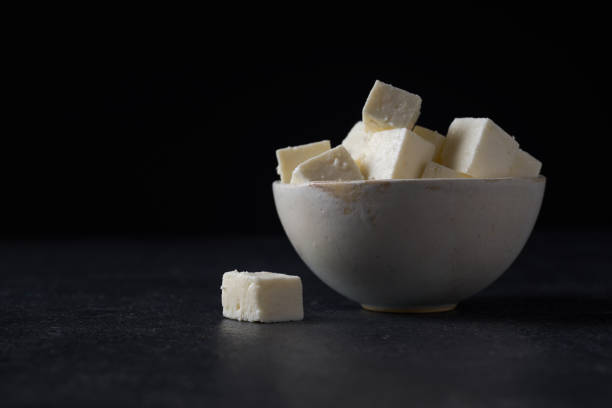
  • Milk, curd, paneer
  • Eggs
  • Chicken, fish, mutton
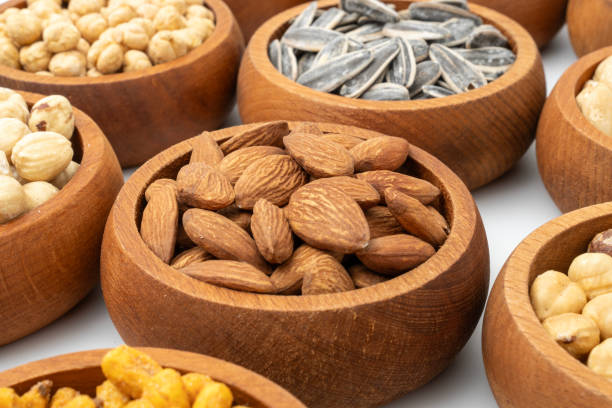
  • Almonds, peanuts, chia seeds
  • Oats, quinoa, brown rice

These foods give you protein plus vitamins, minerals, and fiber — something powders can’t match.

How to Choose Safe Supplements:-

If you really need supplements, be smart:

  • Read the label carefully.
  • Avoid products with too much sugar or artificial flavors.
  • Pick certified brands.
  • Talk to a doctor or dietician before starting.
  • Use them in moderation, not as meal replacements.

Lifestyle Matters Too:-

Protein alone won’t make you healthy. You need:

  • Regular exercise
  • Proper sleep
  • Enough water
  • Balanced meals

Supplements can support you, but they can’t replace a healthy lifestyle.

Conclusion:-

Protein is essential, but supplements are not magic. For most people, natural food is enough. Supplements should be used only when truly needed, and always with care.

So next time you grab a protein shake, ask yourself: Do I really need this, or can my regular meal give me the same benefit?

Remember: Safe protein means smart choices. More protein doesn’t always mean more health.

10 Benefits of Using Rice Water for Skin and Hair:-

A Secret from the Kitchen

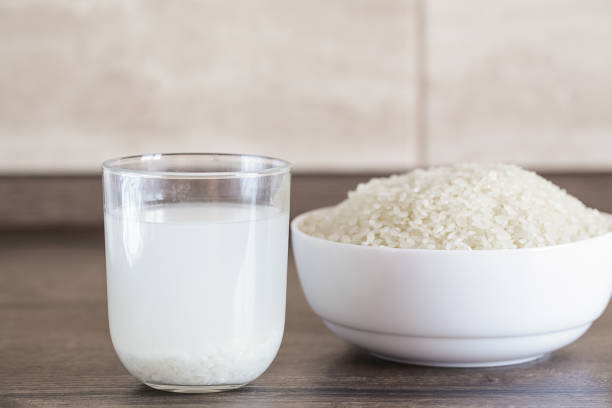
Sometimes the best beauty remedies are not found in expensive bottles but in our own kitchens. One such hidden gem is rice water—the starchy liquid left after soaking or boiling rice. For centuries, women in Asian countries have used rice water to keep their skin glowing and their hair strong. Today, this simple remedy is making a comeback as people search for natural, chemical‑free solutions.

Rice water is rich in amino acids, vitamins B and E, minerals, and antioxidants. These nutrients make it a powerful tool for skincare and haircare. Let’s explore the top 10 benefits of rice water and how you can use it in your daily routine.

Benefits for Skin

1. Brightens the Skin

Rice water helps reduce dark spots and pigmentation. Regular use can give your face a natural glow without the need for heavy creams. It works gently, making it suitable for most skin types.

2. Soothes Irritated Skin

If you suffer from redness, sunburn, or acne, rice water can calm the irritation. Its anti‑inflammatory properties cool the skin and reduce discomfort.

3. Tightens Pores

Large pores often make skin look uneven. Rice water acts as a natural astringent, tightening pores and giving the skin a smoother appearance.

4. Delays Signs of Aging

The antioxidants in rice water fight free radicals, which cause wrinkles and fine lines. With regular use, it can help slow down visible aging and keep your skin youthful.

5. Hydrates and Softens

Rice water locks in moisture, keeping the skin soft and supple. Unlike chemical moisturizers, it hydrates naturally without clogging pores.

Benefits for Hair

6. Promotes Hair Growth

Rice water is packed with amino acids and vitamins that nourish hair follicles. This stimulation encourages faster and healthier hair growth.

7. Strengthens Hair

A carbohydrate called inositol in rice water repairs damaged hair and prevents breakage. This makes hair stronger and less prone to split ends.

8. Reduces Dandruff

Its antifungal properties help maintain a healthy scalp. Regular rinsing with rice water can reduce dandruff and itching.

9. Adds Shine and Smoothness

Rice water works like a natural conditioner, leaving hair silky, shiny, and frizz‑free. It’s perfect for those who want smooth locks without chemical products.

10. Controls Oiliness

For people with oily scalps, rice water balances oil production. This keeps hair fresh and reduces the greasy look.

How to Use Rice Water

  • As a toner: Apply rice water to your face with a cotton pad after cleansing.
  • As a facial mist: Store it in a spray bottle and use it throughout the day.
  • As a hair rinse: After shampooing, pour rice water on your hair, leave for 10–15 minutes, then rinse with plain water.
  • As a mask base: Mix rice water with natural ingredients like aloe vera or turmeric for DIY masks.

Why Choose Rice Water?

  • Affordable: No need to spend money on costly products.
  • Natural: Free from chemicals and preservatives.
  • Accessible: Rice is a staple in almost every household.
  • Sustainable: Using rice water reduces waste and supports eco‑friendly living.

Practical Tips

  • Always store rice water in the fridge and use it within 3–4 days.
  • Do a patch test before applying to skin or hair to avoid allergies.
  • For best results, use it 2–3 times a week.
  • Combine with other natural remedies like coconut oil or honey for added benefits.

Tradition Meets Modern Beauty

Rice water is not just a trend—it’s a tradition that has stood the test of time. From Japanese women known for their long, shiny hair to Indian households using rice water for soothing skin, this remedy connects us to our roots. In today’s world of fast beauty fixes, rice water reminds us that simple solutions can be powerful.

Conclusion: A Kitchen Secret Worth Sharing

Rice water is more than just leftover liquid—it’s a natural beauty elixir. With benefits ranging from brightening skin to strengthening hair, it deserves a place in your daily routine. Affordable, safe, and effective, rice water proves that sometimes the simplest remedies are the best.

So next time you cook rice, don’t throw away the water. Save it, use it, and let your skin and hair thank you.

10 Affordable Indian Vegan Protein Sources You Might Be Overlooking

For decades, Indian households have carried a quiet myth: “Plant-based diets don’t give enough protein.” Walk into any family discussion about nutrition, and you’ll hear someone recommending milk, paneer, or chicken for strength. But here’s the truth—our kitchens are already overflowing with protein-rich, affordable, and time-tested vegan ingredients. You don’t need imported quinoa or expensive chia seeds to meet your protein goals. Instead, you can rely on humble staples that have nourished generations.

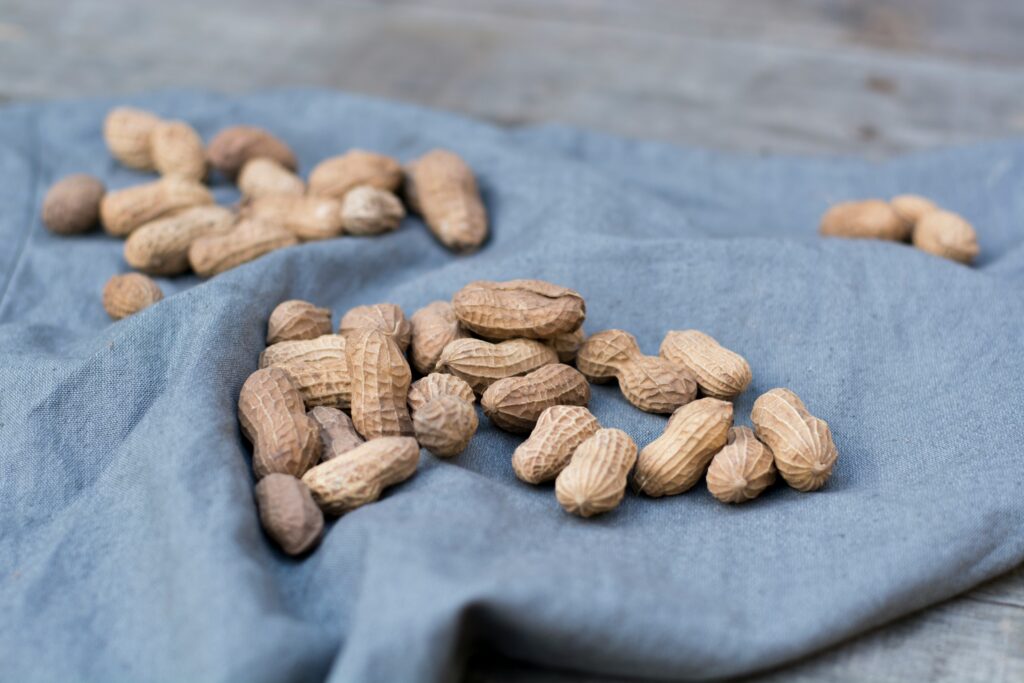
1. Peanuts (Groundnuts): The Everyday Energy Booster

  • Protein content: ~25g per 100g
  • Why it matters: Peanuts are cheap, accessible, and versatile. From chutneys in South India to peanut laddoos in Maharashtra, they’ve always been part of our food culture.
  • How to use: Peanut butter on toast, roasted peanuts as snacks, or groundnut chutney with idli-dosa.
  • Unique angle: Think of peanuts as India’s answer to almond butter—affordable, local, and equally protein-packed.

2. Roasted Chana: The Crunchy Companion

  • Protein content: ~20g per 100g
  • Why it matters: Roasted chana is the snack that fits every pocket. It’s crunchy, filling, and pairs well with jaggery for a quick energy boost.
  • How to use: Mix with chopped onions, tomatoes, and lemon for a protein-rich chaat.
  • Unique angle: This is India’s “trail mix”—simple, portable, and perfect for office desks or school tiffins.

3. Sattu (Roasted Gram Flour): Bihar’s Superfood

  • Protein content: ~20g per 100g
  • Why it matters: Traditionally consumed in Bihar and UP, sattu is cooling, filling, and nutrient-dense. Farmers relied on it for energy during long workdays.
  • How to use: Sattu drink with lemon and salt, sattu parathas, or stuffed rolls.
  • Unique angle: Sattu is India’s smoothie powder—blend it with water, and you’ve got a protein shake rooted in tradition.

4. Besan (Gram Flour): The Versatile Base

  • Protein content: ~22g per 100g
  • Why it matters: Besan is the backbone of countless Indian dishes—chilla, pakoras, kadhi. It’s high in protein and gluten-free.
  • How to use: Besan pancakes with veggies, kadhi with rice, or baked besan snacks.
  • Unique angle: Besan is not just flour—it’s a protein canvas that adapts to savory or sweet recipes.

5. Soy Chunks: The Plant-Based Powerhouse

  • Protein content: ~52g per 100g (dry)
  • Why it matters: Soy chunks are dense, chewy, and mimic meat textures. They’re a budget-friendly alternative to mock meats.
  • How to use: Add to curries, biryanis, or kebabs.
  • Unique angle: Soy chunks are India’s vegan protein bomb—perfect for gym-goers who want affordable gains

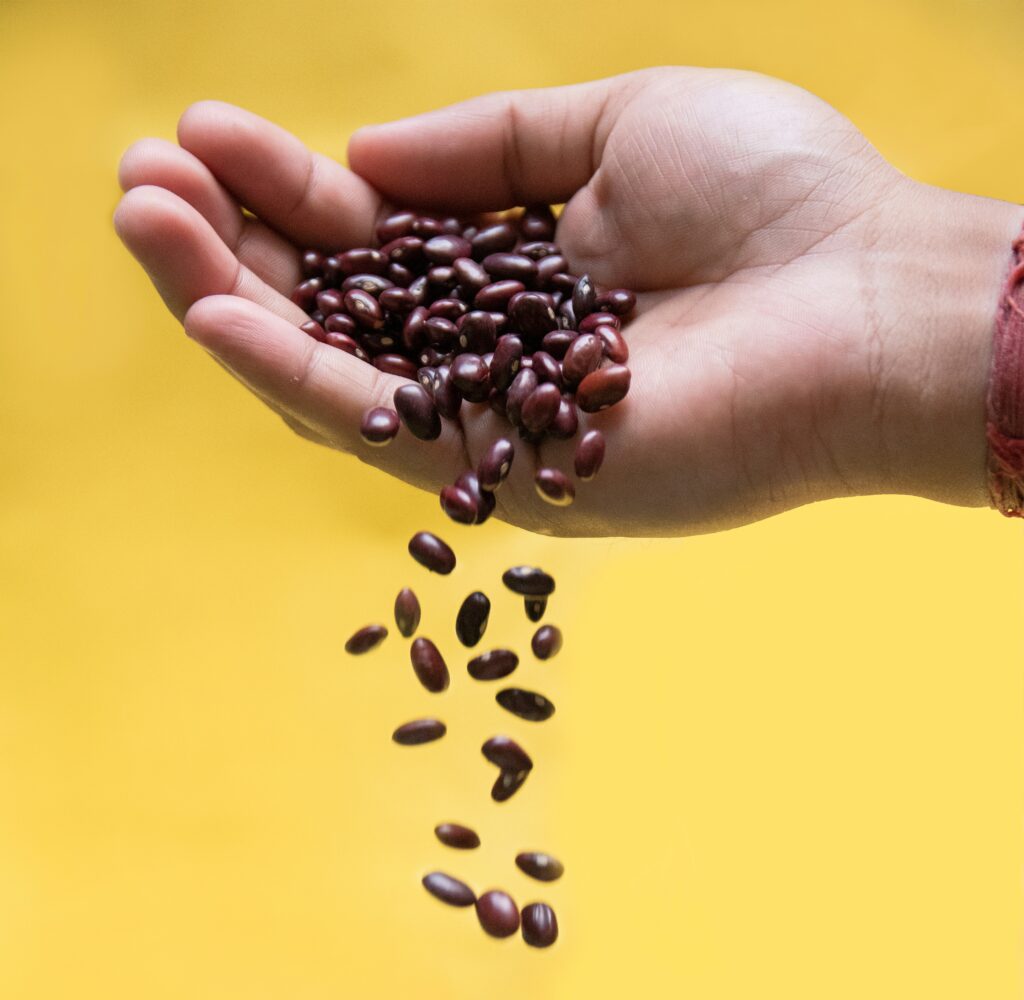
6. Rajma (Kidney Beans): Comfort Food with Strength

  • Protein content: ~15g per cooked cup
  • Why it matters: Rajma-chawal is more than comfort food—it’s a protein-rich staple.
  • How to use: Classic rajma curry, rajma wraps, or rajma salad.
  • Unique angle: Rajma is proof that comfort food can be nutritious—a balance of taste and protein.

7. Chana Dal: The Savory All-Rounder

  • Protein content: ~13g per cooked cup
  • Why it matters: Chana dal is used in dals, vadas, and fillings. It’s rich in protein and fiber.
  • How to use: Dal with rice, crispy vadas, or stuffed parathas.
  • Unique angle: Chana dal is the unsung hero—quietly powering countless Indian recipes.

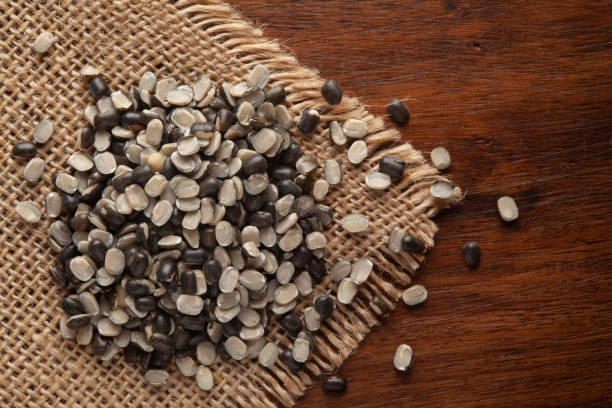
8. Urad Dal: The Batter Builder

  • Protein content: ~12g per cooked cup
  • Why it matters: Essential for idli-dosa batter, urad dal also brings minerals like iron and magnesium.
  • How to use: Idli, dosa, vada, or urad dal curry.
  • Unique angle: Urad dal is the foundation of South Indian cuisine—without it, breakfast classics wouldn’t exist.

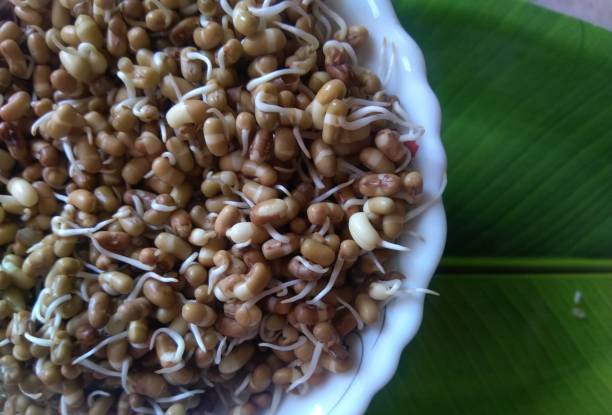
9. Matki (Moth Beans): The Quick-Cooking Sprout

  • Protein content: ~23g per 100g (dry)
  • Why it matters: Popular in Maharashtrian sprout curries, matki cooks fast and digests easily.
  • How to use: Sprout curries, salads, or stir-fries.
  • Unique angle: Matki is India’s fast food sprout—nutritious, quick, and adaptable.

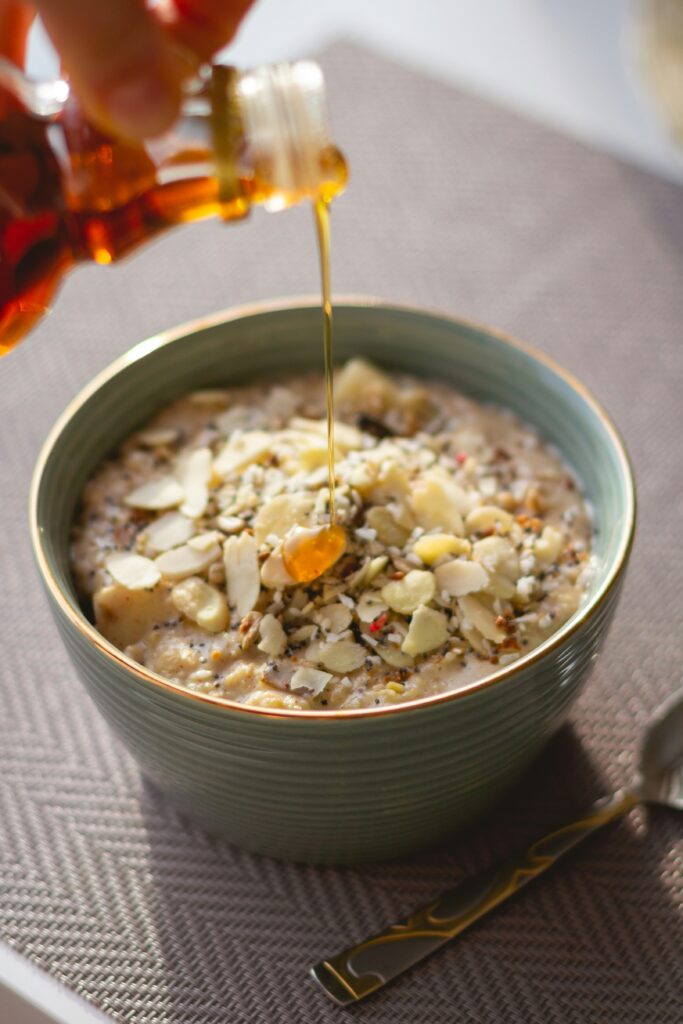
10. Oats: The Modern Twist

  • Protein content: ~6g per cooked cup
  • Why it matters: Though not traditionally Indian, oats have found their place in urban kitchens. They’re versatile and pair well with Indian spices.
  • How to use: Oats khichdi, masala oats, or savory breakfast bowls.
  • Unique angle: Oats are the bridge between tradition and modernity—a global grain adapted to Indian flavors.

The Bigger Picture: Combining Proteins for Balance

One important fact about plant-based proteins is that they’re often “incomplete”—missing one or more essential amino acids. But Indian cuisine naturally solves this problem through food combinations:

  • Rice + Dal → Complete protein
  • Rajma + Chawal → Balanced amino acids
  • Idli + Sambar → Protein + fiber + micronutrients

This is why traditional Indian meals are not just tasty—they’re nutritionally smart.

Practical Tips for Everyday Use

  • Budget-friendly swaps: Replace paneer with soy chunks, or eggs with besan chilla.
  • Meal prep hacks: Roast chana and peanuts in bulk for quick snacks.
  • Fusion ideas: Try oats upma, sattu smoothies, or rajma tacos.
  • Bilingual hooks for social media:
    • “Protein ka asli powerhouse ghar ki rasoi mein hai!”
    • “Skip the imported superfoods—embrace desi protein staples.”

Why This Matters Beyond Nutrition

Choosing these affordable protein sources isn’t just about health—it’s about sustainability and culture.

  • Environmental impact: Plant proteins have a lower carbon footprint than animal proteins.
  • Cultural pride: These foods connect us to our roots and traditions.
  • Economic sense: They’re accessible to all income groups, making nutrition inclusive.

Conclusion: Tradition Meets Tomorrow

Protein doesn’t have to be expensive, imported, or complicated. The Indian kitchen is already a treasure chest of vegan protein sources—affordable, versatile, and deeply rooted in culture. By embracing peanuts, sattu, soy chunks, rajma, and more, you’re not just nourishing your body—you’re honoring tradition, supporting sustainability, and proving that health can be simple.

So the next time someone says, “Plant-based diets lack protein,” you’ll know exactly how to answer—with a plate full of desi goodness.

“Sahjan (Drumstick) Soup: 5 Health ka Secret Tonic”:-

Aajkal har koi apni health ko lekar conscious hai. Log gym join karte hain, diet plans follow karte hain, aur supplements lete hain. Lekin kabhi socha hai ki ek simple sa ghar ka soup bhi aapki immunity aur health ke liye ekdum powerful ho sakta hai? Ji haan, baat ho rahi hai drumstick soup ki, jo moringa tree ke pods aur leaves se banta hai. Indian households mein ye soup bahut common hai, especially jab koi bimaar ho ya weight management ki baat ho.

Modern research ab prove kar raha hai ki drumstick soup sirf comfort food nahi hai, balki ek superfood hai jo immunity, digestion, heart health aur blood sugar balance mein madad karta hai. Chaliye detail mein samajhte hain ki ye soup kyun itna khaas hai.

1. Boosts Immunity:-

Sabse pehla reason hai immunity. Drumstick soup mein vitamin C, iron aur antioxidants hote hain jo body ko infections se fight karne mein help karte hain.

  • Regular consumption se cold, cough aur seasonal flu se bachav hota hai.
  • Antioxidants free radicals ko neutralize karte hain, jo ageing aur diseases ke main culprit hote hain.
  • Ghar par banaya drumstick soup ek natural immunity booster hai, bina kisi chemical supplement ke.

2. Supports Heart Health:-

High blood pressure aur heart diseases aajkal common ho gaye hain. Drumstick soup mein potassium aur magnesium hote hain jo blood pressure ko regulate karte hain.

  • Ye arteries ko relax karta hai aur blood flow smooth banata hai.
  • Cholesterol levels ko control karne mein madad karta hai.
  • Regular intake se heart attack aur stroke ka risk kam hota hai.

Indian households mein is soup ko “heart friendly food” maana jata hai, aur ab science bhi is baat ko support karta hai.

3. Manages Blood Sugar Levels :-

Diabetes ek global health issue hai. Drumstick soup mein compounds hote hain jo insulin sensitivity improve karte hain.

  • Ye blood sugar spikes ko control karta hai.
  • Diabetic patients ke liye ye ek safe aur natural option hai.
  • Agar aap apne diet mein drumstick soup include karte ho, to long term mein diabetes management easy ho sakta hai.

4. Improves Digestion:-

Digestive problems jaise acidity, constipation aur bloating har kisi ko kabhi na kabhi hoti hai. Drumstick soup digestion ko smooth banata hai.

  • Isme fiber hota hai jo gut health improve karta hai.
  • Soup light hota hai, easily digestible hai, aur stomach ko calm karta hai.
  • Post illness recovery mein doctors bhi recommend karte hain ki light soups liye jayein, aur drumstick soup ek perfect choice hai.

5. Helps in Weight Management:-

Weight loss journey mein sabse bada challenge hota hai tasty aur healthy food find karna. Drumstick soup dono qualities ko balance karta hai.

  • Low calorie aur high nutrition hota hai.
  • Appetite control karta hai, jisse overeating avoid hoti hai.
  • Regular consumption se metabolism boost hota hai.

Isliye agar aap apna weight manage karna chahte ho, to drumstick soup ko apne diet mein zaroor include karo.

Bonus Benefits :-

Apart from these 5 main reasons, drumstick soup ke aur bhi benefits hain:

  • Skin glow improve karta hai (vitamin A aur antioxidants ki wajah se).
  • Bones strong banata hai (calcium aur iron ki wajah se).
  • Stress aur fatigue kam karta hai.

How to Make Drumstick Soup (Simple Recipe)

Ab baat karte hain ek easy recipe ki jo aap ghar par bana sakte ho.

Ingredients:

  • 4–5 drumsticks (moringa pods)
  • 1 onion (chopped)
  • 2 tomatoes (chopped)
  • 1 tsp ginger‑garlic paste
  • Salt and pepper as per taste
  • 1 tsp turmeric powder
  • 1 tsp cumin seeds
  • Water (4 cups)
  • Optional: coriander leaves for garnish

Method:

  1. Drumsticks ko wash karke pieces mein cut kar lo.
  2. Pressure cooker mein thoda oil garam karo, cumin seeds daalo.
  3. Onion aur ginger‑garlic paste fry karo.
  4. Tomatoes aur turmeric add karo.
  5. Drumsticks aur water daal kar 3–4 whistles tak cook karo.
  6. Soup ko strain karke bowl mein serve karo.
  7. Garnish with coriander leaves.

Ye soup tasty bhi hai aur healthy bhi.

Drumstick Soup in Indian Culture

Indian households mein drumstick soup ko “healing food” maana jata hai. Jab koi bimaar hota hai, to maa ya dadi turant soup banakar serve karti hain. Ye ek tradition hai jo generations se chal raha hai. Ab modern science bhi is tradition ko validate kar raha hai.

Conclusion

Drumstick soup ek simple dish hai jo har ghar mein ban sakti hai. Lekin iske benefits extraordinary hain. Immunity boost karta hai, heart health support karta hai, blood sugar manage karta hai, digestion improve karta hai, aur weight management mein help karta hai.

Isliye isse sirf ek comfort food mat samajhiye. Ye ek superfood hai jo aapki overall health ko transform kar sakta hai. Aaj se apne diet mein drumstick soup include kijiye aur apni health journey ko ek healthy twist dijiye.

New health guidelines for high blood pressure: Don’t ignore even mild high BP:-

High blood pressure, also called hypertension, is often known as the “silent killer.” It quietly damages the body without showing clear symptoms until serious problems appear. For many years, people believed that only very high blood pressure needed treatment. But new health guidelines from experts now say even mild high blood pressure should not be ignored. Early action can save lives, protect the heart and brain, and improve overall health.

What Is Blood Pressure?

Blood pressure is the force of blood pushing against the walls of the arteries. It is measured with two numbers:

  • Systolic pressure (top number): pressure when the heart beats.
  • Diastolic pressure (bottom number): pressure when the heart rests between beats.

Normal blood pressure is less than 120/80 mm Hg. Anything higher can be a warning sign.

Categories of Blood Pressure

The new guidelines divide blood pressure into clear stages:

  • Normal: Less than 120/80 mm Hg
  • Elevated: 120–129 systolic and less than 80 diastolic
  • Stage 1 Hypertension: 130–139 systolic or 80–89 diastolic
  • Stage 2 Hypertension: 140/90 mm Hg or higher

Earlier, doctors often waited until Stage 2 before starting medicines. Now, experts say treatment should begin earlier, even at Stage 1, especially if other health risks are present.

Why Mild High Blood Pressure Matters

Many people think mild high blood pressure is not dangerous. But research shows it can still harm the body. Even small increases in pressure can:

  • Strain the heart
  • Damage blood vessels
  • Increase risk of stroke
  • Lead to kidney problems
  • Speed up memory loss and dementia

Because these problems build slowly, people may not notice until it is too late. That is why early action is so important.

Lifestyle Changes: The First Line of Defense

The new guidelines stress that lifestyle changes are the best way to control blood pressure. Medicines help, but healthy habits are more powerful in the long run. Here are the main recommendations:

1. Reduce Salt

Salt is a major cause of high blood pressure. Packaged foods, fried snacks, and restaurant meals often contain too much salt. Cutting down can make a big difference.

2. Eat More Fruits and Vegetables

Fresh fruits, vegetables, and whole grains provide potassium, fiber, and other nutrients that balance blood pressure.

3. Exercise Regularly

At least 30 minutes of physical activity most days of the week helps keep the heart strong and weight under control.

4. Maintain Healthy Weight

Extra weight puts stress on the heart. Losing even a few kilos can lower blood pressure.

5. Manage Stress

Stress raises blood pressure. Yoga, meditation, breathing exercises, or simply spending time in nature can calm the mind.

6. Limit Alcohol

Too much alcohol increases blood pressure. Moderation is key.

Smarter Tools for Personal Care

Doctors now use new tools like the PREVENT risk calculator. This tool estimates a person’s 10‑ and 30‑year risk of heart disease by looking at blood pressure, cholesterol, diabetes, and even social factors. It helps doctors give personalized advice instead of one‑size‑fits‑all treatment.

When Medicines Are Needed

Lifestyle changes are powerful, but sometimes medicines are necessary. The new guidelines suggest:

  • Starting medicines earlier, even at Stage 1, if risks like diabetes or kidney disease are present.
  • Using two medicines together for very high readings (140/90 mm Hg or above).

Common medicines include ACE inhibitors, ARBs, calcium channel blockers, and diuretics. For people with obesity and type 2 diabetes, newer drugs like GLP‑1 therapies may help in the future.

Special Focus on Women and Pregnancy

High blood pressure during pregnancy is dangerous for both mother and child. Conditions like preeclampsia can cause serious problems. The guidelines recommend:

  • Careful monitoring during pregnancy
  • Timely treatment
  • In some cases, low‑dose aspirin to reduce risk
  • Post‑pregnancy follow‑up, since blood pressure problems can continue after delivery

Why Early Action Protects the Brain

New research shows high blood pressure can speed up memory problems and increase risk of dementia. As life expectancy rises, protecting brain health becomes more important. Early diagnosis and treatment not only prevent heart attacks and strokes but also keep the mind sharp.

The Indian Context

In India, nearly 20 crore people have hypertension. Urban diets high in salt and fried foods, sedentary jobs, and stress are fueling the epidemic. The new guidelines are especially urgent here. Traditional practices like yoga and meditation can play a big role in managing stress and improving health.

Practical Tips for Everyday Life

  • Check blood pressure at home: Affordable monitors make it easy to track numbers.
  • Cook at home: Use less salt and more fresh ingredients.
  • Walk daily: Even short walks help.
  • Sleep well: Poor sleep raises blood pressure.
  • Stay connected: Talking with friends and family reduces stress.

Conclusion

High blood pressure is no longer a problem to ignore until it becomes severe. The new guidelines clearly say: act early, even with mild high BP. Lifestyle changes are the first step, medicines when needed, and personalized care for each person. Prevention, early detection, and treatment protect both heart and brain health.

By following these simple steps, we can reduce the risk of heart attacks, strokes, kidney failure, and dementia. The message is clear: don’t ignore even mild high blood pressure. Small changes today can lead to longer, healthier lives tomorrow.

Exit mobile version