
When we think of Indian superfoods, amla (Indian gooseberry) often tops the list. From grandma’s kitchen remedies to modern wellness blogs, amla is celebrated for its antioxidant power, vitamin C richness, and detoxifying properties. It’s added to juices, pickles, powders, and even trendy smoothies.
But here’s the catch: even the healthiest foods can cause trouble when consumed in excess. Just like too much sunshine can burn the skin, overloading on amla can bring side effects that most people don’t talk about. Let’s explore what happens when “more” isn’t always “better.”
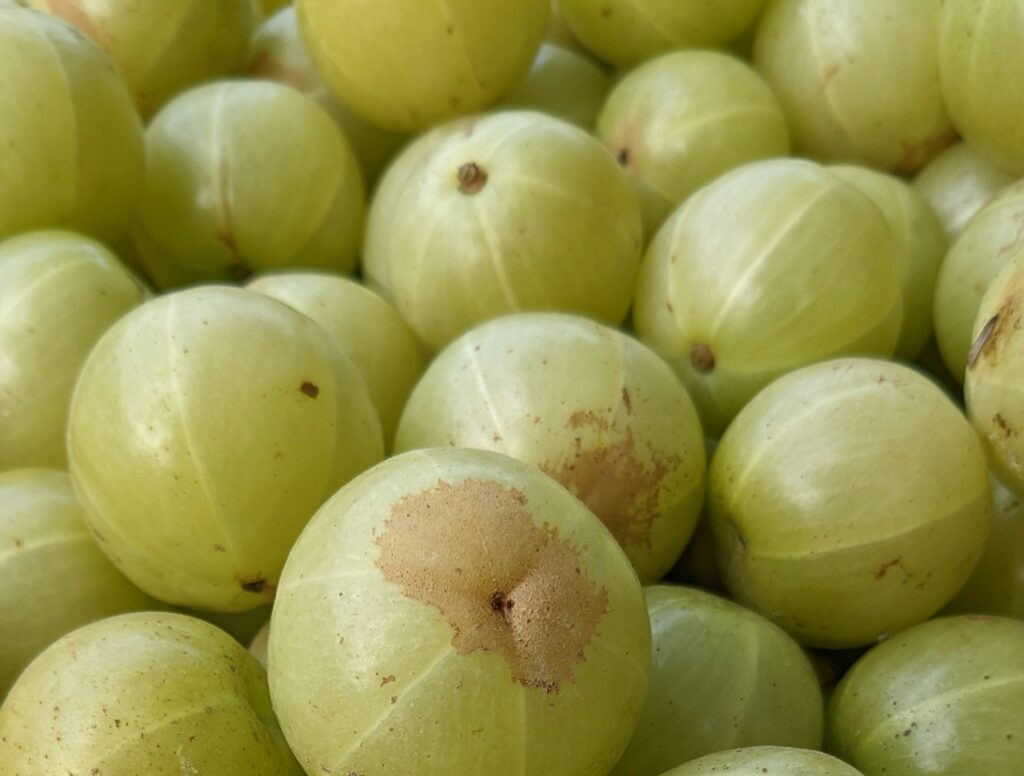
Why Amla Is Loved
Before diving into the downsides, it’s worth remembering why amla is so popular:
- Vitamin C powerhouse: Boosts immunity and skin health.
- Antioxidants: Helps fight free radicals and slows ageing.
- Digestive aid: Traditionally used to improve gut health.
- Hair and skin benefits: Found in oils, shampoos, and face packs.
buy now:- https://amzn.to/47VV6w3
Clearly, amla is a gem. But moderation is the secret to unlocking its benefits without inviting problems.

Side Effect 1: Skin Dryness & Premature Ageing
Ironically, the same antioxidants that help detoxify the body can dry out the skin if taken in excess. People who consume large amounts of raw amla or concentrated amla juice daily sometimes notice:
- Flaky patches
- Loss of natural glow
- Fine lines appearing earlier than expected

Think of it like over‑exfoliating your skin. Amla cleanses, but too much cleansing strips away natural oils.
Tip: Balance amla intake with hydrating foods like cucumbers, coconut water, or aloe vera juice.
Side Effect 2: Digestive Discomfort
Amla is acidic in nature. Overconsumption can lead to:
- Acidity or heartburn
- Upset stomach
- Constipation in some, loose motions in others
It’s a reminder that our digestive system thrives on balance. Amla should complement meals, not overwhelm them.
Tip: Pair amla with warm water or honey to soften its impact on the stomach.

Side Effect 3: Impact on Blood Sugar Levels
Amla is often recommended for people with diabetes because it helps regulate blood sugar. But too much can lower sugar levels excessively, leading to dizziness or weakness.
For those already on medication, this can create complications. Always consult a doctor before making amla a daily high‑dose habit.
Side Effect 4: Interaction with Medications
Amla’s potency can interfere with certain medicines:
- Blood thinners: Amla may increase bleeding risk.
- Diabetes medication: Can amplify sugar‑lowering effects.
- Hypertension drugs: May alter blood pressure balance.
This doesn’t mean you should avoid amla altogether, but it does mean you should be mindful if you’re on regular medication.
Side Effect 5: Over‑Detox Effect
Detox sounds glamorous, but over‑detox can leave the body feeling weak. Amla flushes toxins, but in excess it may:
- Reduce essential nutrients
- Cause fatigue
- Make the body more sensitive to environmental stress
Detox should be gentle, not draining.

How Much Amla Is Enough?
There’s no one‑size‑fits‑all answer, but nutritionists often suggest:
buy now :- https://amzn.to/4qSOO8V
- 1 fresh amla daily (raw or in juice form)
- 1–2 teaspoons of amla powder
- Occasional amla candy or pickle for taste
The key is variety. Rotate amla with other vitamin‑rich foods like oranges, guavas, or leafy greens.
A Balanced Approach
Instead of chasing “superfood miracles,” think of amla as part of a balanced lifestyle:
- Combine with yoga or light exercise.
- Pair with seasonal fruits and vegetables.
- Hydrate well to counter dryness.
- Listen to your body — if you feel discomfort, scale back.
A Story to Remember
Imagine Riya, a young professional who read online that amla juice boosts immunity. Excited, she started drinking two glasses daily. Within weeks, she noticed her skin felt tight and dull, and she often had acidity after meals.
When she reduced her intake to half a glass and added more hydrating foods, her skin regained its glow and her digestion improved.
Her story is a reminder: wellness is about balance, not extremes.
Cultural Wisdom
Indian traditions have always valued moderation. Ayurveda recommends amla as part of Triphala, a blend with haritaki and
more inform:- https://newmobilephoneunder25k.de