

Broccoli is often called a “superfood” because of its rich nutrient profile and powerful health benefits. But did you know that the way you cook broccoli can make a huge difference in how much nutrition your body actually gets? Among all cooking methods—boiling, roasting, stir‑frying—steaming stands out as the best way to preserve broccoli’s nutrients. In this blog, we’ll explore why steaming is superior, what nutrients broccoli offers, how steaming impacts them, and practical tips for making broccoli delicious and healthy.
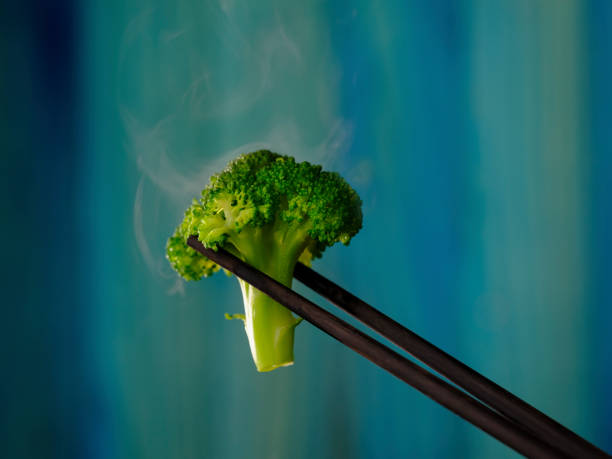
Why Broccoli Is a Superfood
Broccoli belongs to the cruciferous vegetable family, which also includes cauliflower, kale, and cabbage. It is packed with:
- Vitamin C – boosts immunity and skin health.
- Vitamin K – supports bone strength and blood clotting.
- Folate – essential for cell growth and repair.
- Potassium – helps regulate blood pressure.
- Fiber – improves digestion and controls blood sugar.
- Glucosinolates – plant compounds linked to cancer prevention.
- Sulforaphane – a powerful antioxidant that supports detoxification.
These nutrients make broccoli a powerhouse for overall wellness. But cooking can either protect or destroy them.
How Cooking Affects Nutrients
Cooking changes the chemical structure of vitamins and plant compounds. Heat, water, and time are the three main factors:
- Heat can break down sensitive vitamins like vitamin C.
- Water can leach nutrients out of vegetables when boiling.
- Time matters because longer cooking means more nutrient loss.
That’s why steaming is considered the most balanced method—it uses gentle heat, minimal water, and short cooking time.
Steaming vs. Other Cooking Methods
| Aspect | Steaming | Boiling | Roasting |
|---|---|---|---|
| Vitamin C retention | High | Low | Moderate |
| Glucosinolates | High | Low | Moderate |
| Sulforaphane | Preserved | Destroyed | Partially preserved |
| Water exposure | Minimal | Extensive | None |
| Heat intensity | Moderate | High | High |
| Colour retention | Bright green | Dull | Golden brown |
| Added fat | None | None | Usually yes |
| Overall nutrition | Highest | Lowest | Moderate |
Conclusion: Steaming clearly wins when it comes to nutrient preservation.
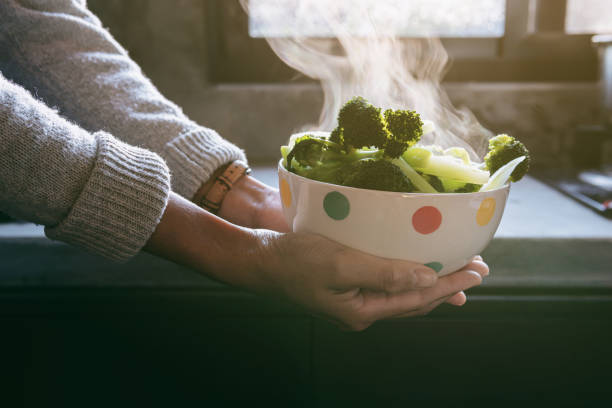
Health Benefits of Steamed Broccoli
1. Stronger Immunity
Vitamin C in steamed broccoli helps fight infections, supports wound healing, and keeps skin healthy.
2. Cancer Prevention Potential
Glucosinolates and sulforaphane are linked to reduced risk of certain cancers. Steaming preserves these compounds better than boiling.
3. Heart Health
Potassium and fiber in broccoli help regulate blood pressure and cholesterol. Steaming keeps these nutrients intact.
4. Better Digestion
Fiber supports gut health, prevents constipation, and balances blood sugar. Steaming softens broccoli without destroying fiber.
5. Anti‑Inflammatory Effects
Broccoli contains antioxidants that reduce inflammation. Steaming protects these compounds, making broccoli a natural anti‑inflammatory food.
“Nipah Virus Ki Warning Bell – Symptoms, Spread Aur Prevention””
Practical Tips for Steaming Broccoli
- Cut evenly: Slice florets into similar sizes so they cook uniformly.
- Use a steamer basket: Place broccoli above boiling water, not in it.
- Keep lid closed: This traps steam and cooks broccoli quickly.
- Cook for 5–7 minutes: Stop when broccoli is bright green and tender‑crisp.
- Serve immediately: Nutrients degrade if broccoli sits too long after cooking.
- Add flavor naturally: Use lemon juice, garlic, or herbs instead of heavy sauces.
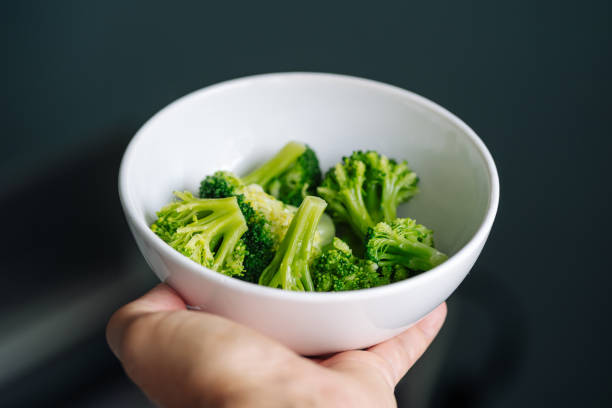
Delicious Ways to Enjoy Steamed Broccoli
- Simple side dish: Toss with olive oil, lemon, and pepper.
- Broccoli salad: Mix steamed broccoli with cherry tomatoes, onions, and light dressing.
- Stir‑fry base: Add steamed broccoli to noodles or rice for extra nutrition.
- Soup booster: Blend steamed broccoli into creamy soups for added fiber.
- Healthy snack: Sprinkle steamed florets with chili flakes for a spicy bite.
Common Mistakes to Avoid
- Overcooking: Leads to mushy texture and nutrient loss.
- Adding too much water: Causes leaching of vitamins.
- Using high heat: Breaks down delicate compounds.
- Skipping seasoning: Makes broccoli bland and less appealing.
Broccoli in Daily Diet
Nutritionists recommend including broccoli 3–4 times a week. Steaming makes it easy to prepare quickly and keeps meals light yet nutrient‑dense.
Conclusion
Steaming broccoli is more than just a cooking method—it’s a way to maximize health benefits while keeping food tasty and vibrant. By steaming, you preserve vitamin C, glucosinolates, sulforaphane, and fiber, all of which contribute to immunity, heart health, cancer prevention, and digestion.
So next time you prepare broccoli, remember: steam it, don’t boil it. Your body will thank you for the extra nutrition, and your taste buds will enjoy the fresh, crisp flavor.
more inform:- newmobilephoneunder25k.de