



The human heart is one of the most hardworking organs in our body. It beats non‑stop, pumping blood and oxygen to every cell. But like any machine, it can face problems if not cared for. One of the most serious issues is blockage in the heart’s blood vessels, also called coronary artery disease. This condition can lead to heart attacks and other life‑threatening problems.
The good news is that the heart often gives us early warning signs before things get worse. Sadly, many people ignore these signals, thinking they are minor or temporary. In this blog, we will discuss the five main warnings that the heart gives before getting blocked. Understanding these signs can save lives.
1. Chest Pain or Pressure
- Chest pain is the most common warning sign.
- It may feel like heaviness, tightness, burning, or pressure in the chest.
- This pain often comes when walking fast, climbing stairs, or doing physical work.
- It may reduce when you rest.
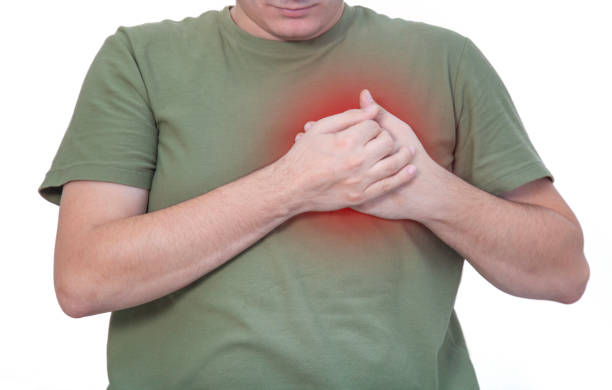
Doctors call this angina. It happens because the heart is not getting enough blood supply. Ignoring chest pain can be dangerous because it may lead to a heart attack.
2. Shortness of Breath
- If you feel breathless even while doing light activities, it can be a warning.
- Walking a short distance, talking, or climbing a few steps may make you feel tired.
- This happens because blocked arteries reduce oxygen supply to the heart.
Many people think breathlessness is due to age or lack of fitness. But if it happens suddenly or regularly, it should not be ignored.

3. Unusual Fatigue
- Feeling tired all the time, even without heavy work, is another sign.
- Women often experience this symptom more than men.
- Fatigue occurs because the heart is struggling to pump blood properly.
If you feel drained of energy, even after good sleep, it may be your heart warning you.
4. Swelling in Feet or Ankles
- Swelling in the lower body can be linked to heart problems.
- When the heart does not pump blood efficiently, fluid collects in tissues.
- This swelling is called edema.
Many people ignore swelling, thinking it is due to standing for long hours. But if it happens regularly, it may be related to heart health.
5. Irregular Heartbeat
- A racing, pounding, or irregular heartbeat can be a warning.
- Sometimes the heart skips beats or beats too fast.
- This condition is called arrhythmia.
It may feel like fluttering in the chest. While stress or caffeine can cause temporary changes, frequent irregular heartbeat should be checked by a doctor.
Why Ignoring These Signs Is Costly
Ignoring these warnings can lead to:
- Heart attack
- Stroke
- Permanent damage to heart muscles
- Expensive medical treatments
- Risk to life
Early detection and treatment are always cheaper and safer than emergency care.
Posted on5 Foods That Can Help Reduce Heart Blockages and Repair Blood Vessels:-
How to Protect Your Heart
Here are some simple lifestyle tips:
- Eat a balanced diet with fruits, vegetables, whole grains, and lean proteins.
- Avoid excess salt, sugar, and fried foods.
- Exercise at least 30 minutes daily (walking, cycling, yoga).
- Quit smoking and limit alcohol.
- Manage stress through meditation, hobbies, or spending time with loved ones.
- Get regular health check‑ups, especially after age 40.
Conclusion
The heart is our lifeline. It gives us clear signals when something is wrong. Chest pain, shortness of breath, fatigue, swelling, and irregular heartbeat are not small issues. They are warnings that should never be ignored.
Listening to your heart and taking timely action can save you from costly treatments and painful experiences. Remember, prevention is always better than cure. Take care of your heart today, and it will take care of you for a lifetime.
more inform;- https://newmobilephoneunder25k.de