


High blood pressure, or hypertension, has become one of the most pressing health challenges of our time. With modern lifestyles dominated by stress, sedentary habits, and processed diets, millions of people are searching for natural ways to keep their blood pressure under control. Walking is often recommended as the simplest form of exercise, but what if you don’t enjoy walking, have mobility issues, or simply want variety in your fitness routine? The good news is that there are several effective workouts beyond walking that can help lower blood pressure, strengthen your heart, and improve overall well-being.
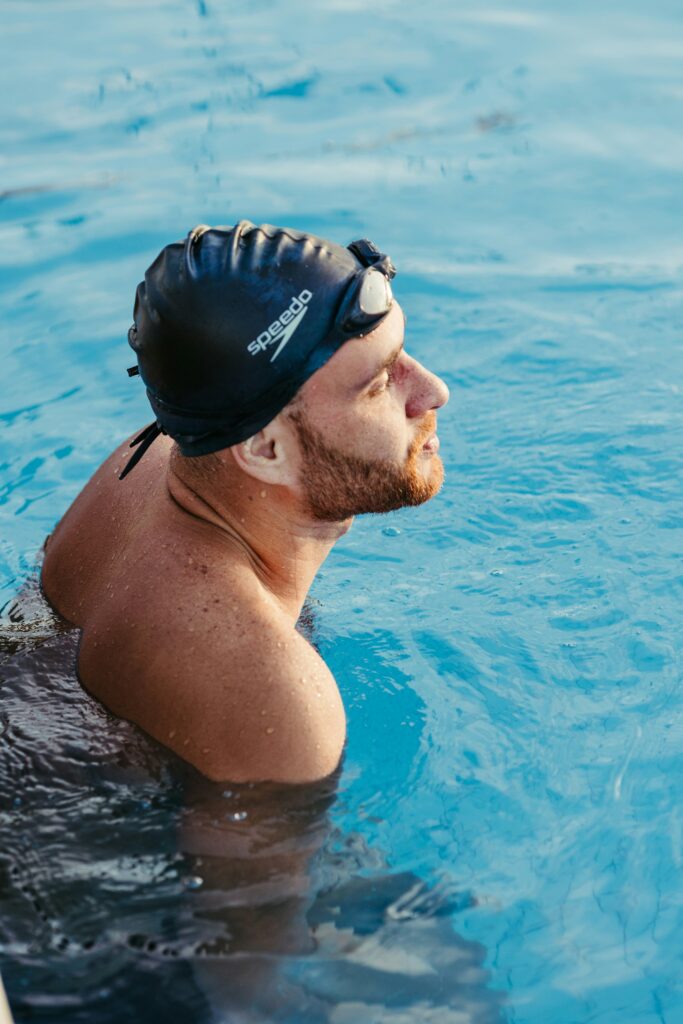
1. Swimming: A Full-Body Cardiovascular Boost
Swimming is often called the “perfect exercise” because it engages almost every muscle group while being gentle on the joints. For people with hypertension, swimming offers:
- Cardiovascular benefits: Improves heart efficiency and circulation.
- Stress reduction: The rhythmic motion and water immersion calm the nervous system.
- Low impact: Ideal for those with arthritis, obesity, or joint pain.
Studies show that regular swimming sessions can lower systolic and diastolic blood pressure by improving vascular flexibility. Even 30 minutes of moderate swimming three times a week can make a noticeable difference.
Tip: Start with simple strokes like freestyle or backstroke, and gradually increase duration.
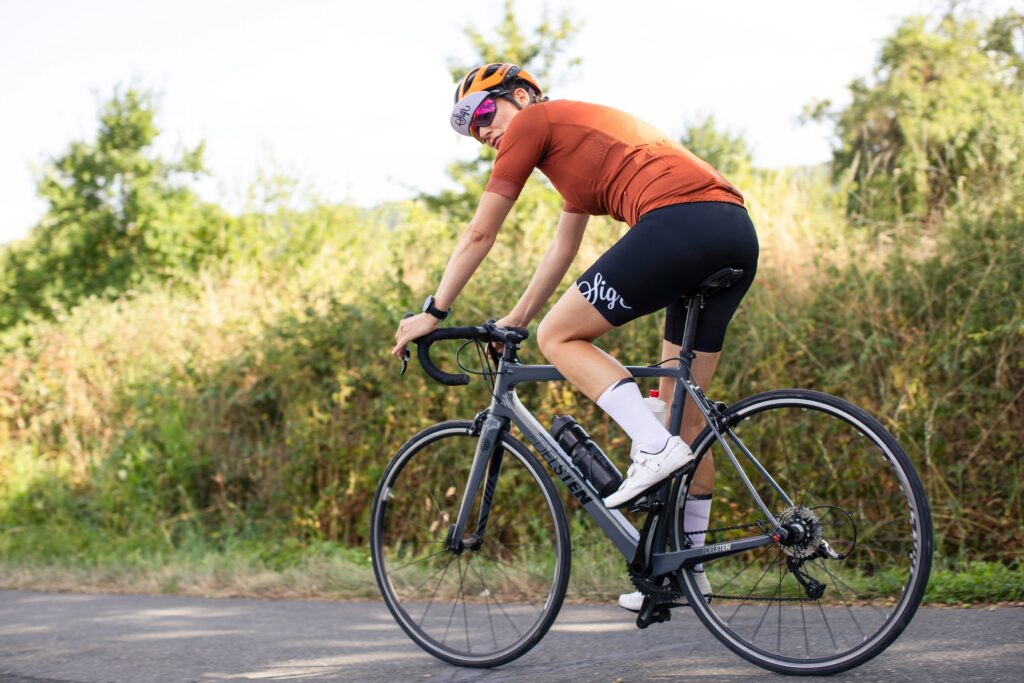
2. Cycling: Pedal Your Way to Heart Health
Cycling, whether outdoors or on a stationary bike, is another excellent workout for reducing blood pressure.
- Improves circulation: Strengthens the heart and lowers resting heart rate.
- Burns calories: Helps maintain a healthy weight, which is crucial for blood pressure control.
- Adaptable intensity: You can choose leisurely rides or structured indoor cycling sessions.
Research suggests that cycling for 20–40 minutes at a moderate pace can significantly reduce hypertension risk.
Tip: If outdoor cycling isn’t possible, invest in a stationary bike and make it part of your daily routine.
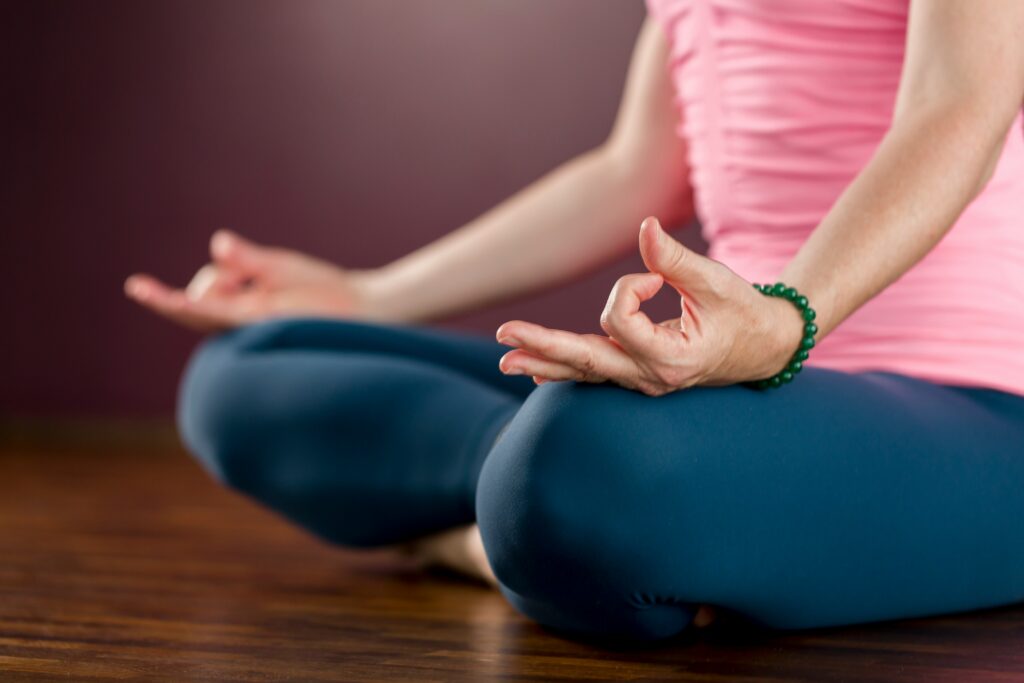
3. Yoga: Mind-Body Harmony for Hypertension
Yoga is more than stretching—it’s a holistic practice that combines physical postures, breathing techniques, and meditation. For blood pressure management, yoga is particularly powerful because:
- Reduces stress hormones: Cortisol and adrenaline spikes are linked to hypertension.
- Improves vascular health: Gentle stretches enhance blood flow.
- Promotes mindfulness: Encourages relaxation and better emotional regulation.
What Happens When You Drink Cumin (Jeera) Water Every Morning?
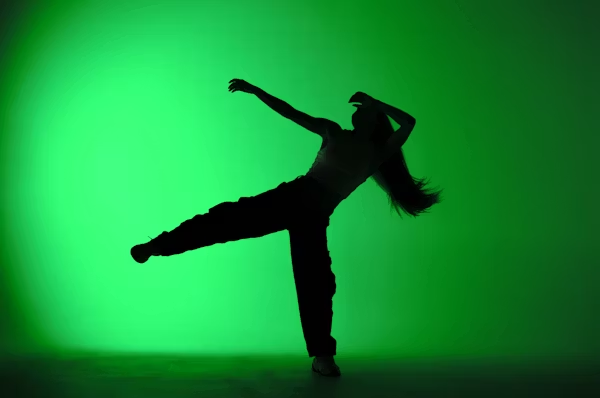
4. Dancing: Fun, Rhythmic, and Heart-Friendly
Who said workouts have to be boring? Dancing is a joyful way to reduce blood pressure while lifting your mood.
- Cardio benefits: Increases heart rate and improves circulation.
- Stress relief: Music and movement reduce anxiety.
- Social connection: Group dance classes add emotional support, which indirectly lowers hypertension risk.
buy now:-https://amzn.to/4pOHVV5
From Zumba to classical dance forms, any rhythmic movement can help.
Tip: Choose music you love and dance for 20–30 minutes daily—it’s exercise disguised as fun.
5. Strength Training: Building Muscles, Supporting the Heart
Strength training isn’t just about building biceps—it plays a vital role in cardiovascular health. Moderate resistance exercises can:
- Improve insulin sensitivity: Reducing risk factors for hypertension.
- Enhance vascular function: Muscles act as reservoirs for glucose and improve circulation.
- Support weight management: Lowering strain on the heart.
Simple exercises like squats, lunges, push-ups, and resistance band workouts can be done at home. The key is to avoid excessive strain and focus on controlled movements.
Tip: Aim for 2–3 strength training sessions per week, with light to moderate weights.
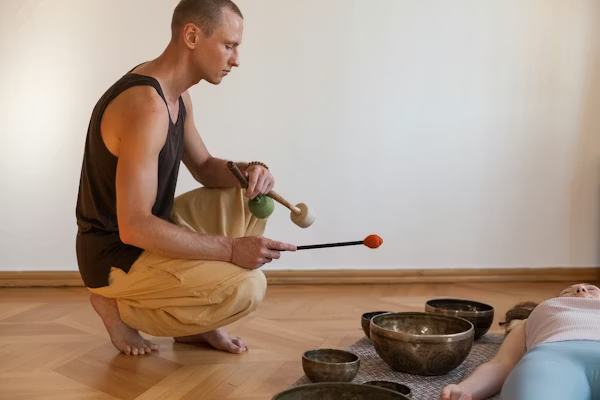
6. Tai Chi: The Art of Gentle Movement
Tai Chi, often described as “meditation in motion,” is a traditional Chinese practice involving slow, flowing movements. It is particularly effective for older adults or those seeking low-intensity workouts.
- Balances the nervous system: Reduces stress-induced spikes in blood pressure.
- Improves flexibility and balance: Prevents falls and enhances mobility.
- Encourages mindfulness: Creates a calm mental state.
Tip: Practice Tai Chi in the morning or evening for 15–20 minutes to maximize relaxation.
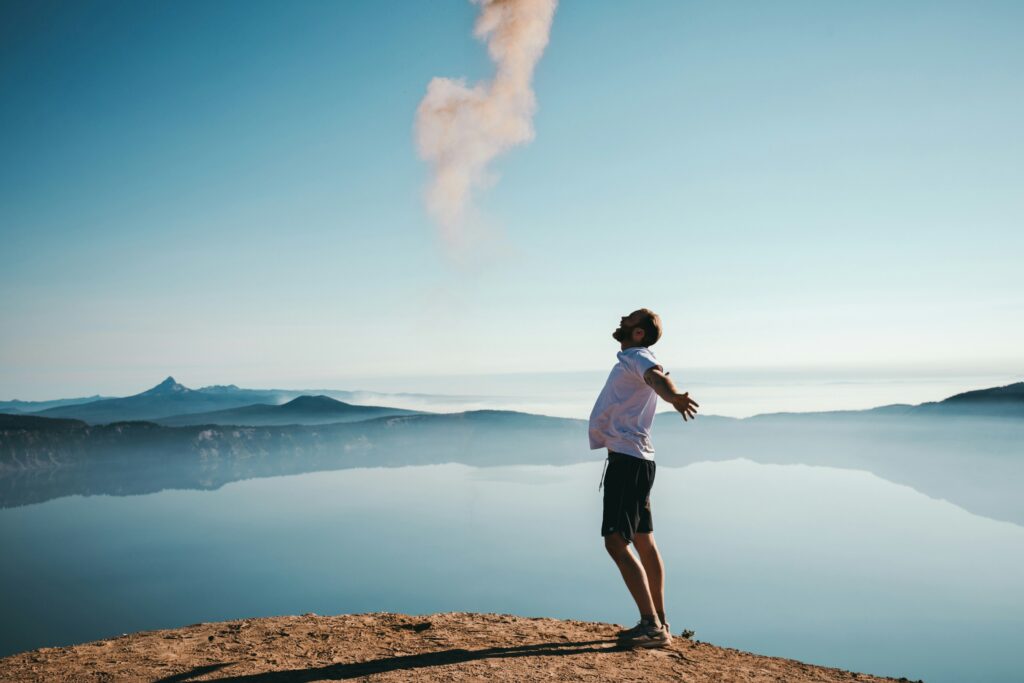
7. Breathing Exercises: Oxygen as Medicine
Sometimes, the simplest practices are the most powerful. Deep breathing exercises can lower blood pressure by calming the autonomic nervous system.
- Diaphragmatic breathing: Expands lungs fully, improving oxygen supply.
- Box breathing: Inhale, hold, exhale, hold—balances heart rhythm.
- Slow breathing: Reduces sympathetic nervous activity.
Tip: Dedicate 10 minutes daily to conscious breathing, preferably in a quiet space.
Lifestyle Integration: Making Workouts a Habit
The effectiveness of these workouts depends less on intensity and more on consistency. Here are ways to integrate them into your lifestyle:
- Set small goals: Start with 10–15 minutes and gradually increase.
- Mix and match: Combine swimming with yoga, or cycling with strength training.
- Track progress: Use apps or journals to monitor blood pressure and workouts.
- Stay motivated: Choose activities you genuinely enjoy.
Why Exercise Works for Hypertension
Exercise helps reduce blood pressure through multiple mechanisms:
- Improves arterial elasticity: Making it easier for blood to flow.
- Reduces stress hormones: Lowering sympathetic nervous system activity.
- Enhances heart efficiency: Reducing workload on the heart.
- Supports weight control: Preventing obesity-related hypertension.
Important Note:-
While these workouts are effective, they are not substitutes for medical treatment. If you have severe hypertension or other health conditions, consult a healthcare professional before starting any new exercise routine.
Conclusion:-
Walking may be the most common recommendation for lowering blood pressure, but it’s far from the only option. Swimming, cycling, yoga, strength training, dancing, Tai Chi, and breathing exercises all provide unique benefits for cardiovascular health. The secret lies in regular practice, mindful movement, and choosing activities that bring joy.
By embracing these workouts, you can not only reduce blood pressure but also cultivate a healthier, more energetic lifestyle—without ever stepping on a treadmill.
more inform :-https://newmobilephoneunder25k.de