



Blood sugar balance is one of the most important aspects of good health. When our glucose levels rise too quickly after meals, we often feel tired, hungry again, or even irritable. Over time, repeated spikes can lead to insulin resistance, type 2 diabetes, and other metabolic problems.
Modern diets filled with refined sugar, white flour, and processed snacks make this problem worse. But the good news is that nature has always provided us with foods that help keep blood sugar steady. Many of these foods have been used for centuries in traditional diets and healing practices. They are rich in fiber, antioxidants, and natural compounds that slow down sugar absorption and improve insulin sensitivity.

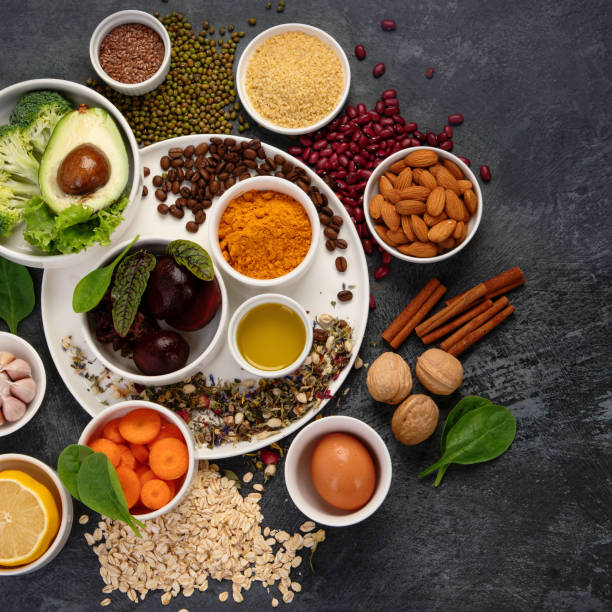
The seven ancient foods that can naturally stabilize blood sugar are
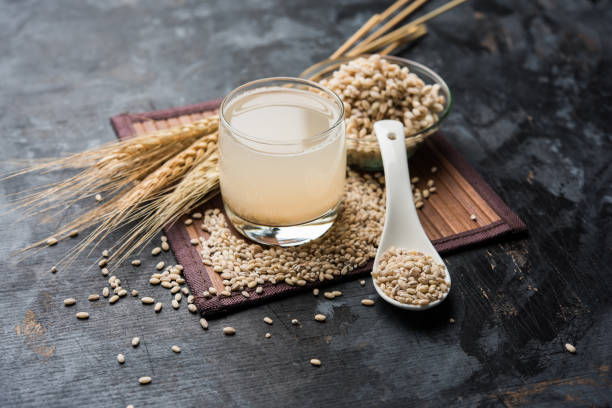
1. Barley
Barley is one of the oldest cultivated grains, dating back to ancient Egypt and Mesopotamia. Unlike refined grains, barley is rich in beta-glucan fiber, which slows glucose absorption.
Benefits:
- Keeps you full for longer.
- Reduces cholesterol along with blood sugar.
- Provides steady energy throughout the day.
How to Use:
- Replace rice with barley in soups or salads.
- Use barley flour in bread or rotis.
- Try barley water, a traditional cooling drink in many cultures.

2. Fenugreek Seeds
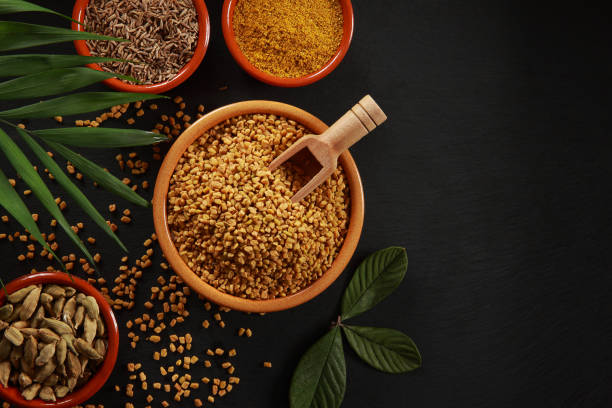
Fenugreek has been used in Indian, Middle Eastern, and Mediterranean cooking for thousands of years. The seeds are slightly bitter but packed with soluble fiber, which slows down carbohydrate digestion.
Benefits:
- Helps reduce post-meal sugar spikes.
- Improves insulin sensitivity.
- Supports digestion and appetite control.
How to Use:
- Soak fenugreek seeds overnight and eat them in the morning.
- Add powdered fenugreek to curries, dals, or bread dough.
- Drink fenugreek tea for a mild, earthy flavor
3. Cinnamon
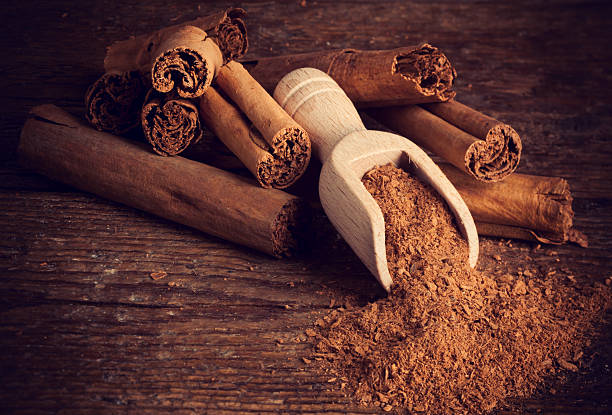
Cinnamon has been treasured since ancient times, even considered more valuable than gold in some eras. Beyond its aroma, cinnamon contains compounds that mimic insulin and improve glucose uptake by cells.
prhealthhub.com
Benefits:
- Lowers fasting blood sugar.
- Improves insulin function.
- Adds natural sweetness without sugar.
How to Use:
- Sprinkle cinnamon on oatmeal, smoothies, or yogurt.
- Add to tea or coffee for flavor.
- Use in baking instead of sugar-heavy flavorings.

4. Chia Seeds
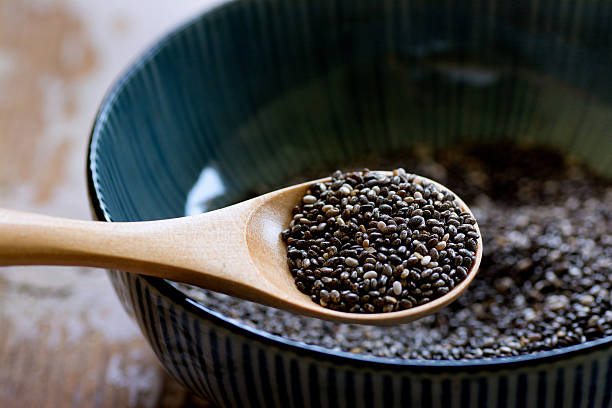
Though small, chia seeds were a staple food of the Aztecs and Mayans. They absorb water and form a gel-like texture, slowing digestion and stabilizing blood sugar.
Benefits:
- Rich in fiber and omega-3 fatty acids.
- Keeps you full and reduces cravings.
- Supports heart and gut health.
How to Use:
- Make chia pudding with milk or plant-based alternatives.
- Add to smoothies, salads, or baked goods.
- Sprinkle on fruit bowls for extra crunch.
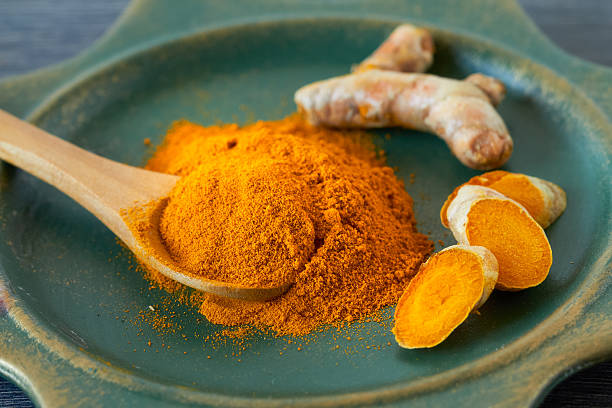
5. Turmeric
Turmeric has been used in Ayurveda and traditional Chinese medicine for centuries. Its active compound, curcumin, reduces inflammation and improves insulin sensitivity.
Benefits:
- Protects against insulin resistance.
- Reduces inflammation linked to diabetes.
- Supports liver and overall metabolic health.
“Mantra Chanting: Mind Ko Heal Karne Ka Scientific Raaz”
How to Use:
- Add turmeric to curries, soups, or rice.
- Drink turmeric milk (golden latte).
- Use turmeric powder in smoothies or teas.
6. Millets
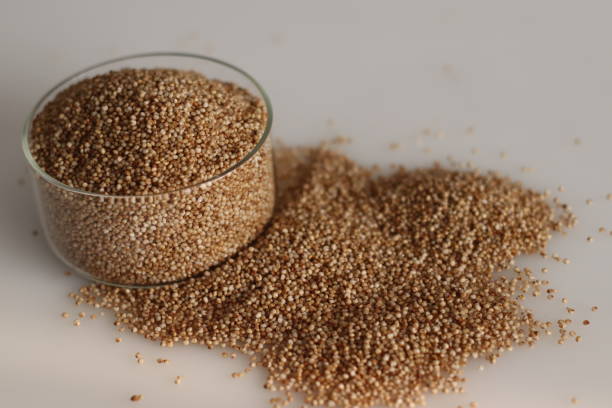
Millets like ragi (finger millet), bajra (pearl millet), and jowar (sorghum) are ancient grains widely consumed in India and Africa. They are gluten-free, high in fiber, and slow to digest.
Benefits:
- Prevent rapid sugar spikes.
- Provide long-lasting energy.
- Rich in minerals like iron and magnesium.
How to Use:
- Replace wheat flour with millet flour in rotis.
- Cook millet porridge for breakfast.
- Use millets in salads or as rice substitutes.
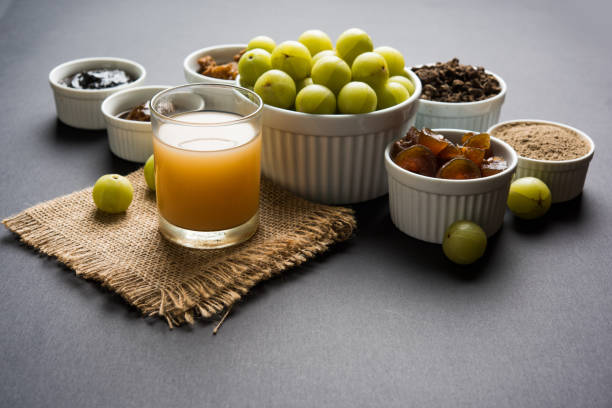
7. Amla (Indian Gooseberry)
Amla has been a cornerstone of Ayurvedic medicine for thousands of years. It is one of the richest sources of vitamin C and has powerful antioxidant properties.
Benefits:
- Improves pancreatic function and insulin secretion.
- Reduces oxidative stress linked to diabetes.
- Strengthens immunity and digestion.
How to Use:
- Eat raw amla with a pinch of salt.
- Drink amla juice in the morning.
- Use dried amla powder in smoothies or teas.
Practical Tips for Daily Life
- Balance meals: Combine complex carbs with protein and fiber-rich foods.
- Avoid refined sugar: Replace with natural sweeteners like dates or jaggery in moderation.
- Stay hydrated: Water helps regulate metabolism and digestion.
- Exercise regularly: Physical activity improves insulin sensitivity.
- Mindful eating: Eat slowly and avoid overeating to prevent sugar spikes.
Conclusion
Ancient wisdom often holds the key to modern health problems. By including fenugreek, barley, cinnamon, chia seeds, turmeric, millets, and amla in your diet, you can naturally stabilize blood sugar and protect yourself from long-term complications.
These foods are not only effective but also affordable, widely available, and versatile. They remind us that health doesn’t always come from expensive supplements or modern inventions—sometimes, the answers are hidden in the traditions of our ancestors.
more inform:- newmobilephoneunder25k.de
[…] “7 Ancient Foods That Naturally Balance Blood Sugar” […]